Electoral integrity is about more than what happens at the ballot box. It is also about who has access to money, who controls technology, who shapes the information citizens receive, and whether people have the civic space to participate freely.
Traditional threats to electoral integrity have not disappeared; election results are still being manipulated in specific contexts. However, new pressures are finding new ways to shape what voters see, believe and ultimately decide — from the information they consume to the money behind political influence, noted Richard Klein of the National Democratic Institute (NDI). That’s why we need to look beyond election day to the broader electoral environment, as Samuel Atuobi of the African Union Commission put it.
And these forces do not operate in isolation. As James Lahai of AfEONet/WAEON explained, “Money buys the technology, technology facilitates money transactions, and money helps erode the civic space that would otherwise expose the money.” When money can buy influence and technology can multiply it, a bigger question emerges: how can we protect elections from these forces?
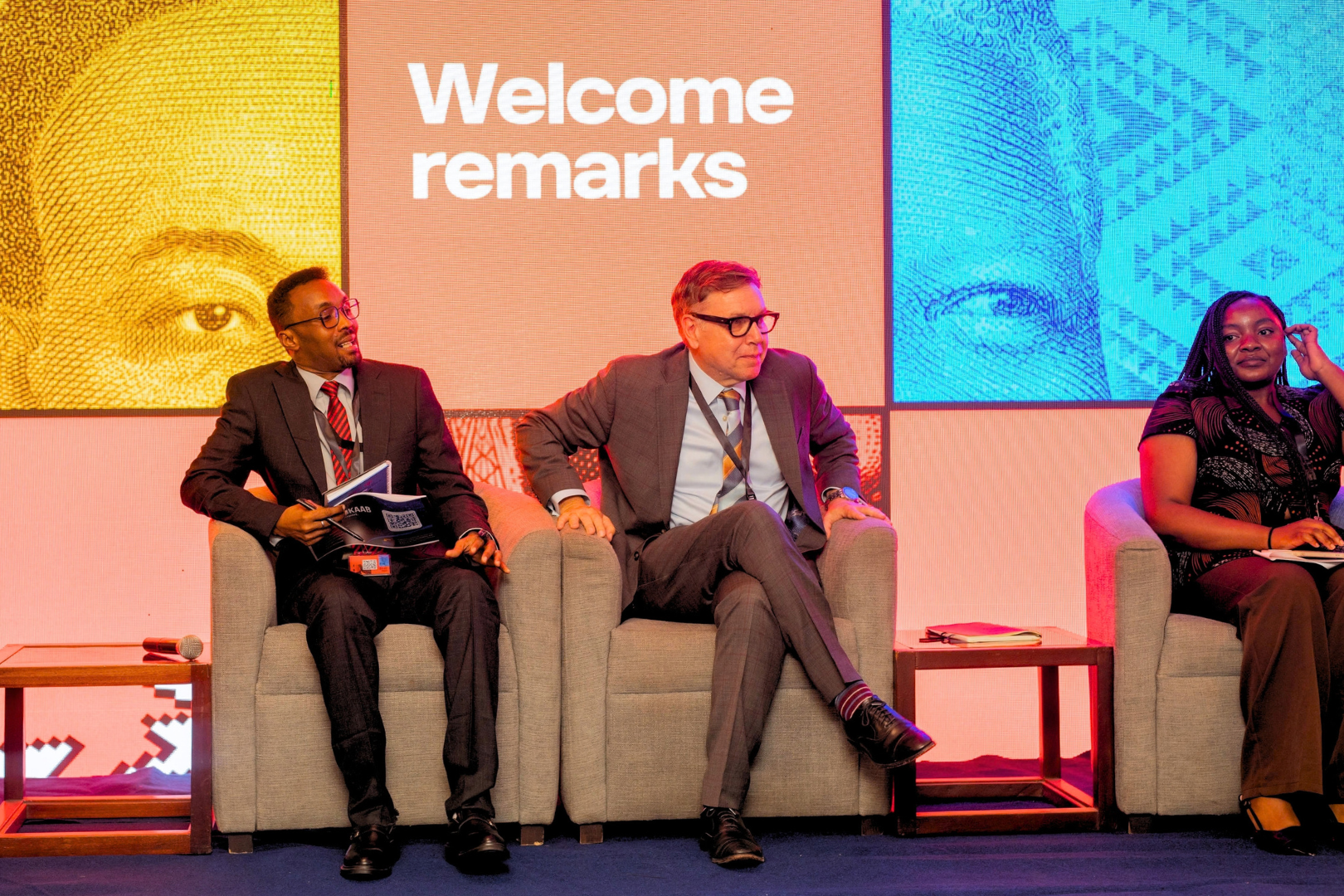
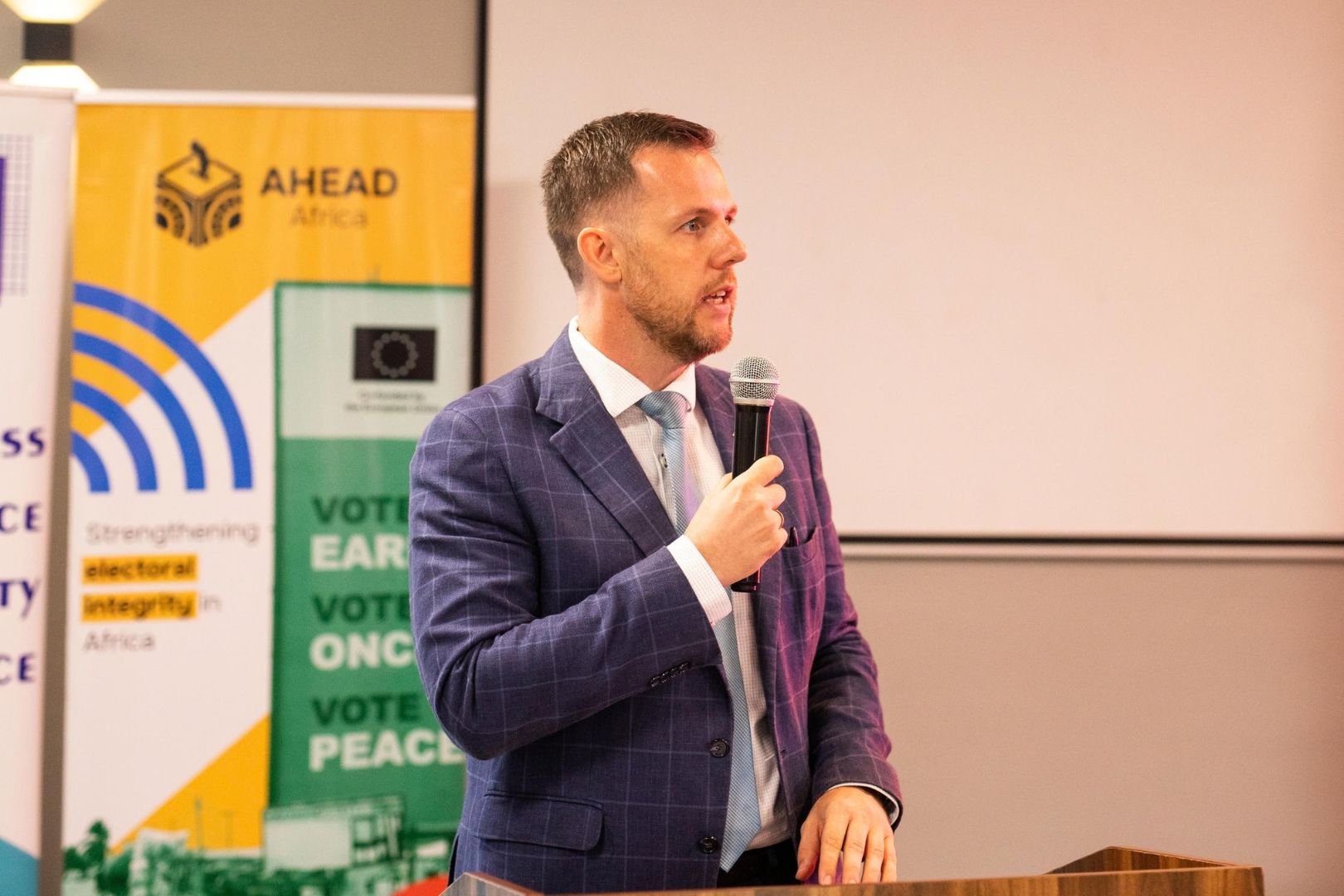
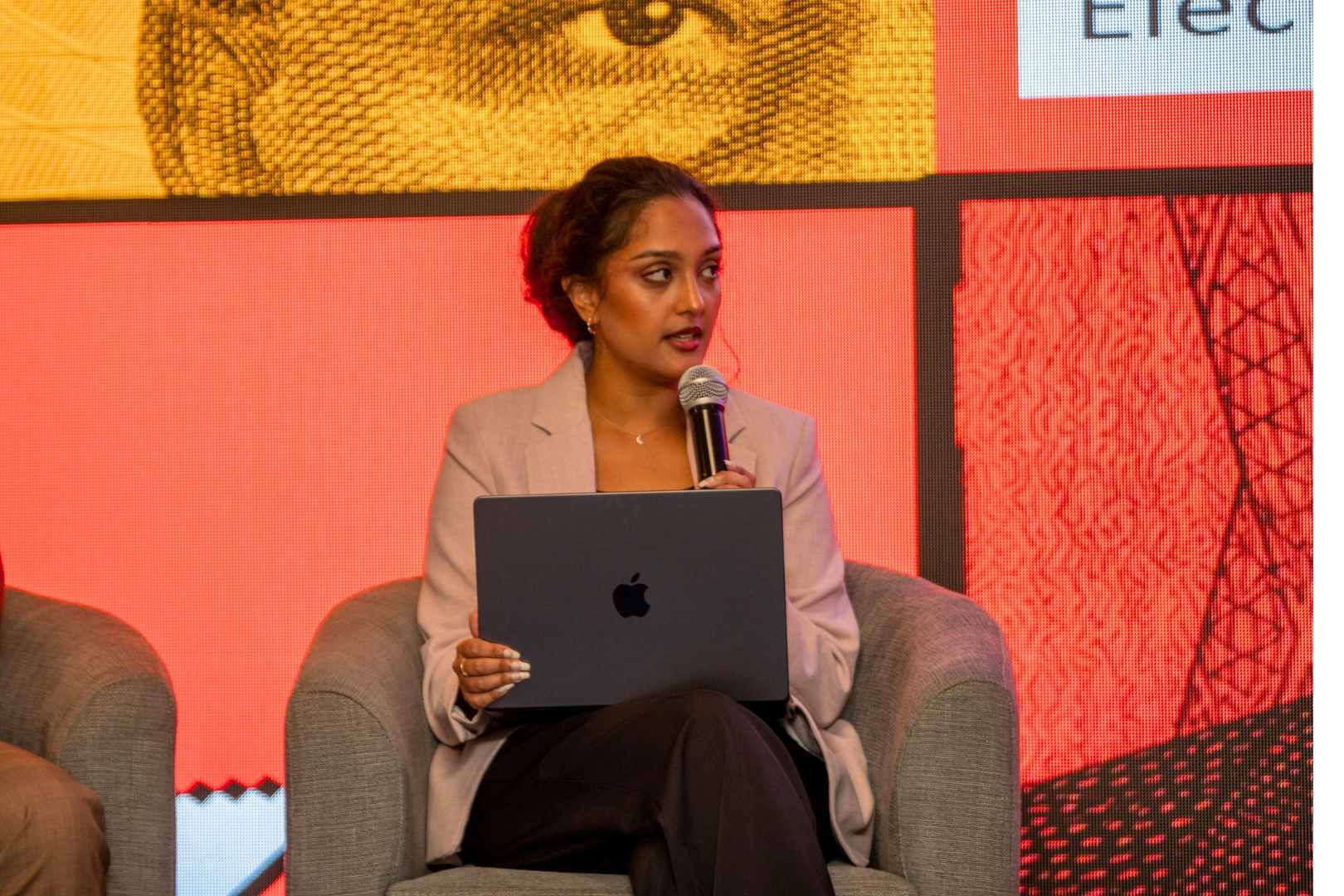
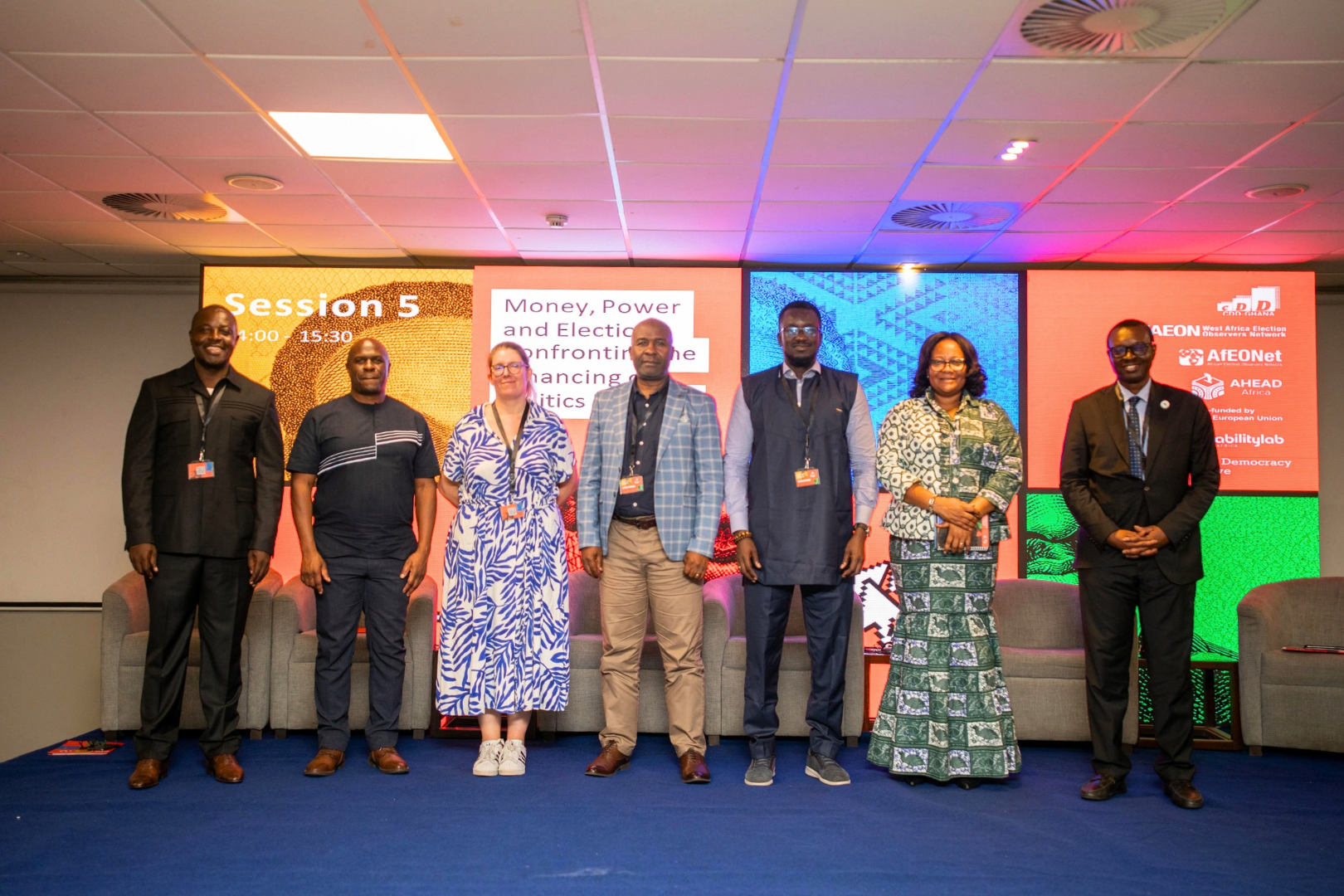
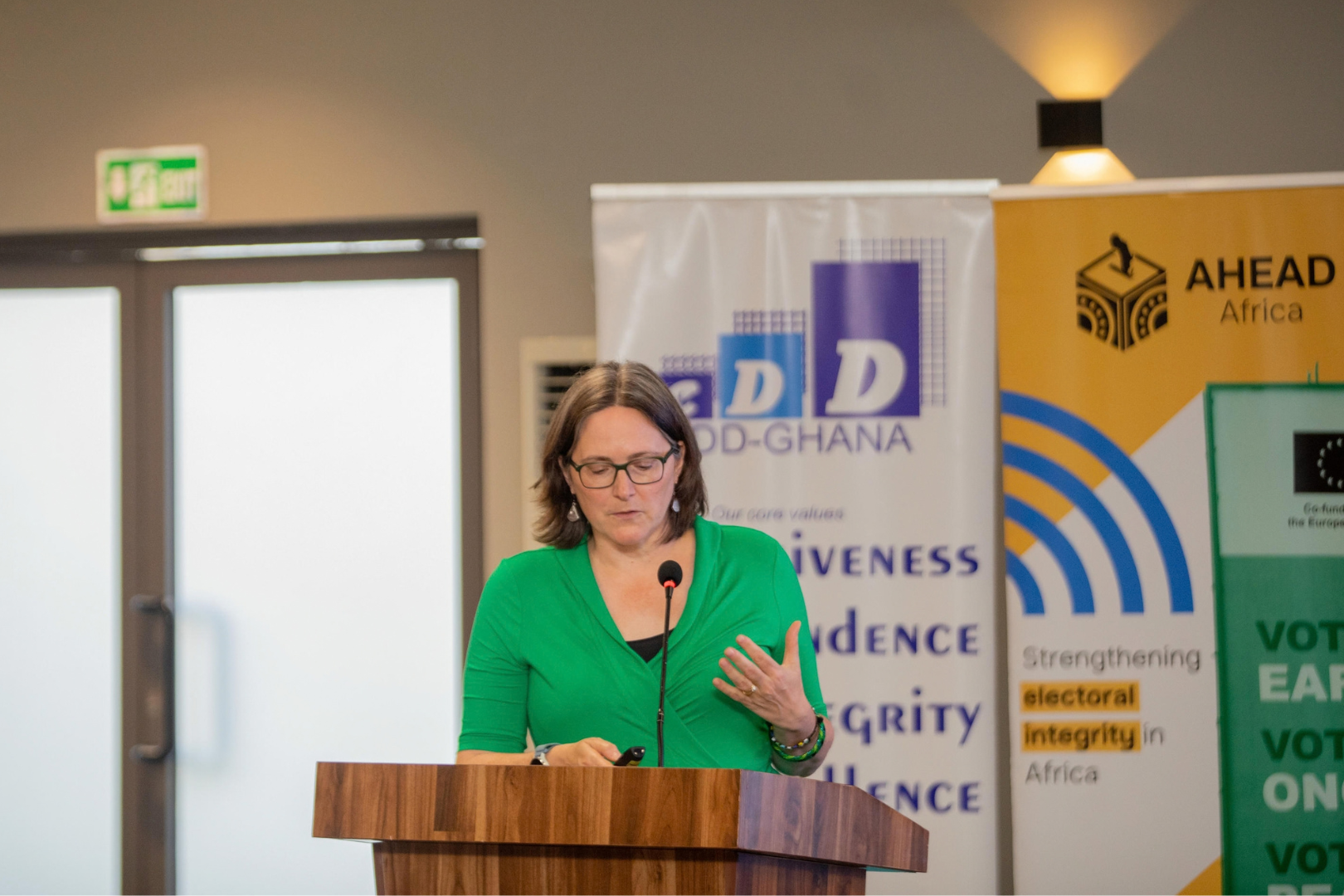
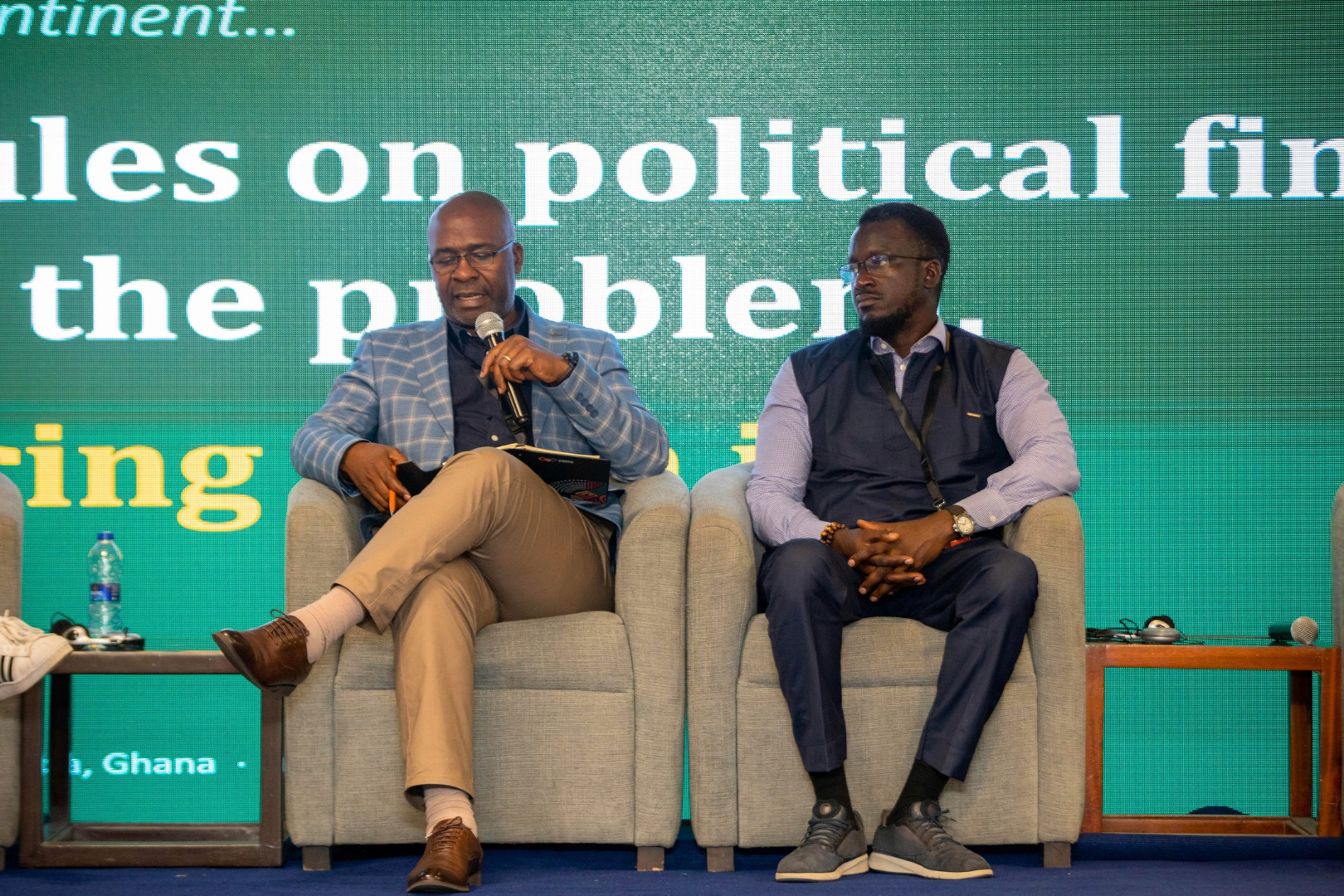
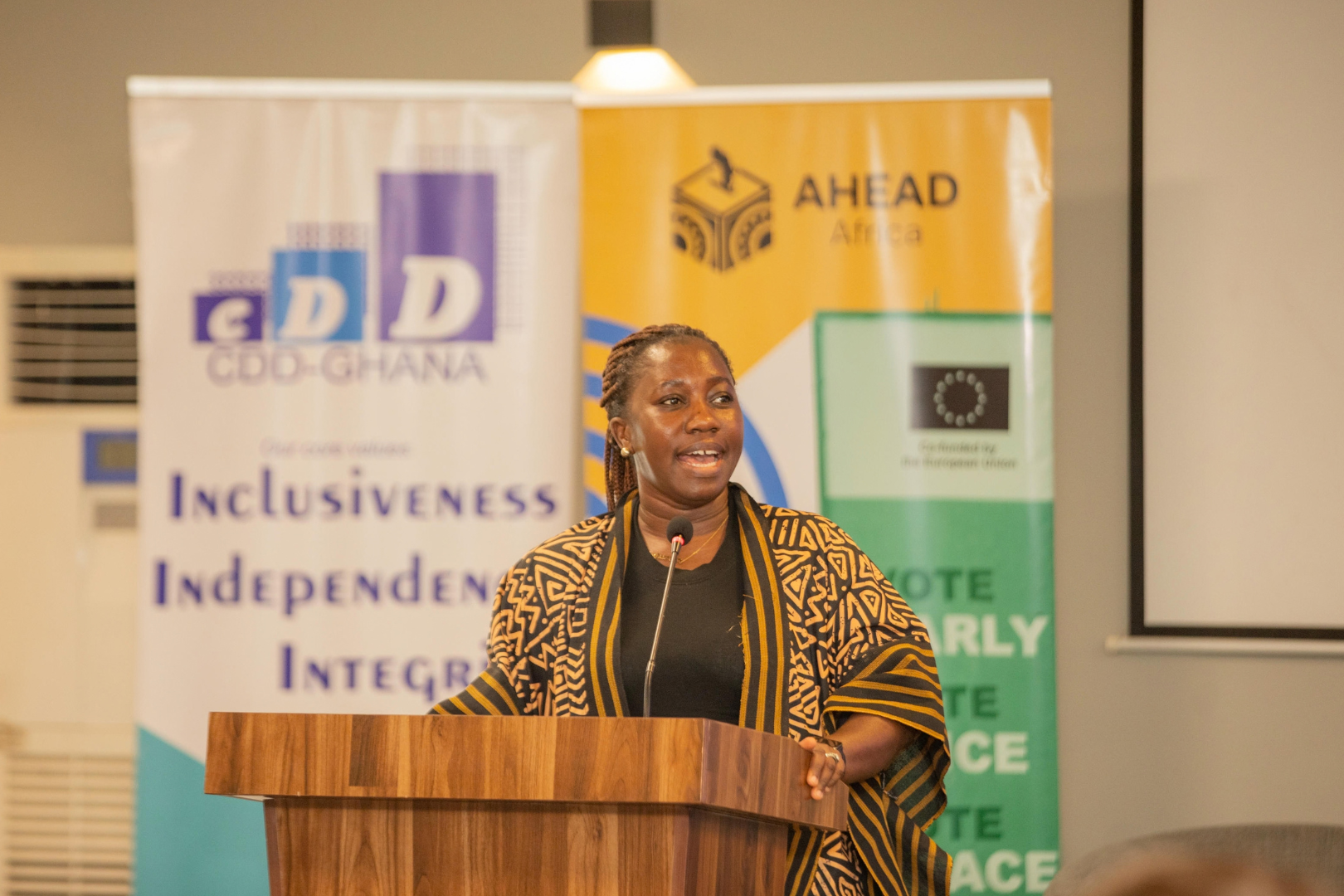
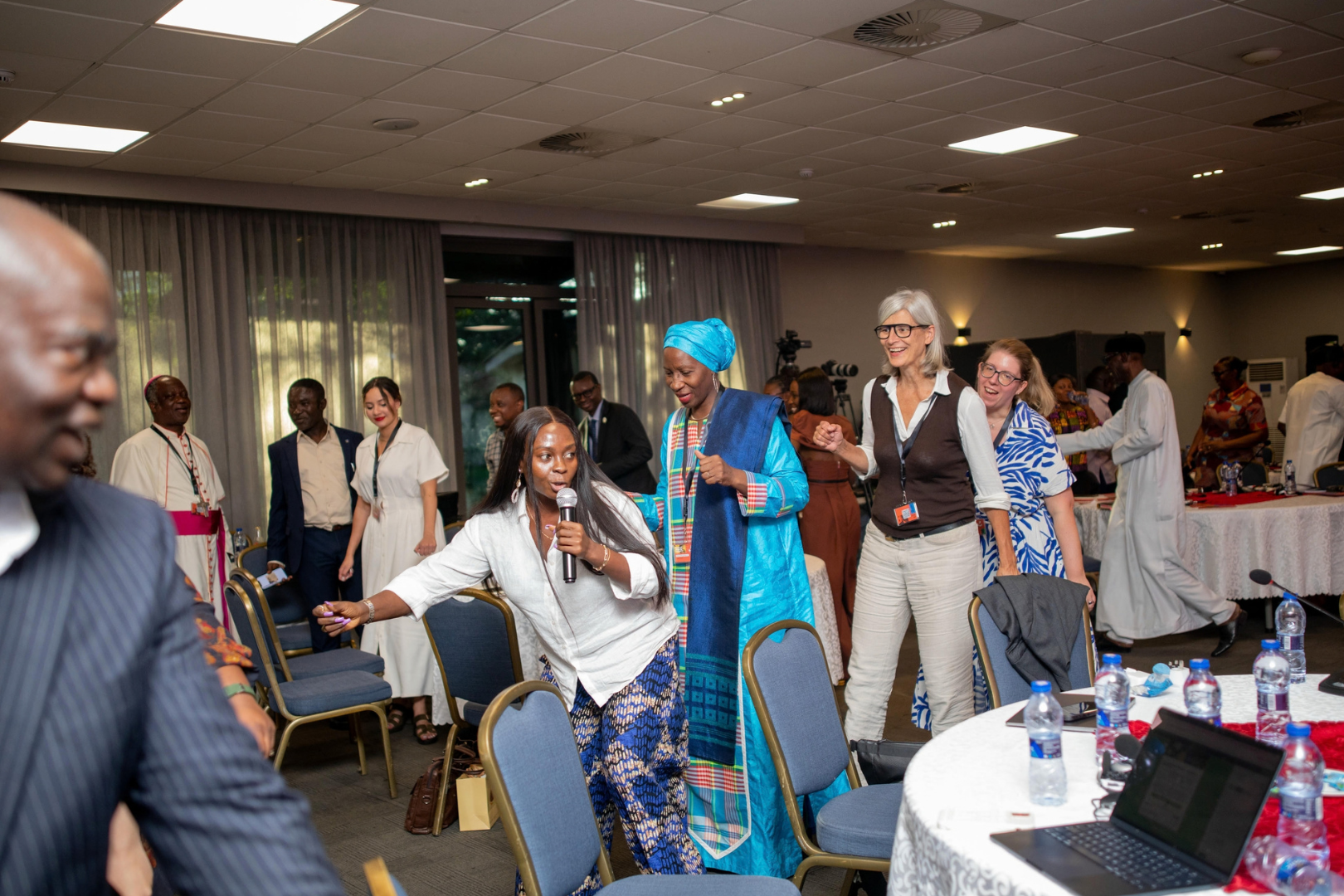
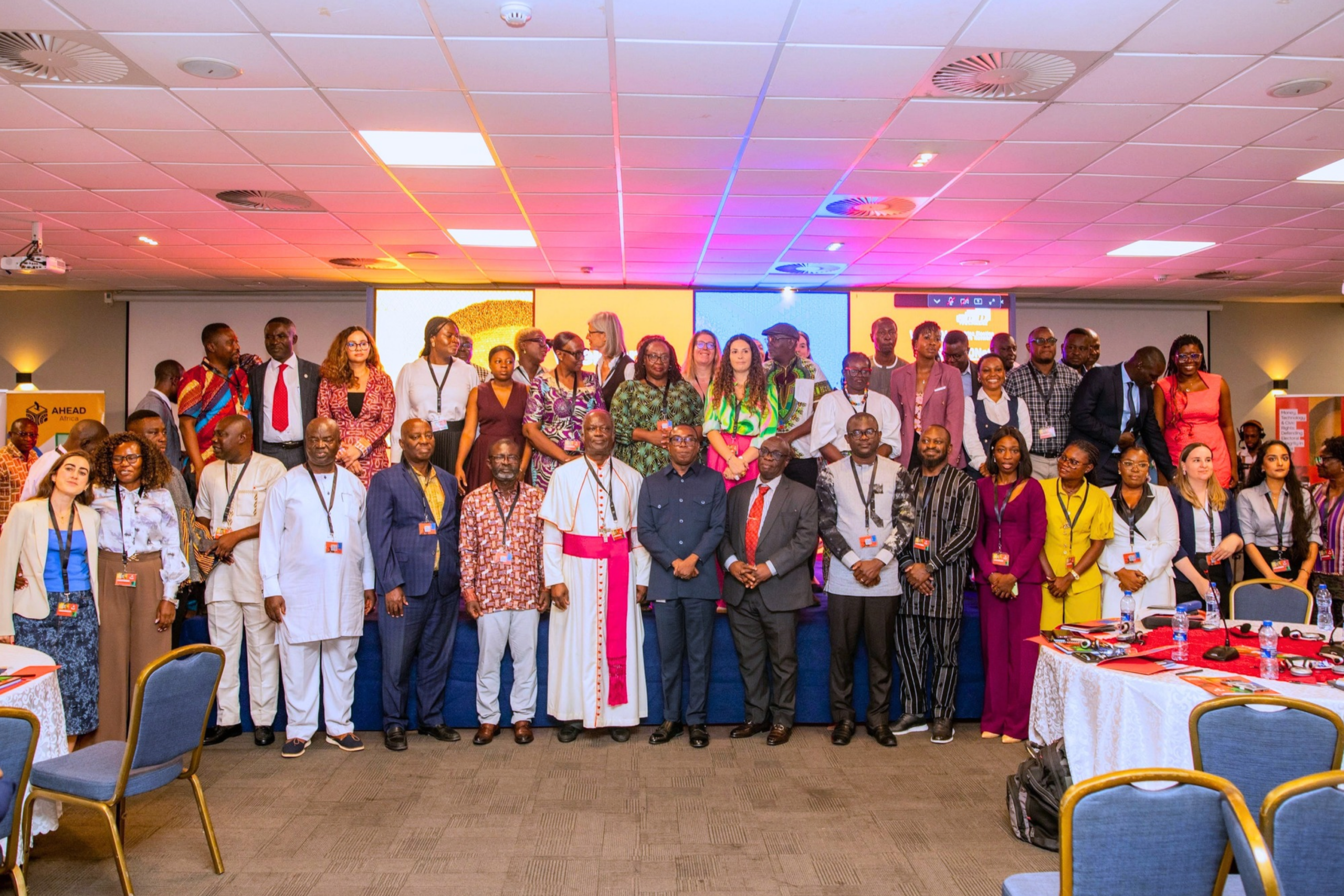
At the third Electoral Integrity Summit, held in Accra on 23–24 September 2026, participants from across Africa, brought together by the Ghana Center for Democratic Development (CDD-Ghana) and the African Election Observation Network (AfEONet) as part of the EU co-funded AHEAD Africa project, came together to grapple with this question.
The political marketplace
Public office should not become a market where power is bought and sold, nor should we accept the belief that individuals or groups of individuals can own states, explained Samson Itodo of Yiaga Africa.
But the commodification of political power is not only a metaphor. Across the continent, participants pointed to the very tangible ways money can shape electoral competition from goods offered to voters to the cost of simply getting onto the ballot.
High nomination fees also shape who gets to enter the political race, particularly young people, noted Nadine Bindey of Association Civic Watch. In Nigeria, high nomination fees have contributed to a decline in youth candidacy, from 27.1% in 2019 to 21.5% in 2023 and 16.5% in 2027, according to Safia Bichi of Yiaga Africa. But money is only part of the barrier. Political participation is also shaped by age requirements and party structures, meaning that removing legal restrictions alone does not guarantee young people a place in the race.
And money does not only determine who gets into the race. It can also shape how candidates compete once they are in it. In Malawi’s 2025 elections, according to Kohnemie M’meta of Accountability Lab East and Southern Africa (ALESA), some politicians offered coffins and mattresses in exchange for votes. This example reflects a broader challenge raised by Henry A. Muguzi of ACFIM Africa: in Africa, there is a culture where the electorate expects parties and candidates to provide something in exchange for their support, and in some cases, voter bribery can be presented as “voter facilitation”. What may be framed as helping a community can therefore become part of an electoral transaction.
Paul Banoba of Transparency International pointed to Uganda’s 2020 elections as an example of just how blurred that boundary can become. Drawing on an ACFIM report, he noted that Uganda had just 178 government ambulances serving the wider population, while MPs collectively had more than 180 ambulances of their own. During the elections, candidates used ambulances as part of their efforts to win communities’ support. For Bishop Emmanuel Kofi Fianu of Ghana’s National Peace Council, the principle should be clear: democracy should never become a market where elections are bought by the highest bidder.
So how can we limit the influence of dirty money? Malick F. of Open Society Foundations pointed to regulated public financing for political parties, alongside grassroots financing that allows people to contribute to what they believe in. Edem Senanu of the African Union Advisory Board Against Corruption also stressed the importance of donor disclosure, realistic contribution and spending ceilings, and publishing political finance data in ways that allow citizens to access and use it. Domesticating UN Resolution 11-7, he argued, would be an important step. But regulation also has to be carefully balanced: lessons from the EU show the risks of over-regulation, noted Zofia Lutkiewicz of the European Platform for Democratic Elections (EPDE). Ultimately, the rules on political financing are rarely the problem; enforcement is, argued Marcus Ageng’a of the East and Horn of Africa Election Observation Network (E-HORN).
The code behind the vote
But money is not the only force reshaping electoral processes. Technology is also changing how people access, participate in and experience elections.
In Ghana, voters can check their registration status via a short code, saving time and travel costs, noted Samuel Dottoh Kwaah of the Electoral Commission of Ghana. In Somalia, the Bareedo Platform, presented by Abdikhayr Mohamed Hussein, is helping young people access electoral information. Digital tools can make elections more accessible, reduce barriers to participation and give citizens new ways to engage.
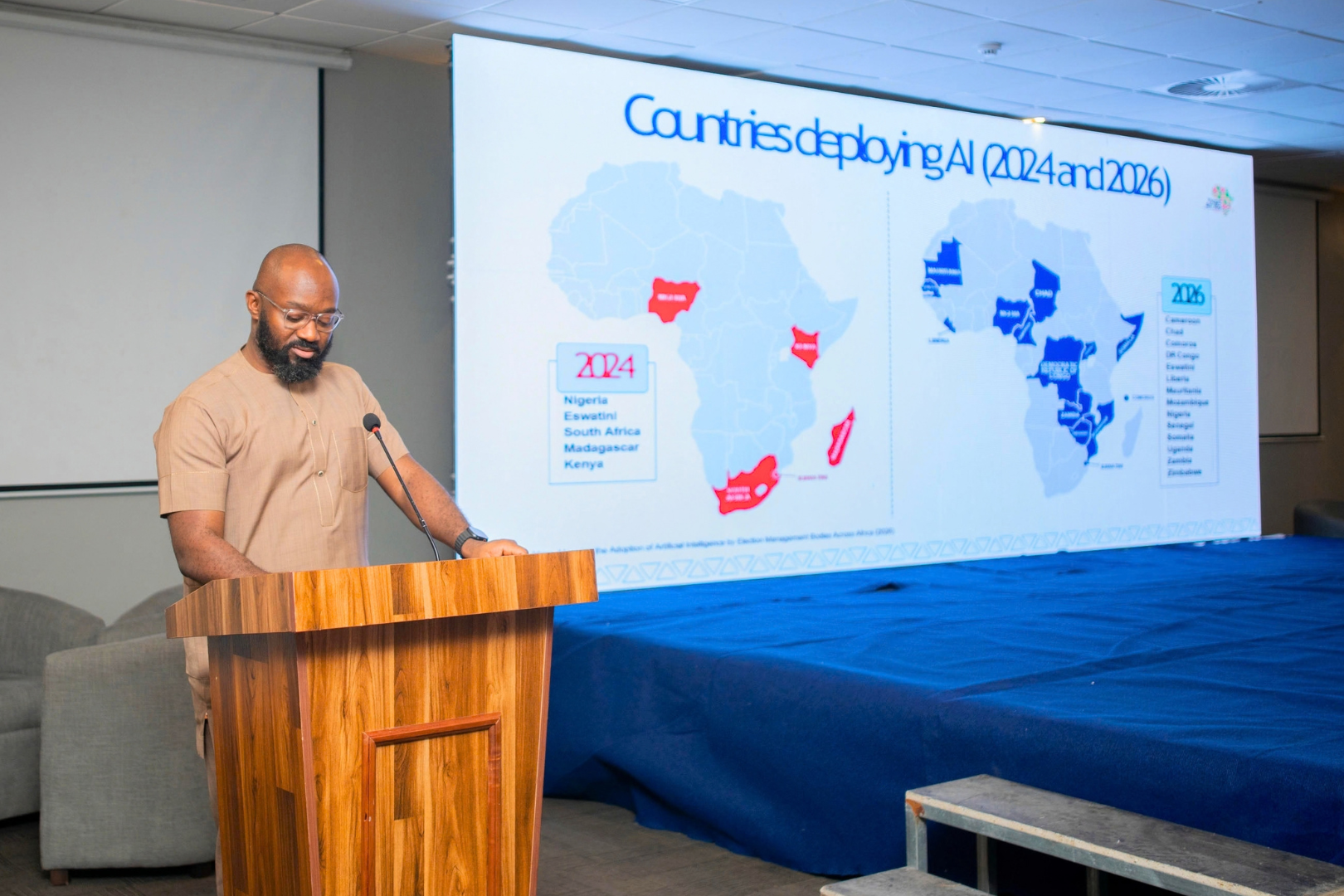
AI is a force multiplier for both good and evil, said Seray M.O. Jah of the International Foundation for Electoral Systems. In the DRC-Rwanda conflict, Rabiu Alhassan of FactSpace West Africa cited examples of AI being used to generate 350 headlines and more than 250 fake accounts. Yet AI can also be used to expand access to electoral information, including through translation, short-form content and chatbots. As Nirali Patel of Code for Africa noted, the response should not focus on AI alone, but also on equipping citizens to question what they see online.
And the threats do not stop at what people see online. The digital space itself can be restricted, raising important questions about rights and participation at a time when Africa is marking 40 years of the African Charter on Human and Peoples’ Rights and 20 years of the African Youth Charter. In Tanzania, more than 100 people reportedly disappeared between 2022 and 2025 over online comments, according to Robert Majige of Accountability Lab Tanzania. In 2025, 12 countries experienced internet shutdowns during election processes. For observers, these disruptions should not only be seen as a challenge, but something that needs to be monitored.
That same technology can also give observers new ways to do their work. In Zambia, the National Democratic Institute (NDI) and Chapter One Foundation used OONI Probe to monitor internet openness, while the Christian Churches Monitoring Group deployed PRVT to verify election results, as Courtney Hess and Peter Mwanangombe respectively explained. Other tools shared at the Summit included The ClarityDesk for election fact-checking in South Sudan, developed by the Excellence Foundation for South Sudan, and Penplusbytes’ Disinformation Detection Platform (DDP) for real-time monitoring of election-related disinformation.
Technology can open doors to information and participation, but it can also close them. It depends on how it is designed, who controls it and whether citizens and observers have the tools to question and monitor its use.
The space to speak
Domestic observers are more than watchdogs; they must be seen as partners, argued Nancy Kankam Kusi of the West Africa Civil Society Institute (WACSI). Their local knowledge, wider networks and long-term presence make them an essential part of the democratic ecosystem, particularly because they remain on the ground long after international observers leave, as Ambassador Rune Skinnebach of the European Union Delegation to Ghana noted.
But that space is not always open. Across the Summit, participants pointed to restrictions on civil society, pressure on observers, barriers to information and the growing use of digital tools to monitor or restrict citizens. When observers cannot access polling stations, when citizens cannot access information, or when speaking out comes at a cost, the ability to scrutinise an election is weakened.
This is why the work of election observers matters: to stay present, document what they see and ensure that the voices of citizens remain part of the electoral process, long before, during and long after election day. But observers cannot work in isolation. The challenges they face may be different in each country, but many are shared — and so are the opportunities to learn from one another, exchange experience and find collective solutions.
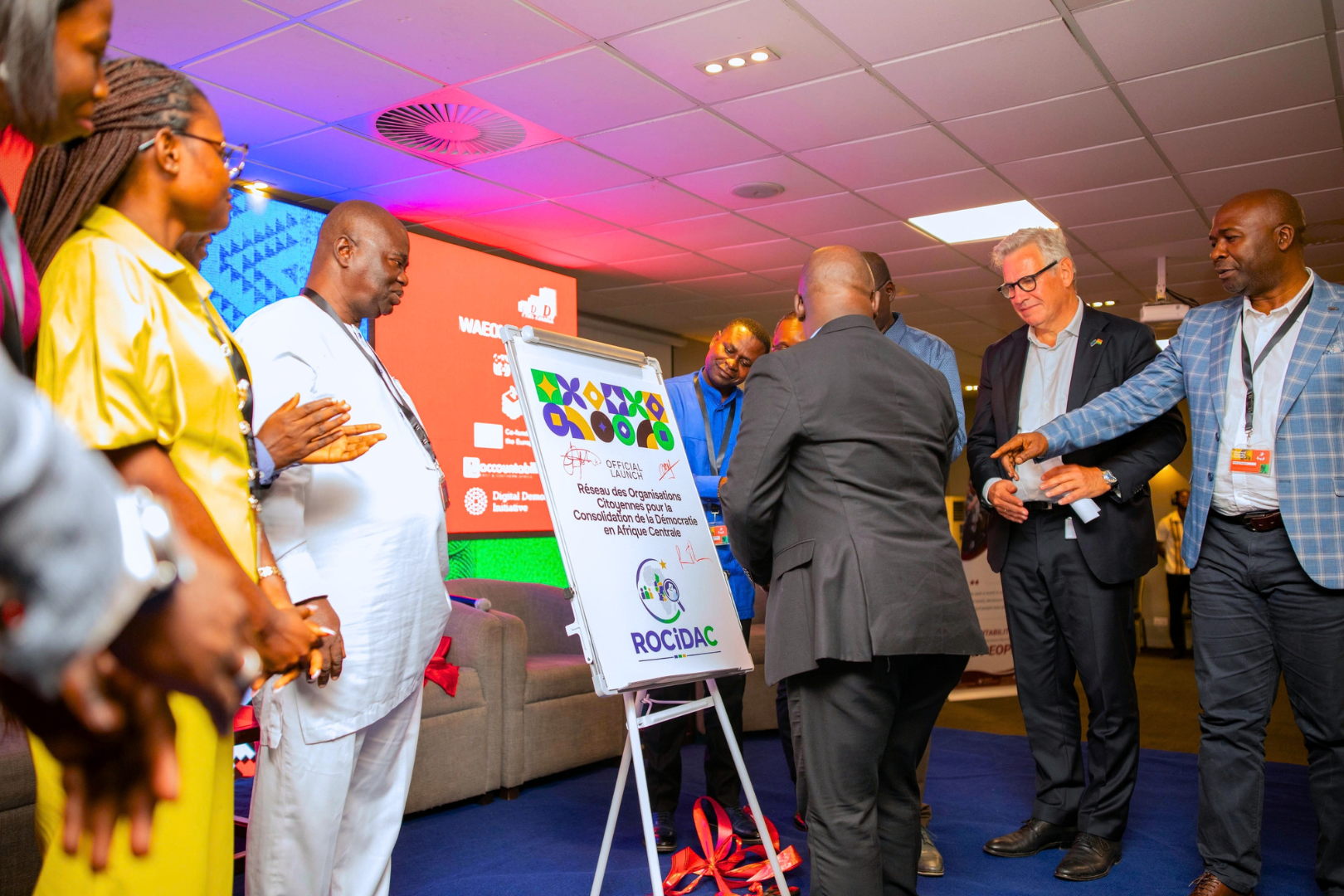
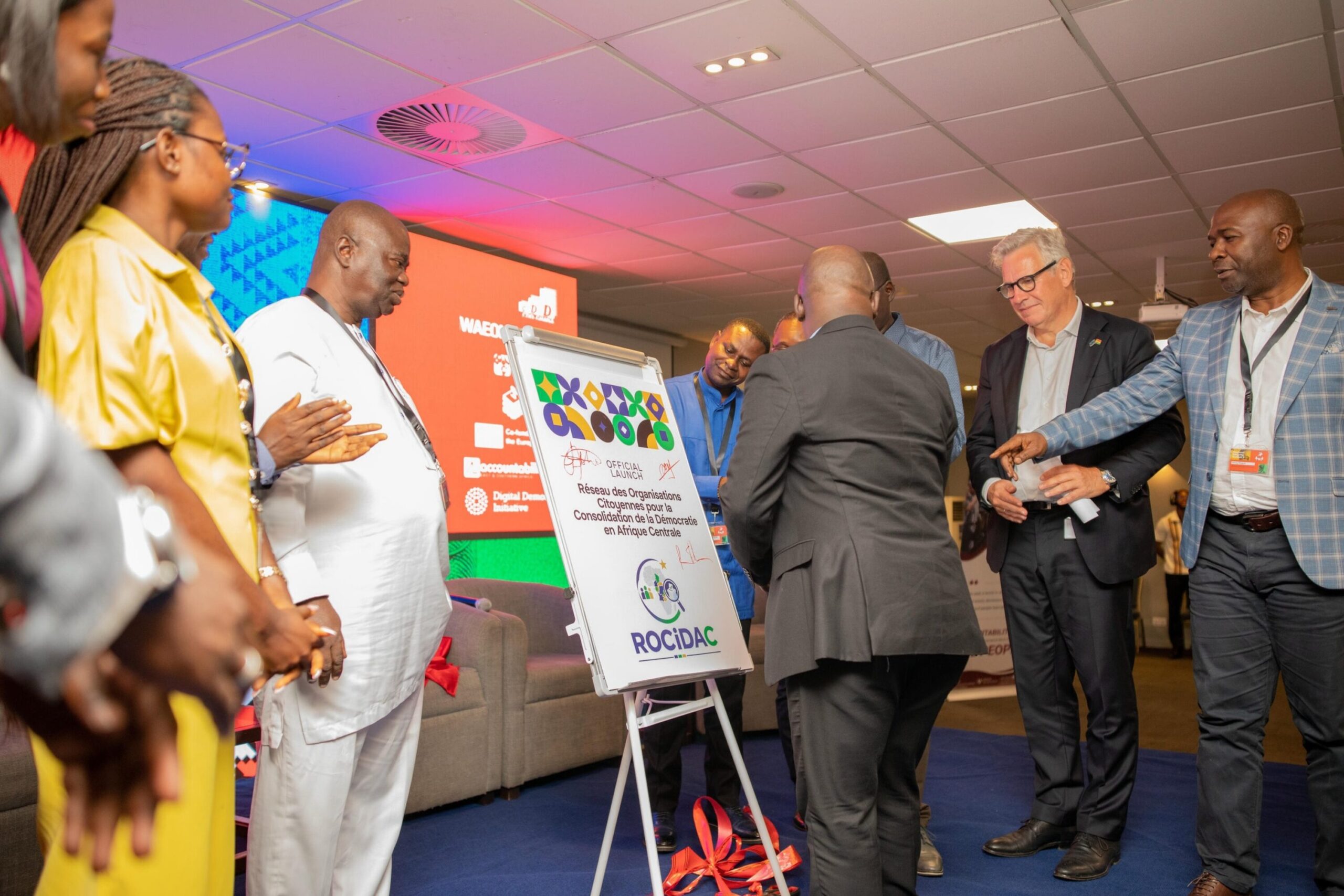
This need for stronger regional cooperation led to the launch of the Network of Civil Society Organisations for the Consolidation of Democracy in Central Africa (ROCiDAC), connecting civil society organisations and election observers across Central Africa to share experiences, strengthen capacity and respond to shared challenges.
Because if electoral integrity extends beyond election day, so must the cooperation that protects it.
Additional resources
Pictures from the Third Electoral Integrity Africa Summit