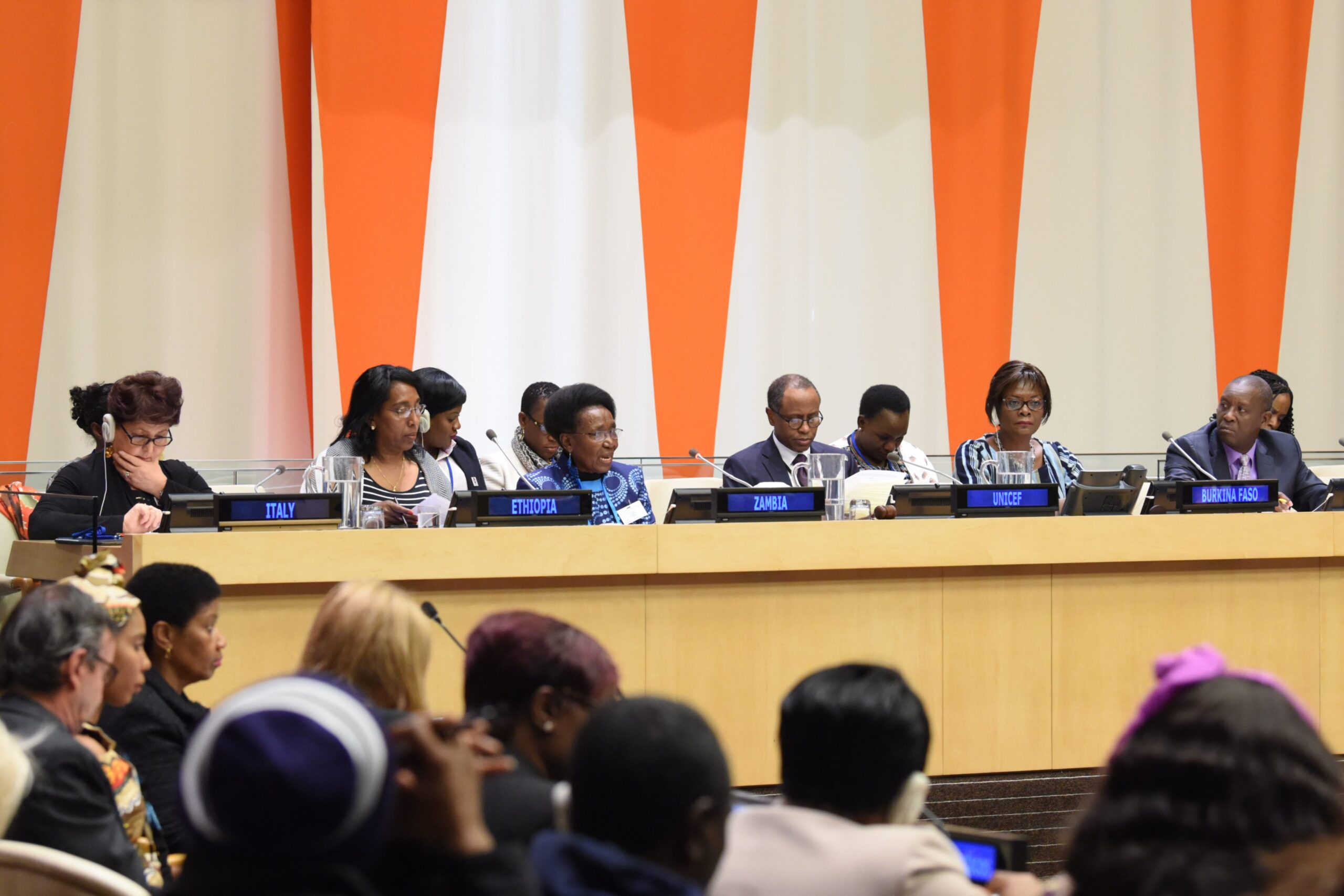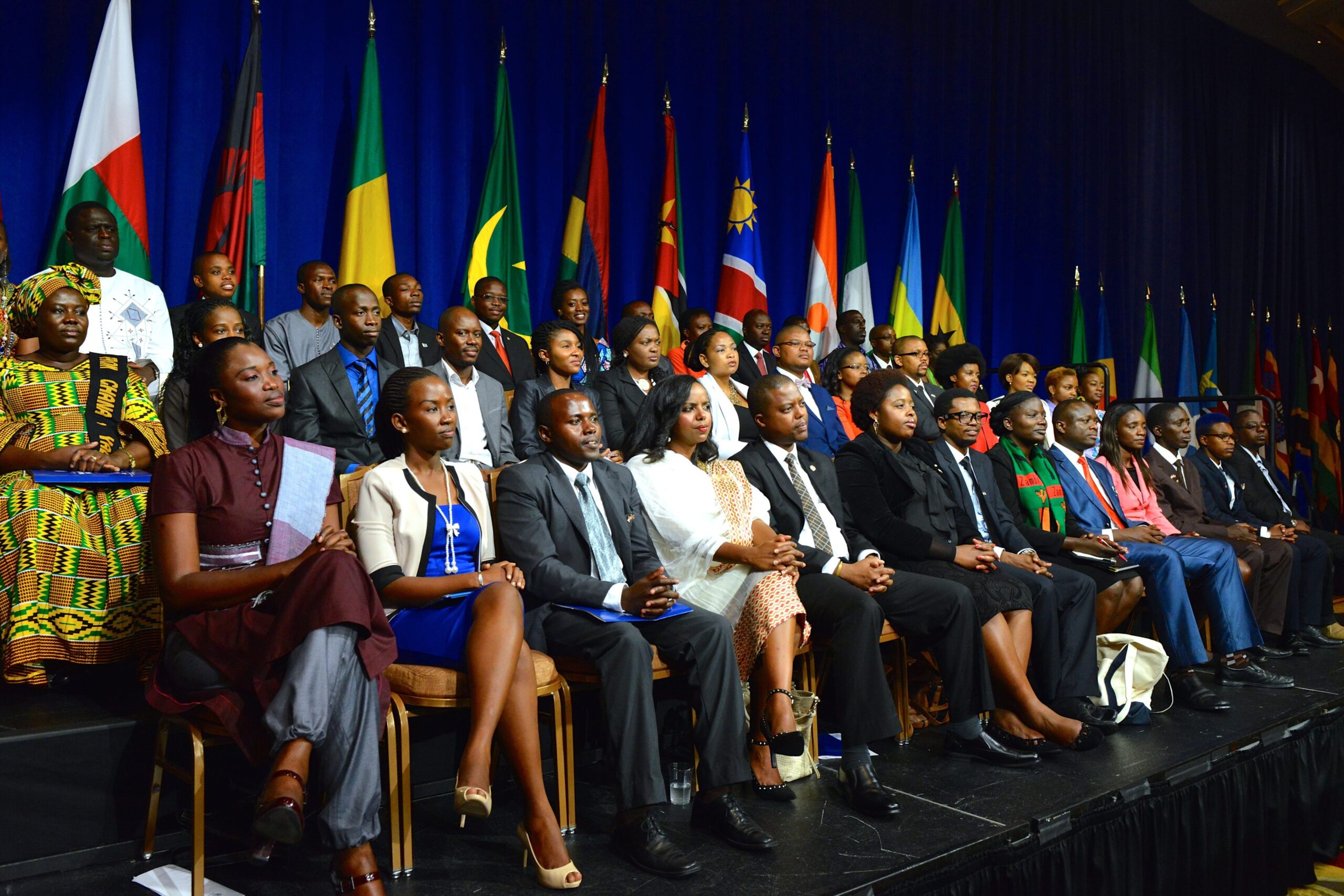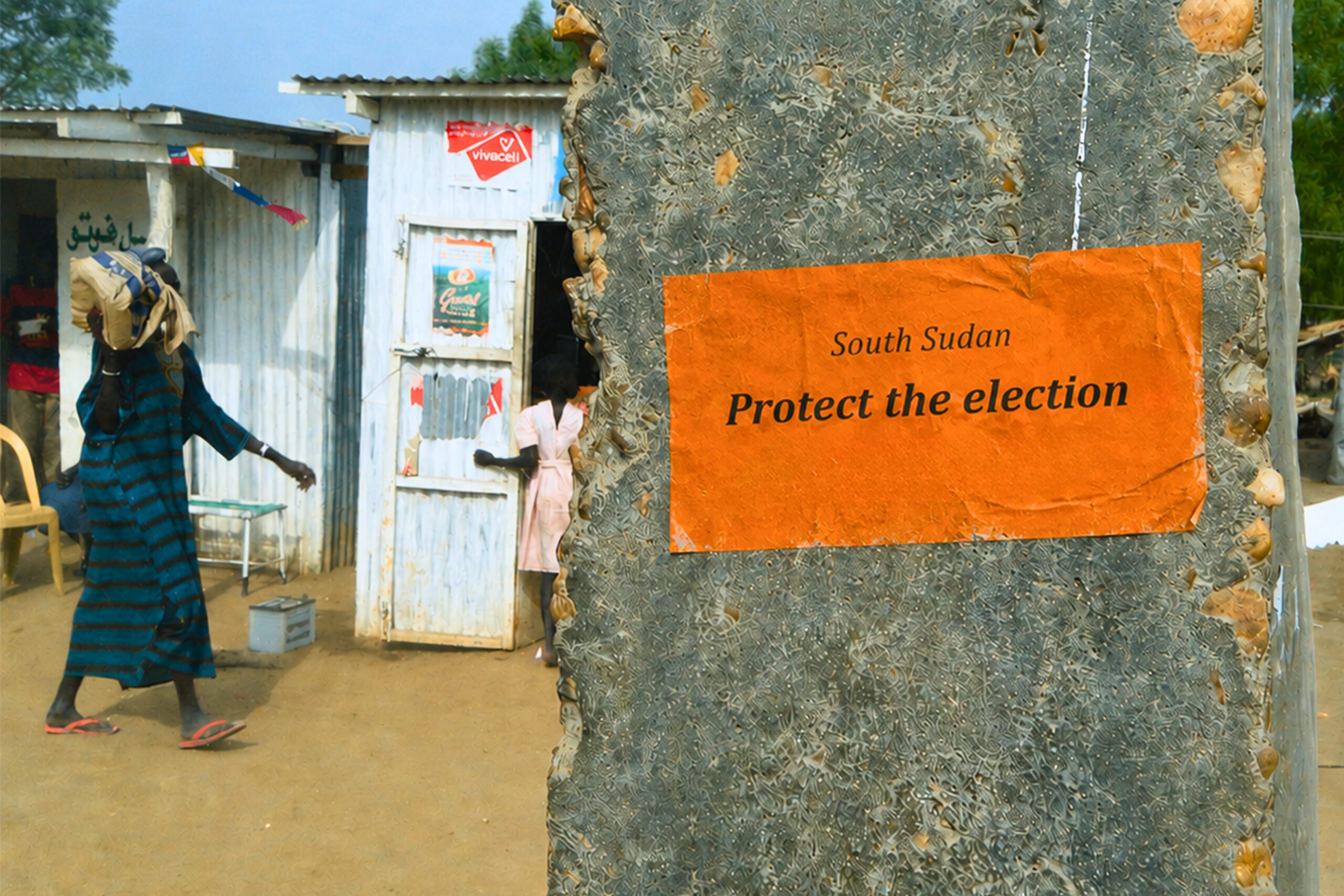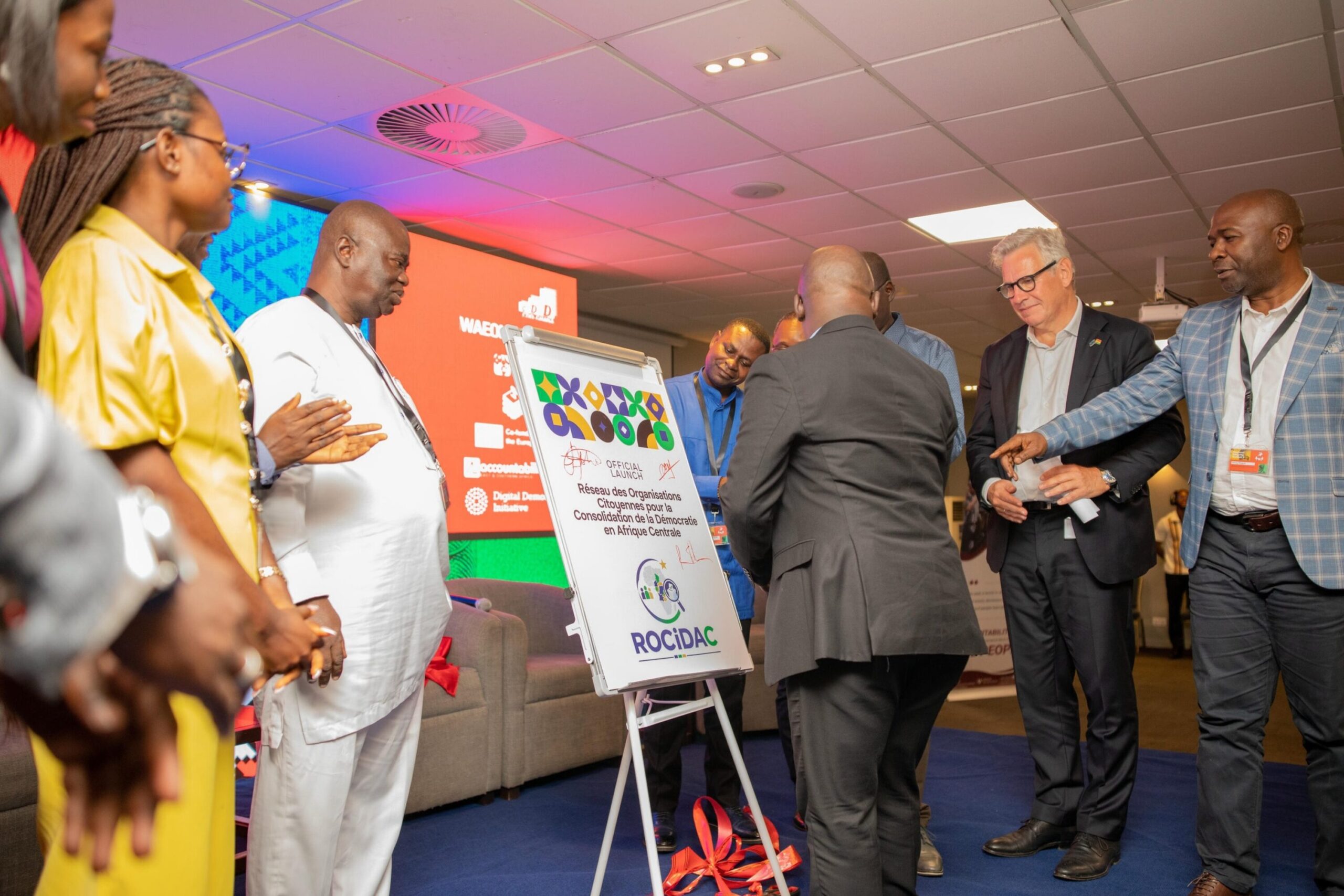
On 24 September 2026, in Accra, Ghana, seven civil society organisations from across Chad, Gabon, the Central African Republic, Burundi, Cameroon, the Democratic Republic of Congo and the Republic of Congo came together to launch the Network of Civil Society Organisations for the Consolidation of Democracy in Central Africa (ROCiDAC), during the third edition of the Electoral Integrity Summit.
The network brings together democratic actors across Central Africa. It will operate in a region facing persistent governance challenges, prolonged presidential leadership and constrained civic space, which often receives limited attention from major democracy-support efforts. Yet civil society across the region continues to exist, organise, speak out and assert its role in public life, demonstrating that democratic actors remain present and engaged despite a challenging environment. By connecting and sustaining these actors, the network aims to strengthen their collective voice and ensure that, when political openings emerge, credible local watchdogs are ready to engage, monitor and help advance democratic processes.
The network grew out of an aspiration that took shape in the AHEAD Africa project. From its inception, the project recognised the limited presence and visibility of Central African actors in election discourse, and sought to challenge the assumption that constrained environments leave little room for meaningful progress. Instead, it worked towards identifying and connecting the actors who, in their respective countries, do work for democratic accountability, creating space for their voices, and building on the opportunities that can be curbed out from difficult political contexts. The story of ROCiDAC began already a year ago at the second edition of the Electoral Integrity Summit in Lusaka, Zambia in 2025. Its seven founding members are:
- MOCET – Mission d’observation citoyenne pour des élections transparentes (Gabon);
- OAPET- Observatoire des associations sur le processus électoral au Tchad (Chad);
- ADE – Actions for Development and Empowerment (Cameroon)
- PAJED – Programme d’Assistance Juridique pour l’Égalité en Droit (Republic of Congo);
- CEJP RDC – Commission Episcopale Justice & Paix République Démocratique du Congo (Democratic Republic of Congo);
- CEJP Burundi – Commission Episcopale Justice & Paix Burundi (Burundi); and
- RAC – Réseau Arc-En-Ciel (Central African Republic)
Some of these organisations are themselves national networks, collectively bringing together member organisations across the region. ROCiDAC therefore builds on an existing community of domestic election observers and human right defenders, connecting organisations with long-standing experience in monitoring elections and democratic processes.
ORDRE also connects this regional effort to the wider pan-African architecture of election observation through the African Election Observers Network (AfEONet), which currently brings together regional observer networks such as the East and Horn of Africa Election Observers Network (E-HORN), the West African Election Observers Network (WAEON) and the Electoral Support Network of Southern Africa (ESN-SA). Bringing Central Africa into this wider community creates new opportunities to harmonise observation practices, share methodologies, learn from one another and strengthen cooperation among election observers across the continent.
ROCiDAC will develop regular dialogue with key regional actors such as ECCAS, ROGEAC, national electoral commissions, international NGOs and organisations present in the region, as well as media and other civil society actors. The network will also partake in integrated learning missions with other regional networks throughout the continent, and will aim to get stakeholders together to produce recommendations contributing to the improvement of electoral integrity in the region.
Ultimately, ROCiDAC’s ambition is to place citizens’ perspectives at the heart of electoral processes and to shift the way Central Africa is perceived, not only through the lens of its constraints, but rather highlighting the agency, experience and determination of the democratic actors working within it, while creating greater space for regional leadership, collaboration and locally rooted solutions. It is a call to look beyond the assumption that little can change, and to ask instead: what possibilities remain open, what voices can still shape the future, and what can be built when those voices are connected and heard?