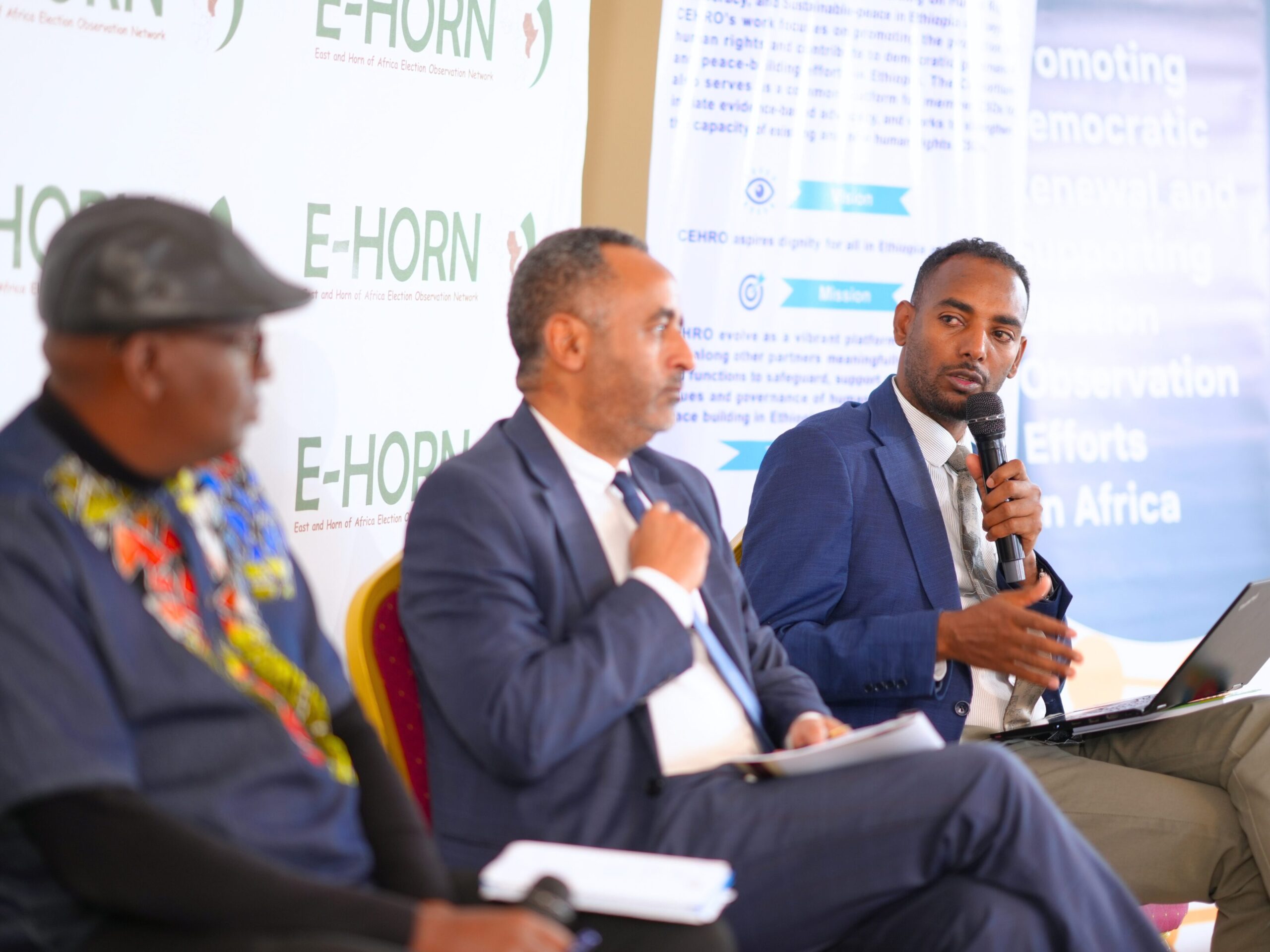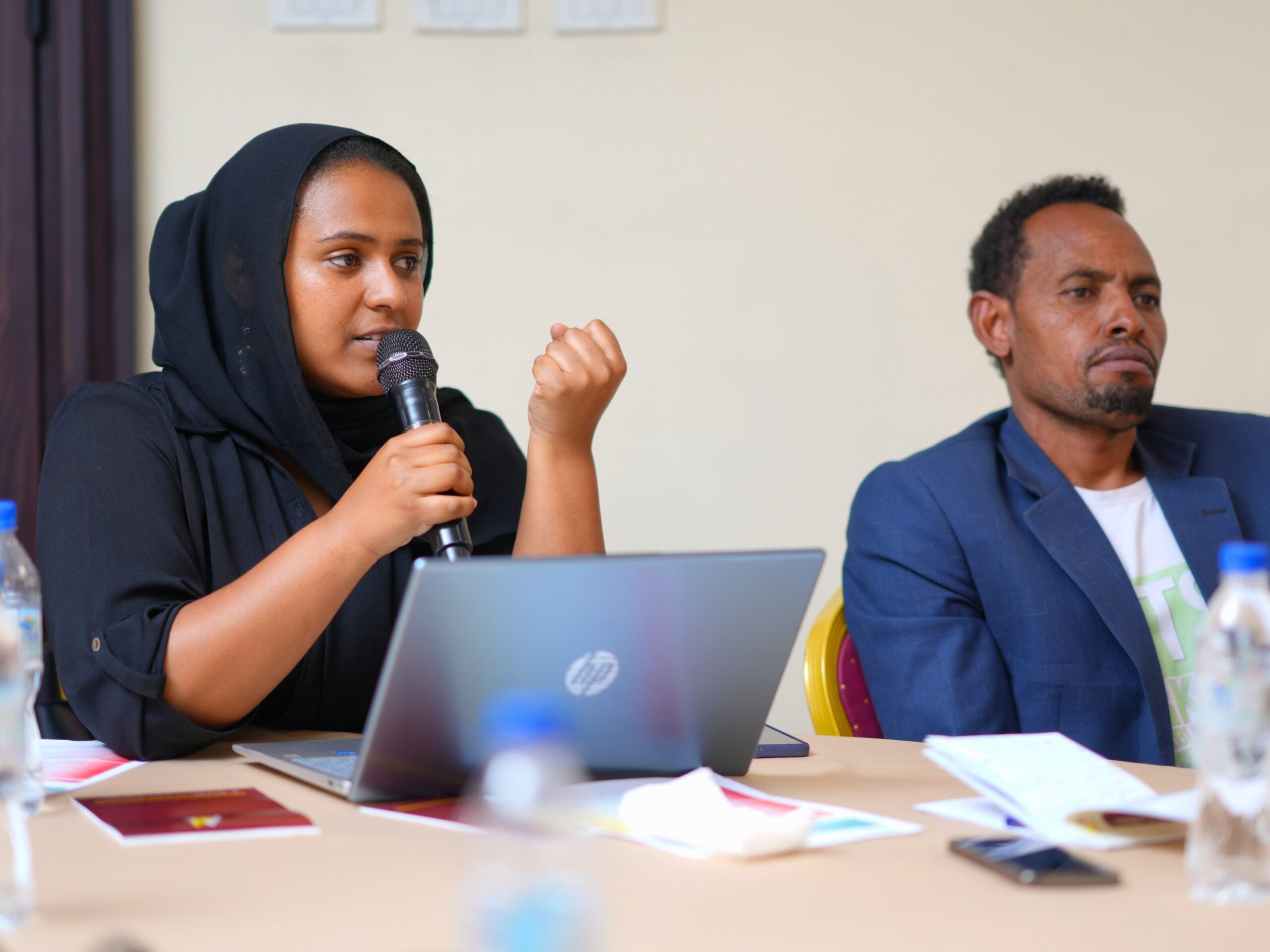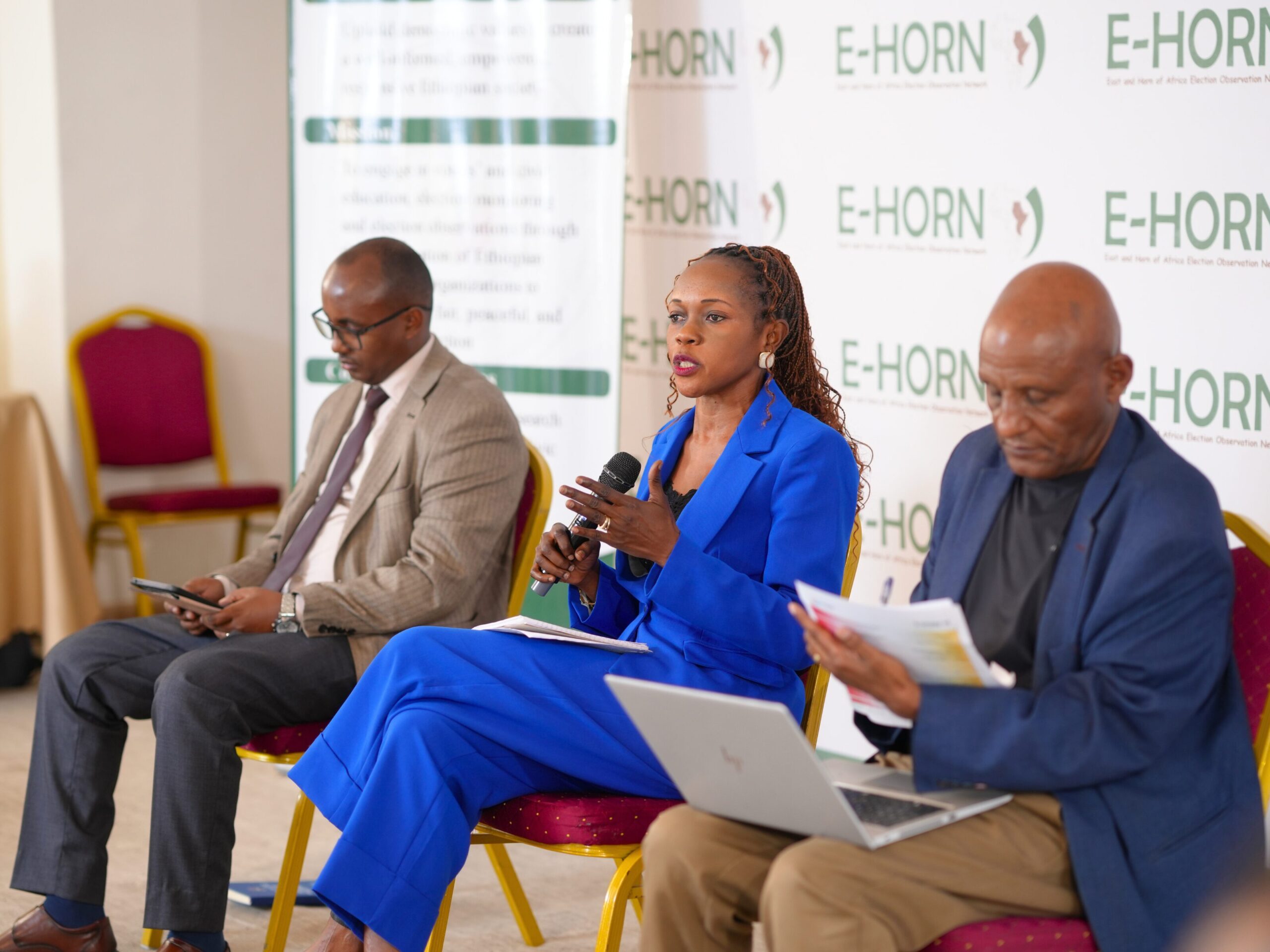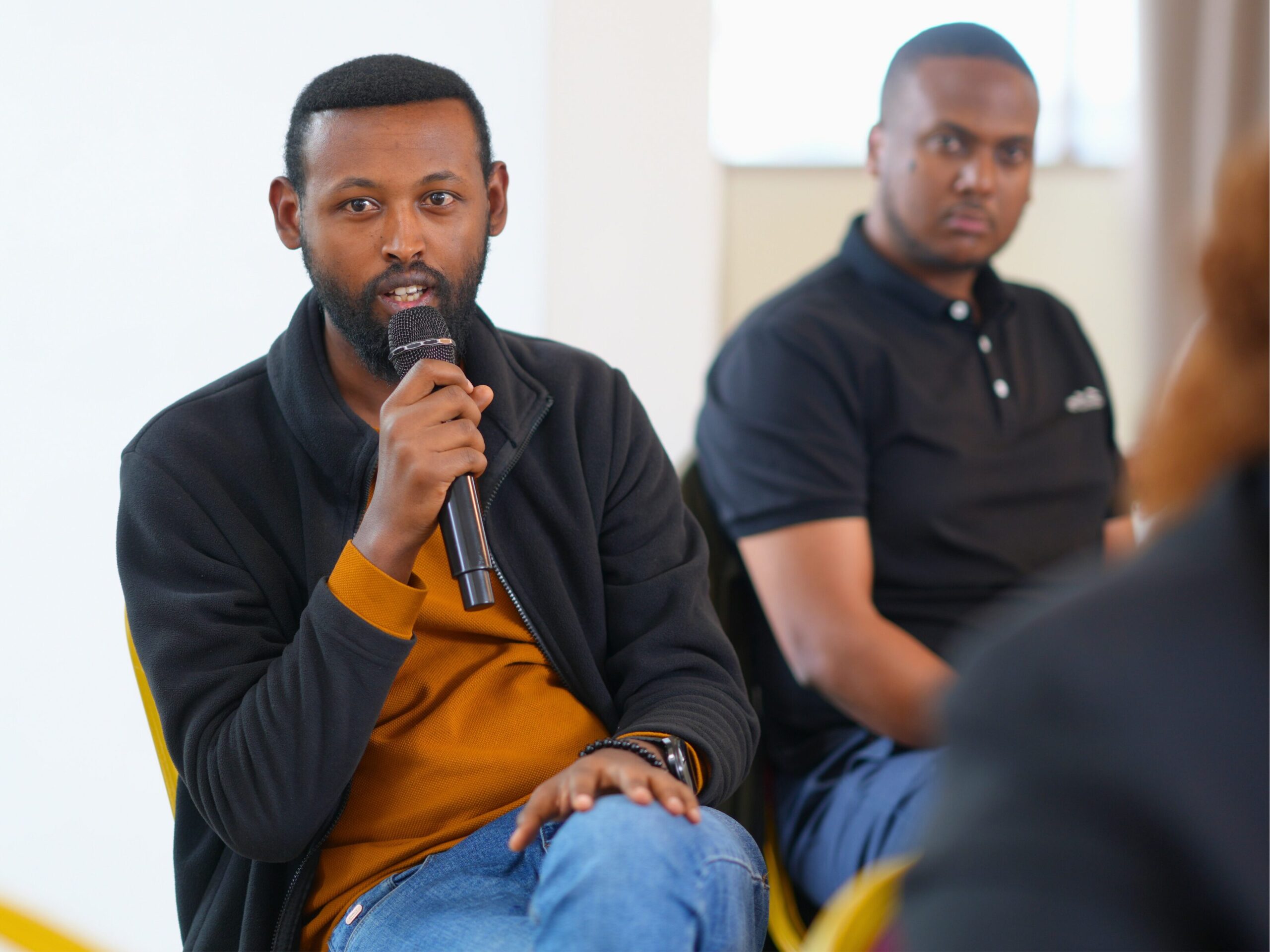
Election observation is no longer a routine exercise. Faced with shifting rules, shrinking civic space, and unpredictable politics, it has become a formidable challenge. Yet across Ethiopia and the continent, civil society isn’t stepping back, it is stepping forward. Meeting these challenges, however, requires more than individual effort from civil society; it depends on the coordinated action of all actors.
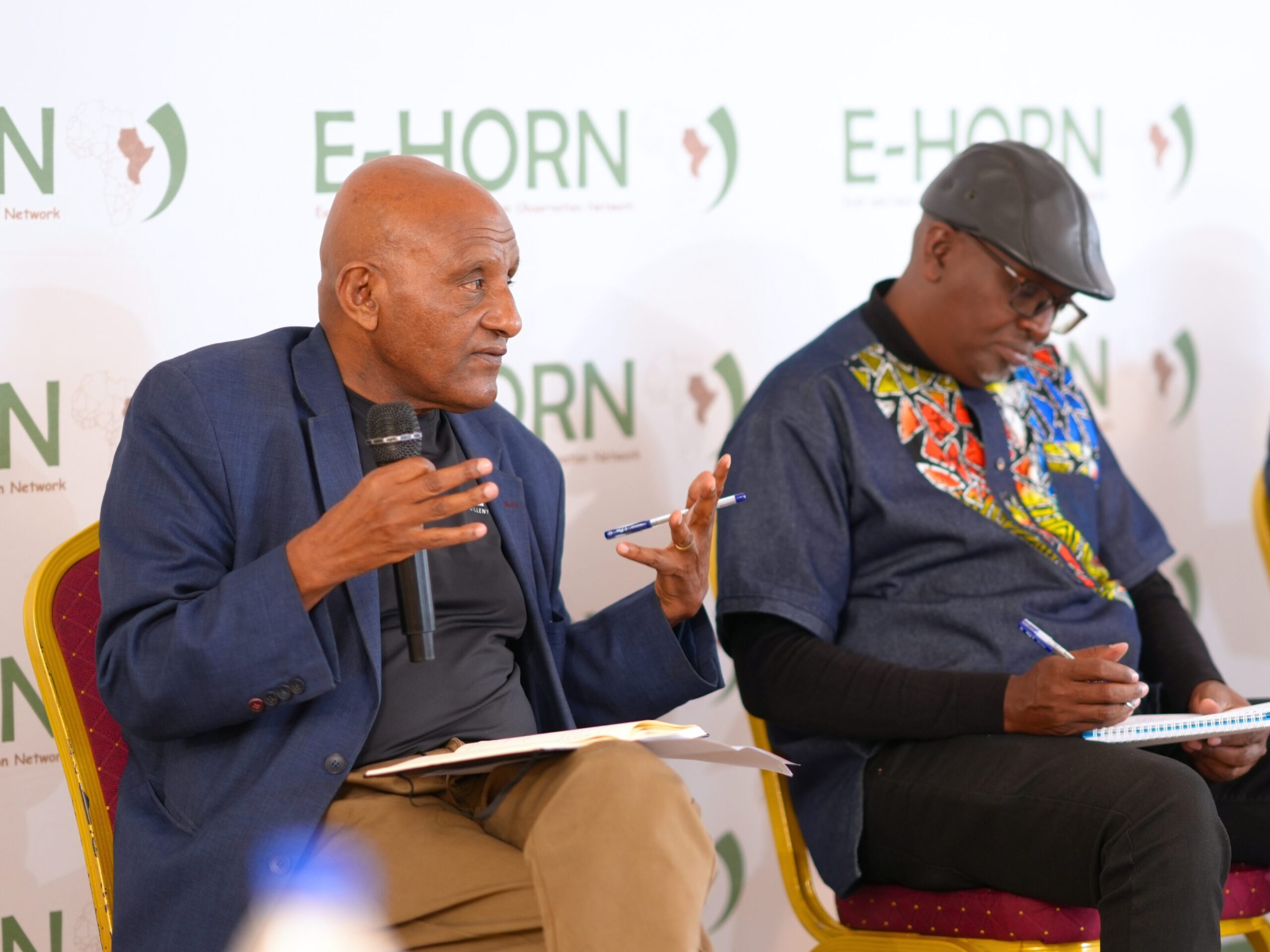
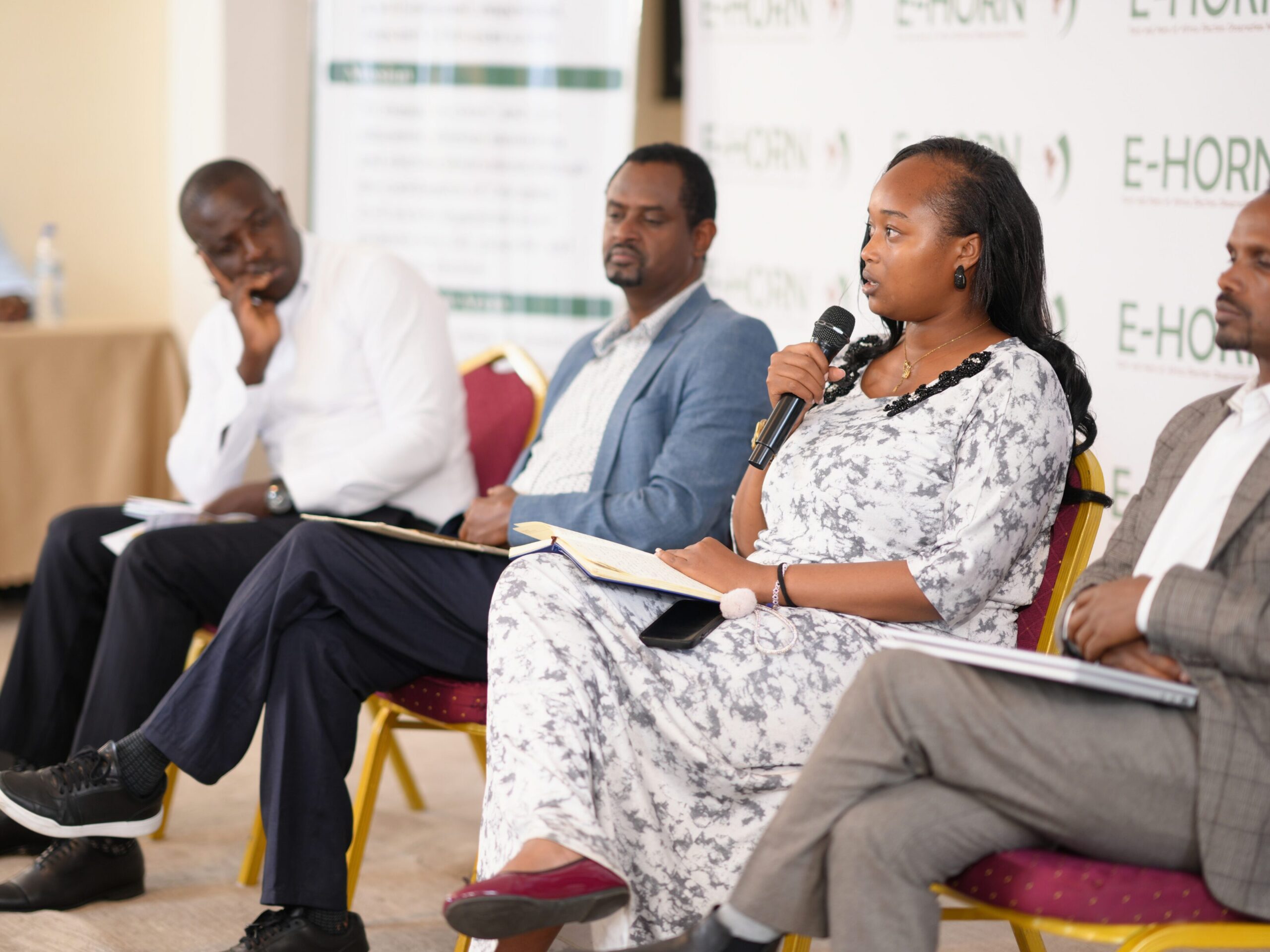
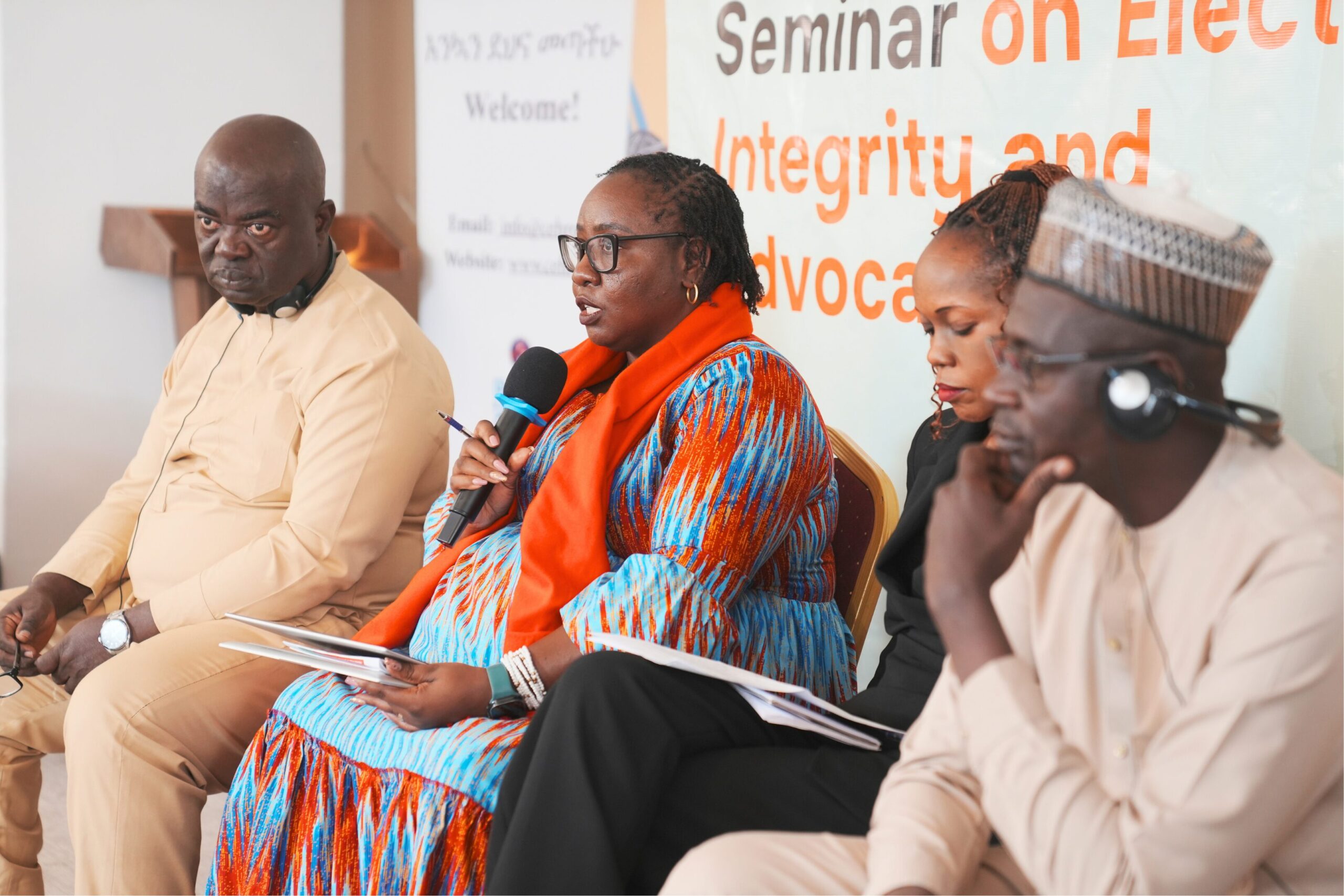
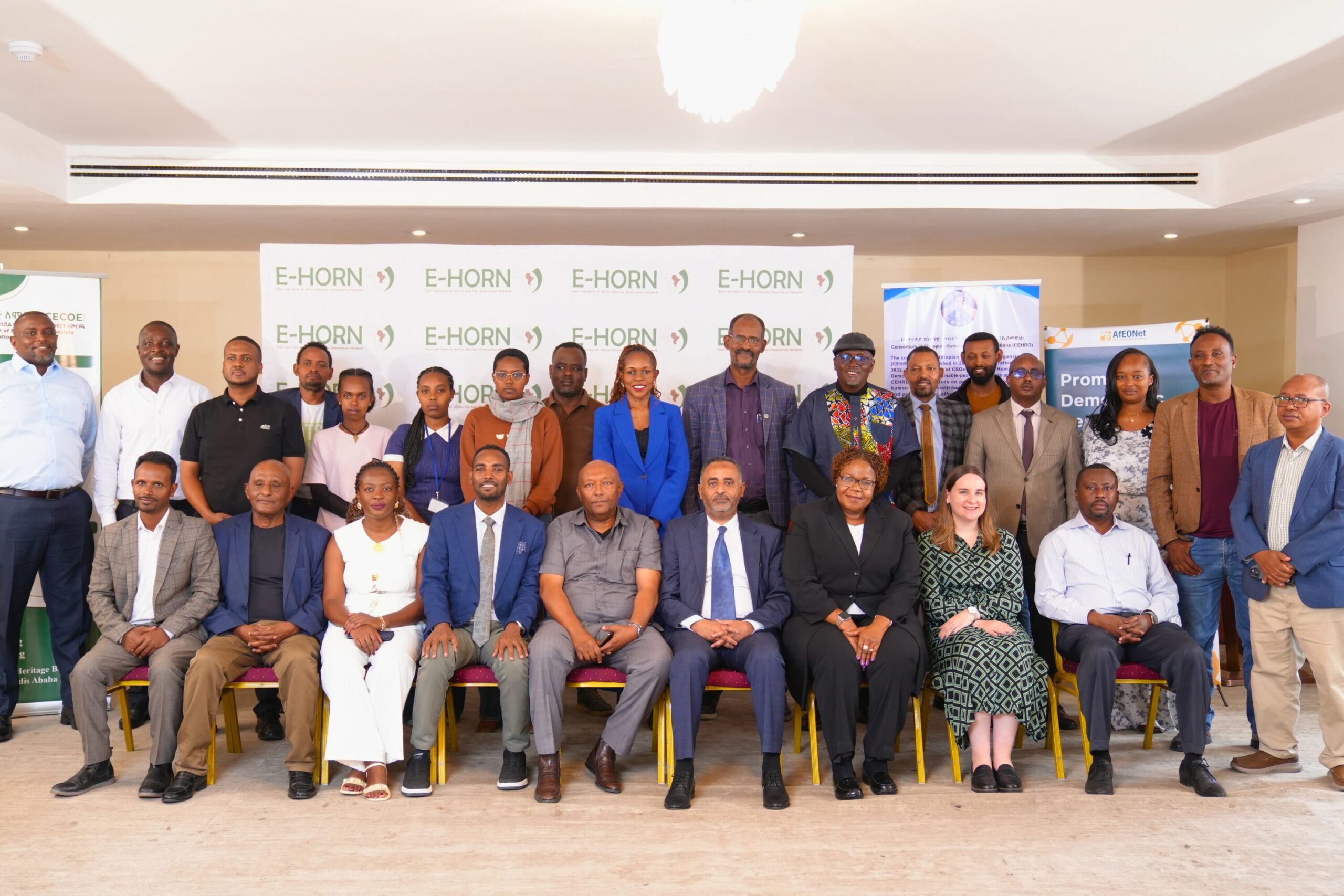
“If you want to go fast, you go alone. If you want to go far, you go together,” reminded participants Mesud Gebeyew Reta from the Consortium of Ethiopian Human Rights Organisations (CEHRO) at the Ethiopia Country Forum on 27 March in Addis Ababa, part of AHEAD Africa. More than a proverb, he stressed, it is a wake-up call for civil society and all stakeholders to coordinate, share knowledge, and act collectively. Credible elections, he and Sahlesilassie Abebe from the Ethiopian Civil Society Organisations for Elections (CECOE) agreed, are not the responsibility of institutions alone, they rely on all actors working as one.
Ready, set, vote
This collaborative effort must, of course, include citizens. Voter turnout expectations remain low. Ethiopia’s population exceeds 130 million, and more than 70 million people are eligible to vote, yet only about 20 million have registered so far across 547 constituencies, according to Adem Abdulkadir from the Ethiopian Political Parties Joint Council (EPPJC). He also highlighted reports of forced registration by dominant parties, which undermine the principle that voter enrolment should be voluntary. Registration and, ultimately, voter participation are expected to remain low in the Amhara and Oromia regions, where ongoing conflicts continue to disrupt the electoral process.
This election also marks the first time Ethiopia is introducing digital registration for both candidates and voters. Candidate registration, originally scheduled from 10 December to 9 January, had to be extended by two weeks due to technical issues. Voter registration opened on 7 March and is expected to run until 7 April, though in many areas it is still being conducted manually because of poor connectivity. However, the transmission of results has not yet been digitalised, which remains a critical gap that needs addressing, insisted Mesud Gebeyew Reta from CEHRO.
Clicks and tricks
Although internet penetration in Ethiopia is very low, with only 21% of the 81 million people with a device having internet access, digital tools are increasingly being used to manipulate voter decisions, explained Mulle Musau from the East and Horn of Africa Election Observers Network (EHORN). The paradox is that while the National Election Board of Ethiopia is digitalising processes to improve transparency and accountability, this same digitalisation opens doors to cyber threats.
Cyberattacks, phishing, malware, misinformation, deepfakes, coordinated bot campaigns—even many originating from outside the country—and high-follower social media accounts are being used to shape public narratives, often giving one side disproportionate visibility, warned Dr. Moges from the Center for Advancement of Rights and Democracy (CARD). One of the most effective ways to counter these false narratives, being practiced by E-HORN, is to jump on online trends, turning them into opportunities to educate the public and debunk misinformation in real time, explains Karen Wambui.
To prevent the government from using “protecting citizens from the spread of lies” as an excuse for illegal internet shutdowns, the Ethiopian Media Council is working to combat false narratives, says Moges Demissie from CARD. Yet Ethiopia Telecom’s monopoly leaves the country highly vulnerable to total blackouts.
Ballots and battles
Elections do not cause conflict on their own, but they can expose and reignite unresolved tensions—now often exacerbated by technology, sometimes leading to violence, noted Perry Aritu from Women Democracy Network Uganda. “Ironically, violence is one of the few aspects of elections that does not discriminate. In Uganda, we’ve seen the killing of young people who are not even of voting age,” she recalled.
In Ethiopia, there is no dedicated election security unit; instead, regular police forces are deployed. The Ethiopian Federal Police developed a world-first, award-winning app that allows citizens to report crimes or misconduct anonymously via text, video, or audio. Ultimately, building trust in security forces depends on their responsiveness and how effectively authorities act on citizens’ complaints. Tamirat Mulugeta (PhD) explains that the police approach focuses on prevention before the vote, protection during the election, and stabilisation afterward.
The role of civil society
Beyond trust in security forces and institutions, citizens also need to be informed and empowered ahead of elections. Under the motto “I VOTE,” CECOE has spent recent months educating voters in six languages via TV and radio. The organisation will also train, recruit, and deploy 5,000 short-term accredited election observers, alongside 519 long-term observers, mentioned Abera Hailemariam.
Complementing police efforts mentioned earlier, the Ethiopian Political Parties Joint Council (EPPJC), which represents 63 parties across the country, has established an Election Watch Desk to handle complaints from political parties. “Opposition members are sometimes harassed or even arrested,” notes Abdulkadir Adem. The EPPJC also organises dialogues that bring together multiple parties to address disputes and promote constructive engagement. Since the last general elections, it has also been advocating for changes to the majority voting system, which tends to favor certain parties or individuals.
Conclusion
At the heart of all these efforts is a simple truth: no single actor can safeguard democracy alone. Civil society acts as the bridge between citizens, institutions, and political actors, ensuring voices are heard, disputes are addressed, and information reaches every corner of the country, even in conflict-affected areas. From monitoring parties and training observers to educating voters and countering misinformation, these organisations weave together the threads of a fragile electoral process, showing that credible elections are not just about rules or technology, they are about people working together. In Ethiopia, the message is clear: the answer is together.
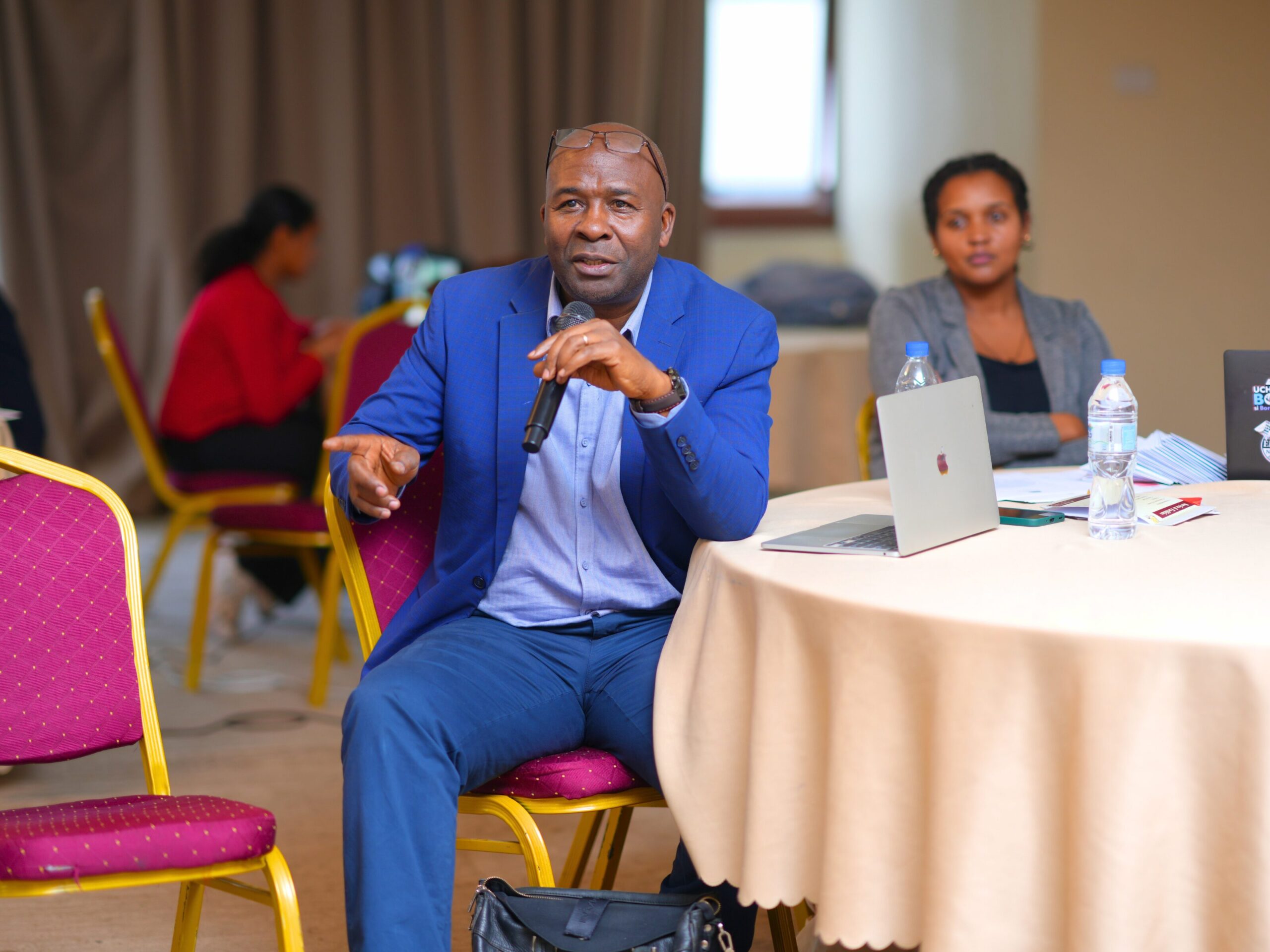
Pictures on the Ethiopia Country Forum