The world today is unfolding in an increasingly fractured context marked by democratic backsliding, authoritarian consolidation, conflict, and the weakening of multilateral norms, particularly across the African continent.
In this environment, elections and election observation can no longer remain static rituals. As Ichumile Gqada of the Open Society Foundations argues, they must evolve alongside shifting political, technological, financial, and institutional realities if they are to remain meaningful expressions of democracy rather than procedural exercises.
Yet in many countries, the conditions for credible elections are deteriorating. Public trust is declining, Electoral Management Bodies are under pressure, and elections are becoming less competitive—often shaped by the instrumentalisation of state institutions to entrench executive power and amplified by disinformation. Against this backdrop, election observation remains one of the last lines of defence for democratic integrity.
The academy
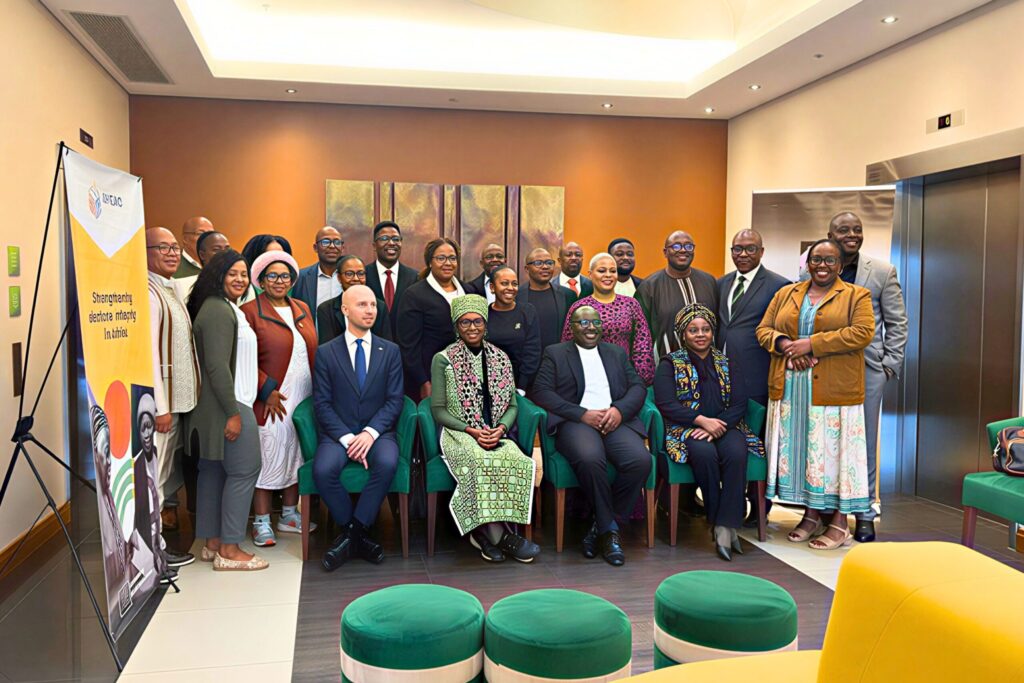
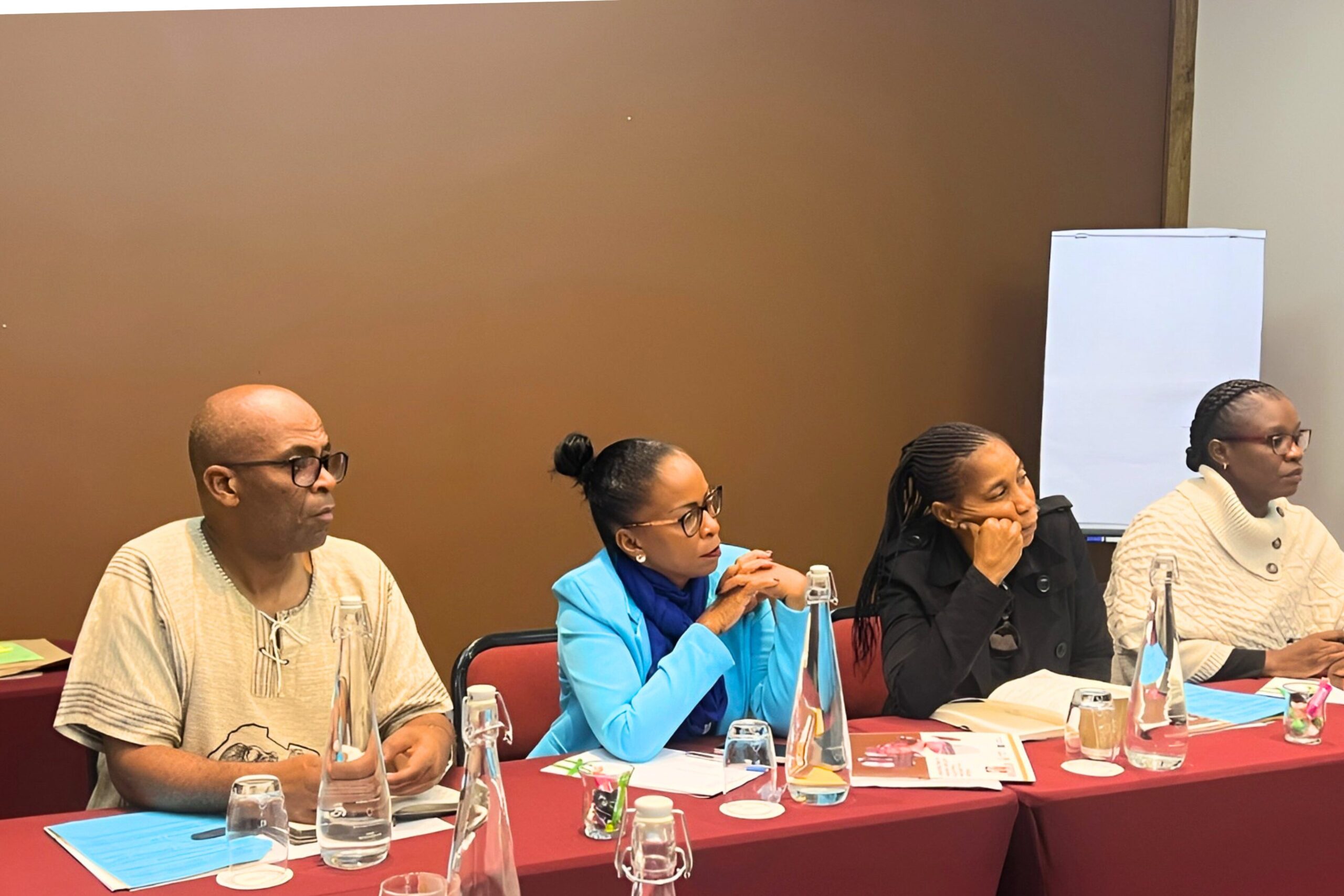
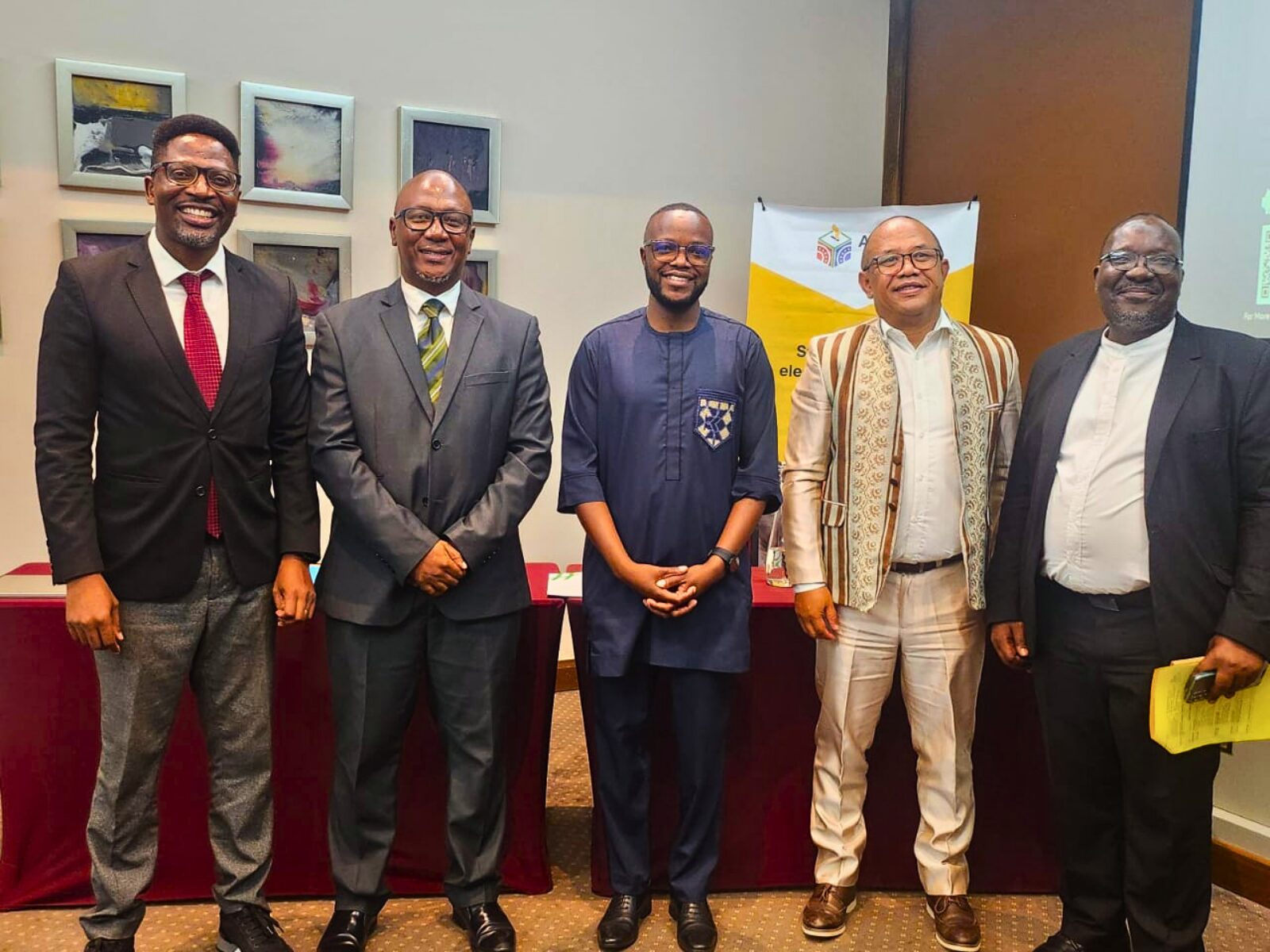
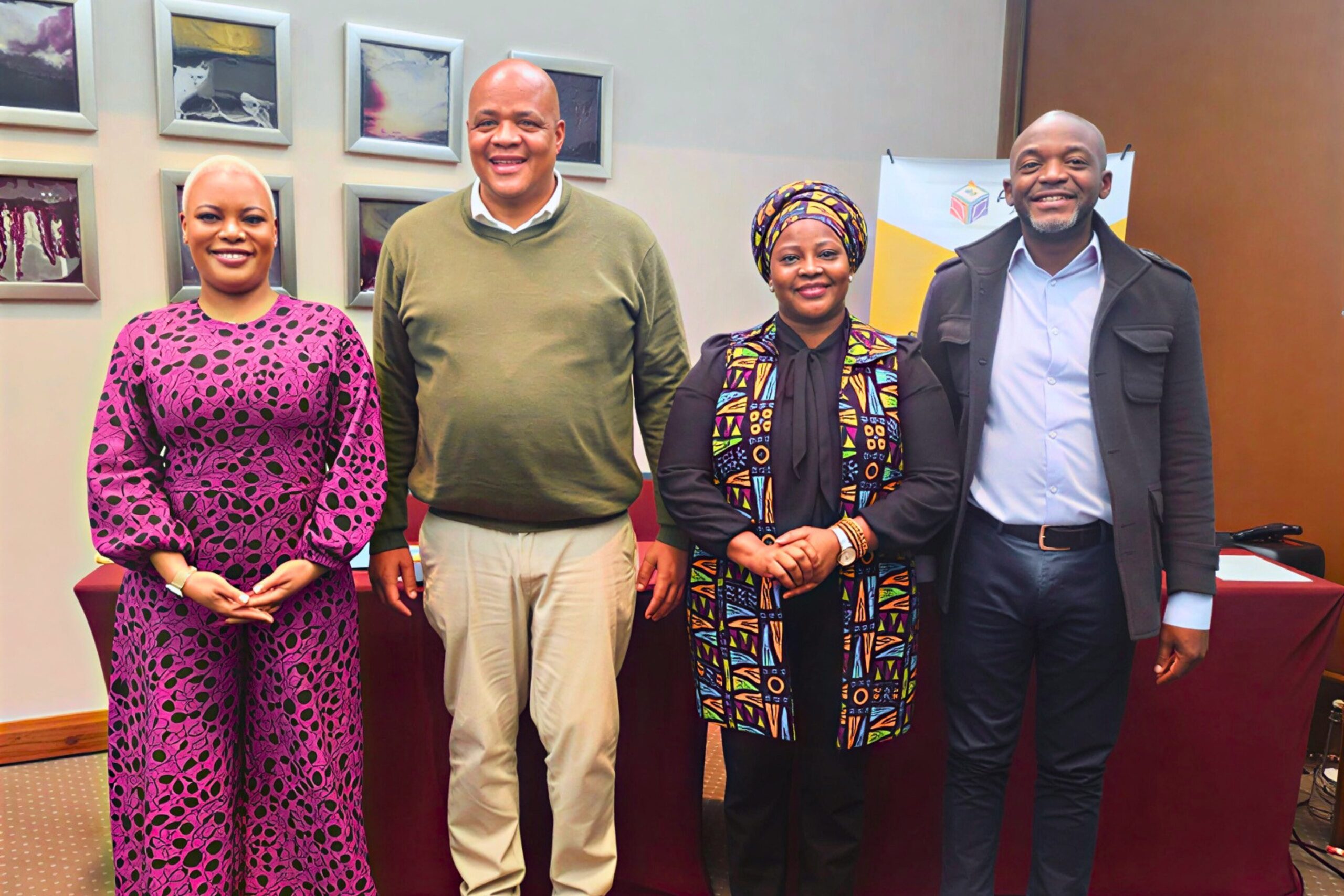
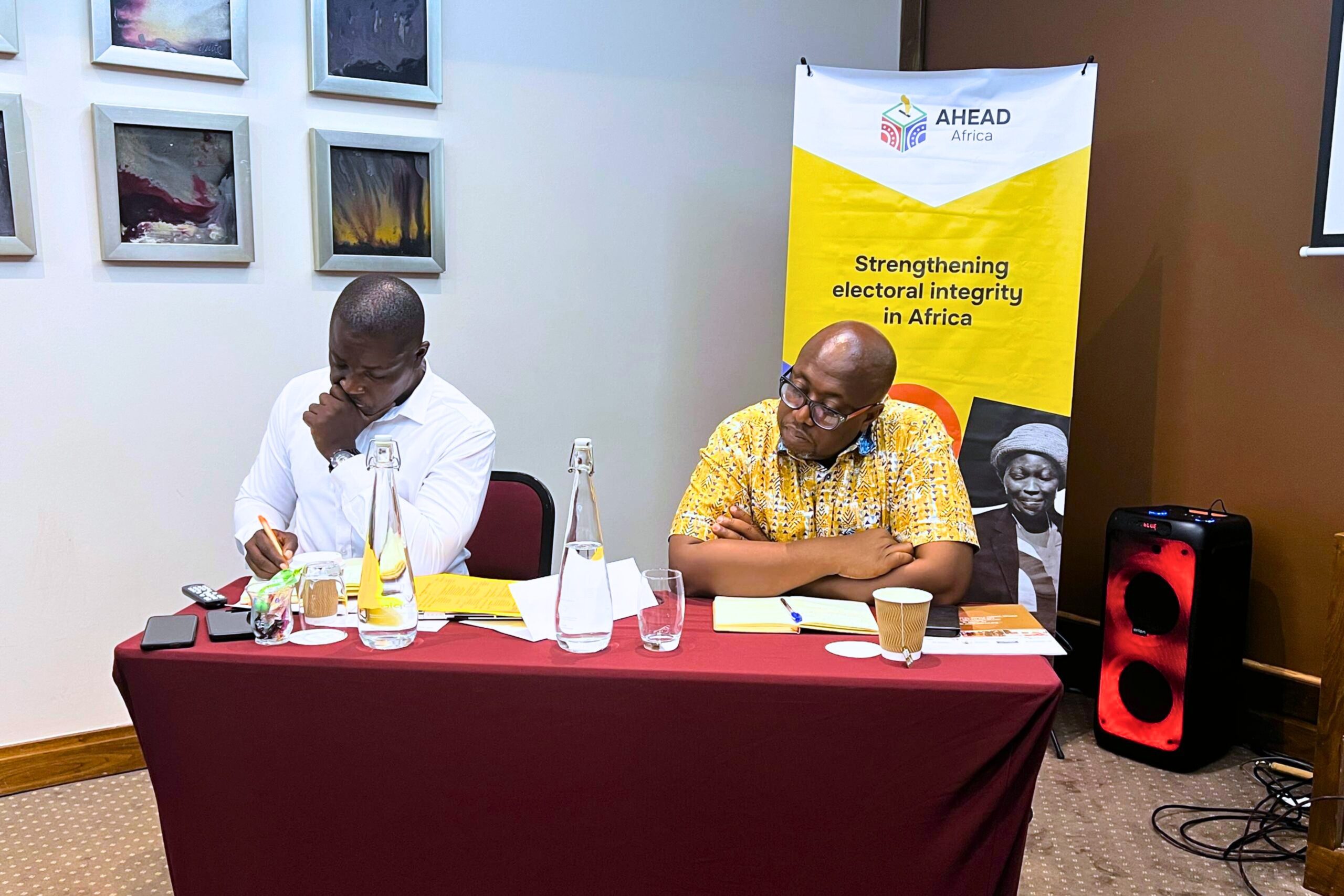
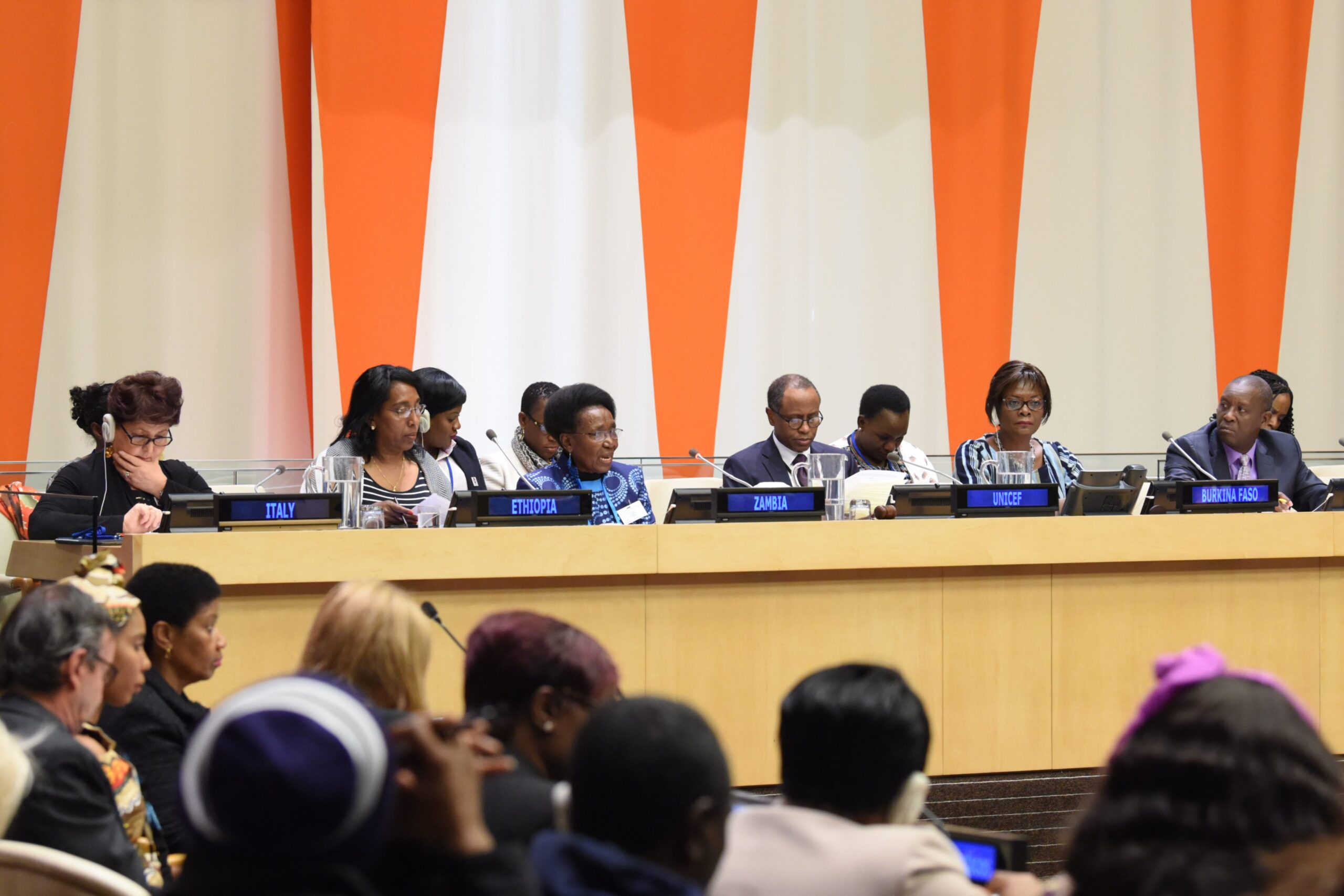
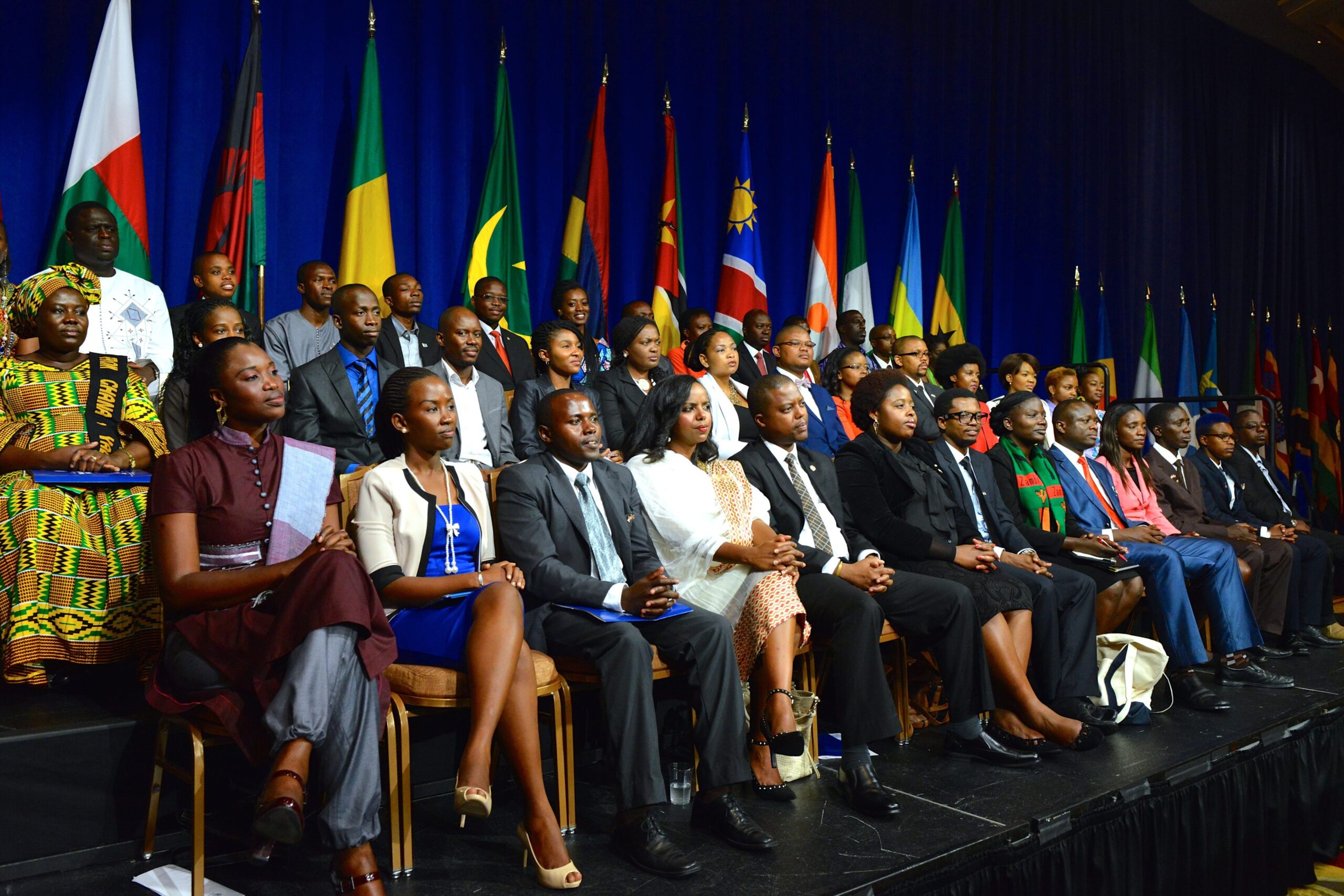
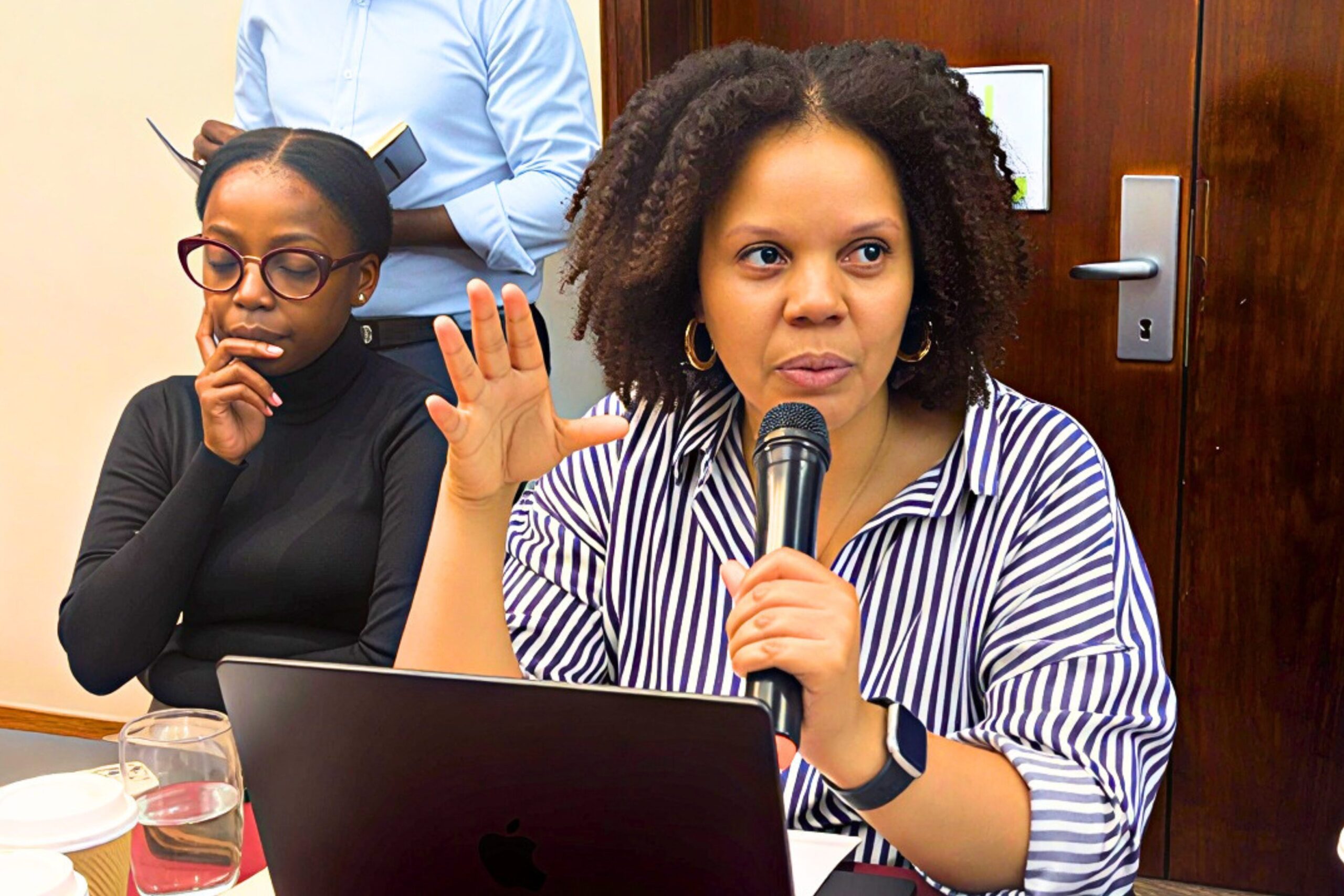
It is within this context that the third Election Academy, organised by the Electoral Support Network of Southern Africa (ESN-SA), brought together citizen observer groups, civil society actors, electoral experts, and practitioners from across Southern Africa and beyond. Over two days (13–14 April), participants wrestled with a central question: how do elections move beyond a checkbox exercise?
As Rindai Chipfunde-Vava put it, the gathering became “a timely space for shared learning, innovation, and shaping the future of election observation in Southern Africa and beyond.”
But beneath the technical discussions was a deeper recognition: elections are changing faster than the systems designed to observe them.
What should citizen observers watch for?
The first shift is operational. Observers are being pushed to adapt to more constrained environments, marked by tighter security conditions, administrative barriers, and limited resources. This is forcing a move toward more cost-effective, flexible methods of observation that can still generate credible evidence under pressure.
The second shift is technological—and increasingly decisive. In a session on Artificial Intelligence and elections, Dr Bridget Chimbga from AI-RISE warned that AI has fundamentally changed the scale and speed of electoral manipulation, from deepfakes to micro-targeted disinformation, with disproportionate impacts on women, youth, and observers themselves. Her message was clear: digital tools are no longer optional for observers—they are essential.
But AI is also being adopted by electoral bodies themselves. Sy Mamabolo, Chief Electoral Officer from the Electoral Commission of South Africa, outlined how the Commission is cautiously integrating AI into voter registration, results management, and anomaly detection, while maintaining strict ethical safeguards and human oversight. He also noted ongoing cooperation with platforms like Meta to detect and counter deepfakes, stressing that electoral integrity—especially in Africa—remains the most expensive and critical component of elections.
A further concern is sustainability. Bhekani Bheki Dlamini of CANGO Eswatini warned that heavy reliance on donor funding threatens the long-term independence of citizen observation, calling for stronger domestic funding models.
Elections are not only technical, but also social
Beyond systems and technology, participants also pointed to the deeper social realities shaping elections.
Reverend Storia of the Southern Africa Council of Churches highlighted a widening knowledge gap between citizens, policymakers, and civil society. Using the slogan “Amandla Awethu” (“the power belongs to the people”), she noted that many citizens chant democratic messages without fully understanding their meaning, underscoring the urgent need for deeper civic and voter education.
Other voices pushed the discussion further into lived realities. Sitabile Dewa from WALPE Africa described the “politics of the stomach,” where economic survival increasingly drives voting behaviour, reshaping what “free choice” actually means. Meanwhile, Golden Nachibinga from the Zambia National Women’s Lobby highlighted persistent structural barriers to women’s participation, noting that women’s representation in Zambia’s Parliament has never exceeded 20 percent.
Credible elections are not only about integrity, but about who gets to participate in the first place.
Conclusion: observing the system, bit just the vote
Despite these constraints, one message remained consistent: citizen observation is indispensable, especially where political competition is weak—but only if observers are protected, resourced, and able to act with legitimacy.
Taken together, the discussions point to a fundamental shift. Election observation can no longer focus narrowly on election day. It must now read the entire ecosystem in which elections are produced: digital, economic, institutional, and social.
In a context where that ecosystem is increasingly fragile, observers are not only documenting elections. They are interpreting what elections are becoming.Africa has often looked to the US and other democracies as models. But as concerns about US democracy grow, should Africa now set a stronger example of its own? – Luis Jimbo from the Angola Institute of Electoral Systems and Democracy (IASED).
Pictures from the South Africa Election Academy 3