Juba, South Sudan
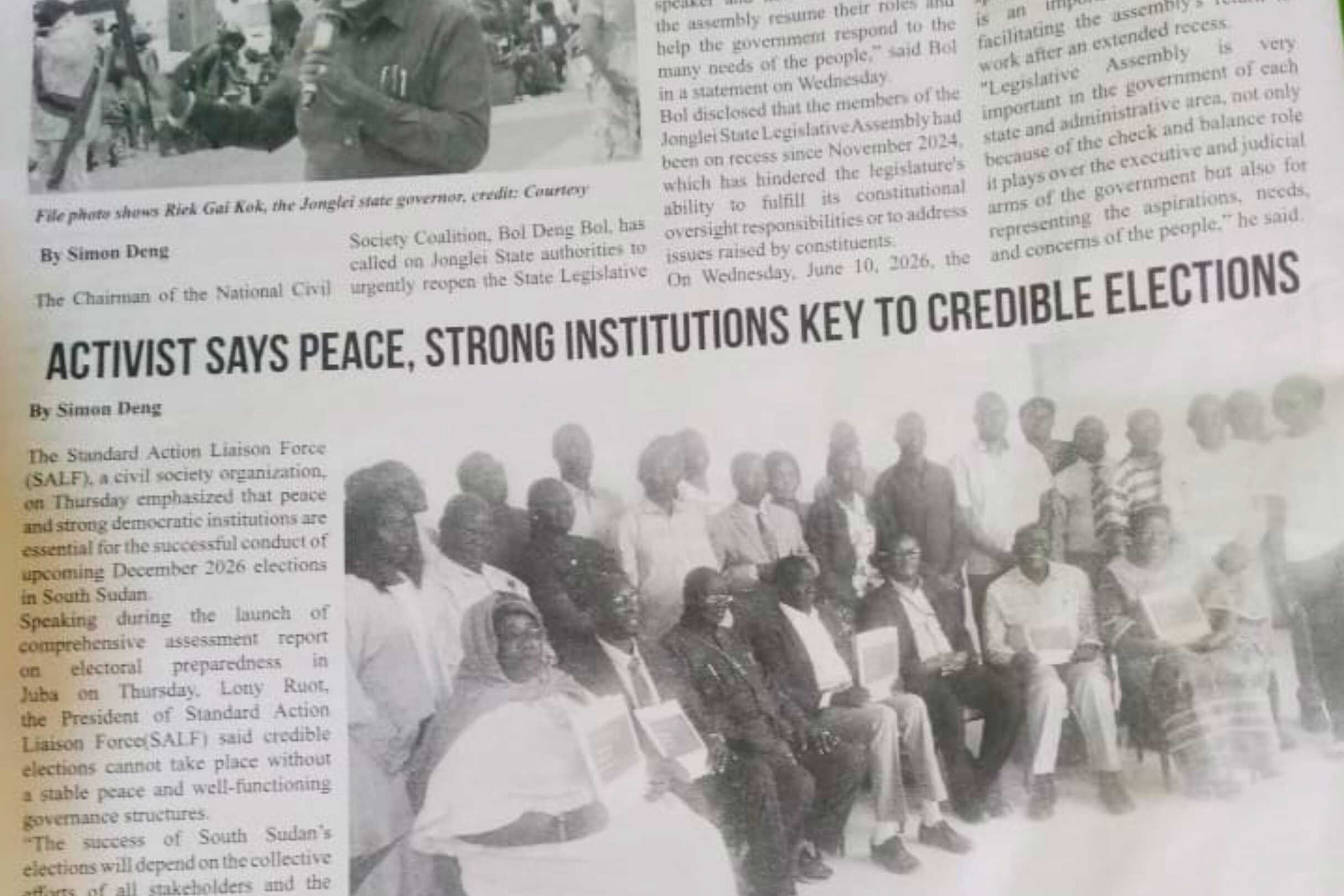
Founded in 2001, the Standard Action Liaison Force (SALF) is a non-profit organisation born out of a commitment to support South Sudan’s path toward democracy. Although national elections have not been held since independence in 2011, SALF’s work lays the groundwork for post-independence democratic institutions yet to be built. Through research on electoral systems, civic education, and governance, SALF equips citizens with knowledge and informs national policy.
Over the years, SALF’s research portfolio has grown to include tracking the progress of the 2018 peace agreement, capturing the hopes and expectations of citizens ahead of future elections, spotting the challenges in building solid electoral frameworks, and assessing how prepared institutions are to pave the road to a democratic transition.
With support from AHEAD Africa, SALF is working on a research paper titled “Assessing electoral readiness in South Sudan: Citizen perceptions and engagement, legal frameworks, and institutional preparedness.” This study will guide electoral reforms and preparations ahead of the next South Sudanese elections and inform AHEAD Africa’s other supported organisation in South Sudan, the South Sudanese Network for Democratic Elections (SSuNDE), in their advocacy efforts.
For the first time since South Sudan gained independence in 2011, millions of citizens are preparing to exercise their right to vote. But after years of delays, is the country ready?
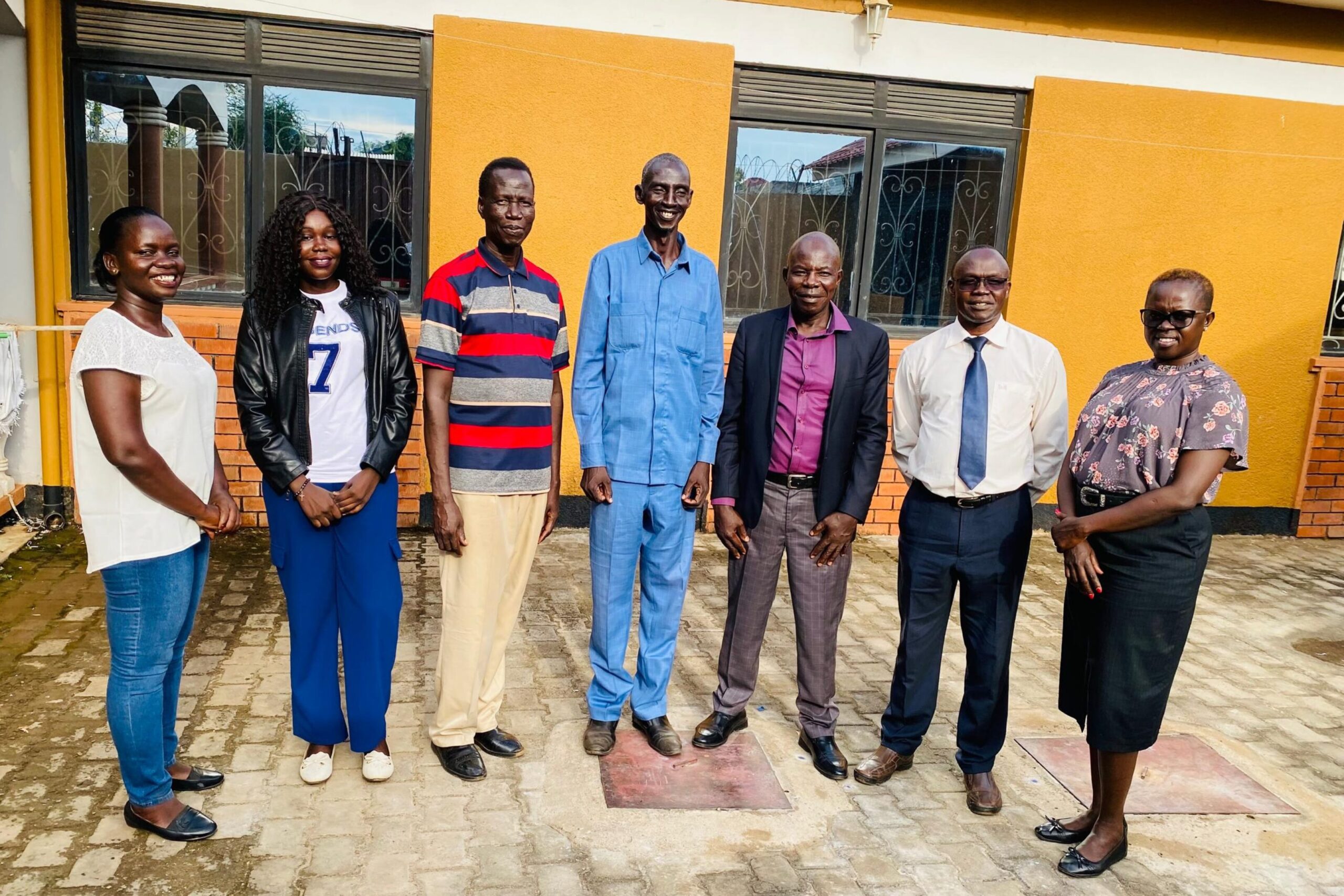
To answer this question, the Standard Liaison Action Force (SALF) trained 14 young field researchers and 21 community volunteers to conduct a nationwide survey. Despite floods and insecurity challenges linked to renewed conflict, they collected data from 903 respondents across six states and one Administrative Area through focus group discussions with citizens, as well as 54 interviews with government and election officials, legal experts, civil society, faith leaders, think tanks and academia.
The research revealed both hope and urgency: 86% of respondents knew elections were planned, 70% considered them very important, and 55% said they would definitely vote. At the same time, it identified significant legal, institutional and operational barriers to holding credible elections.
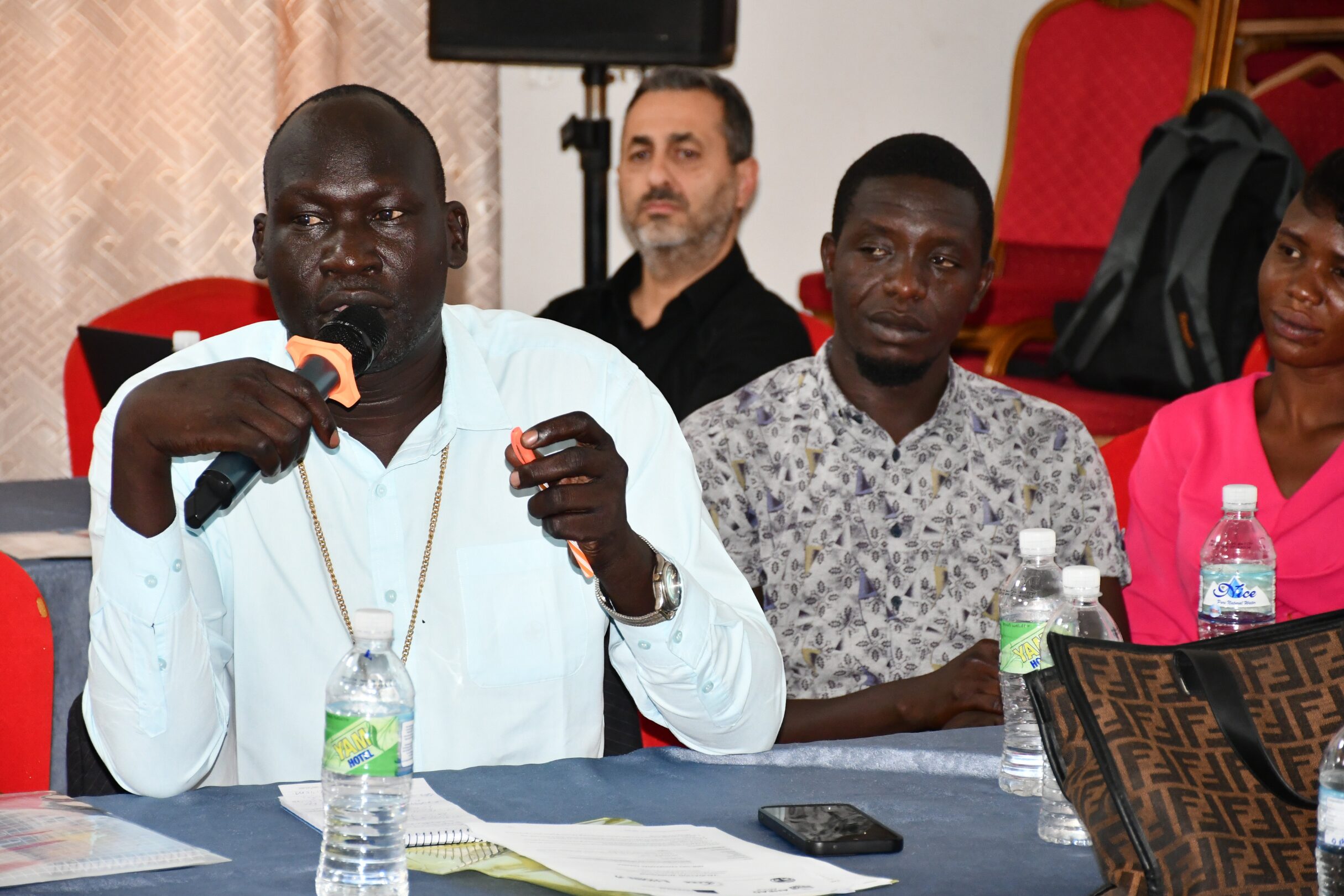
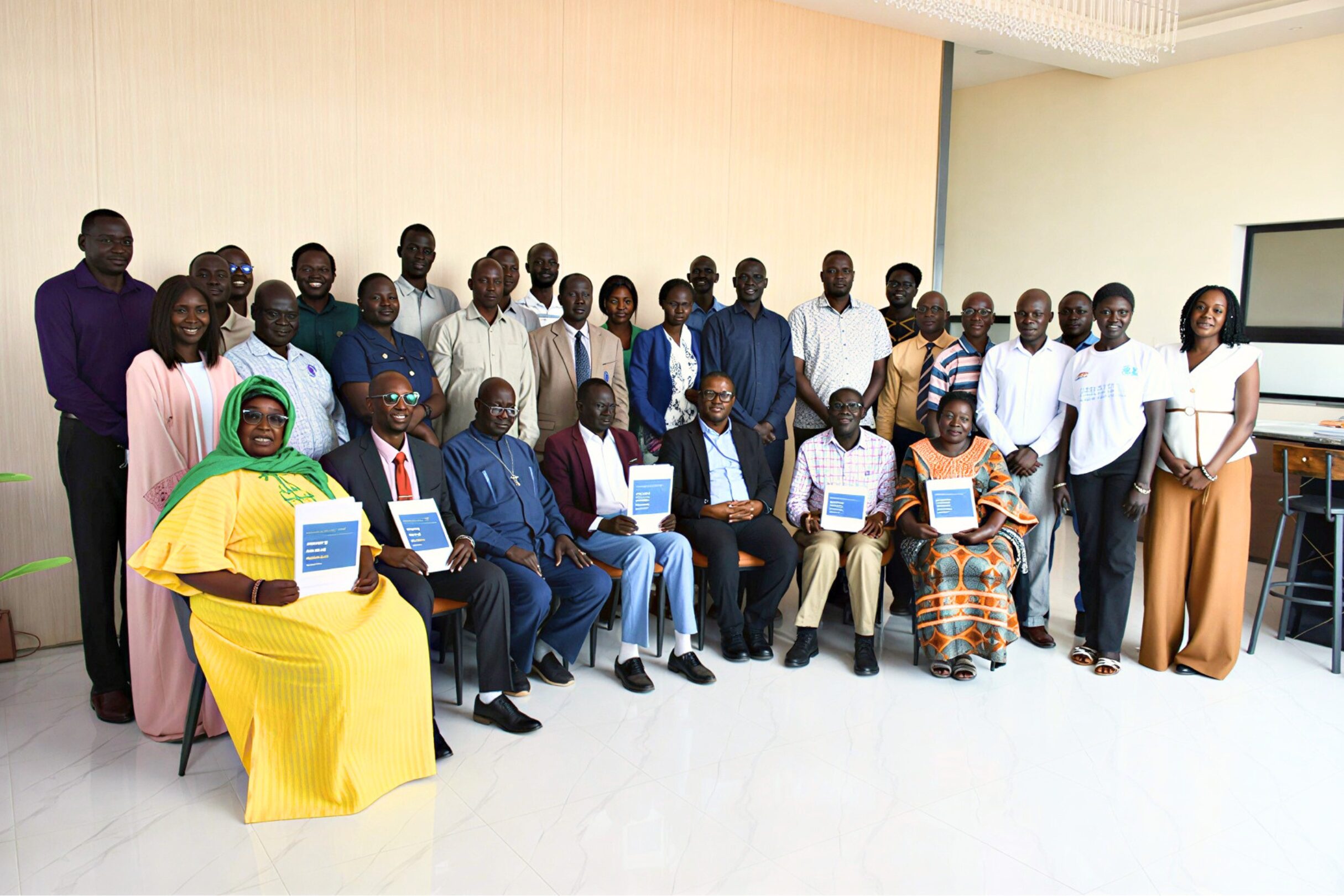
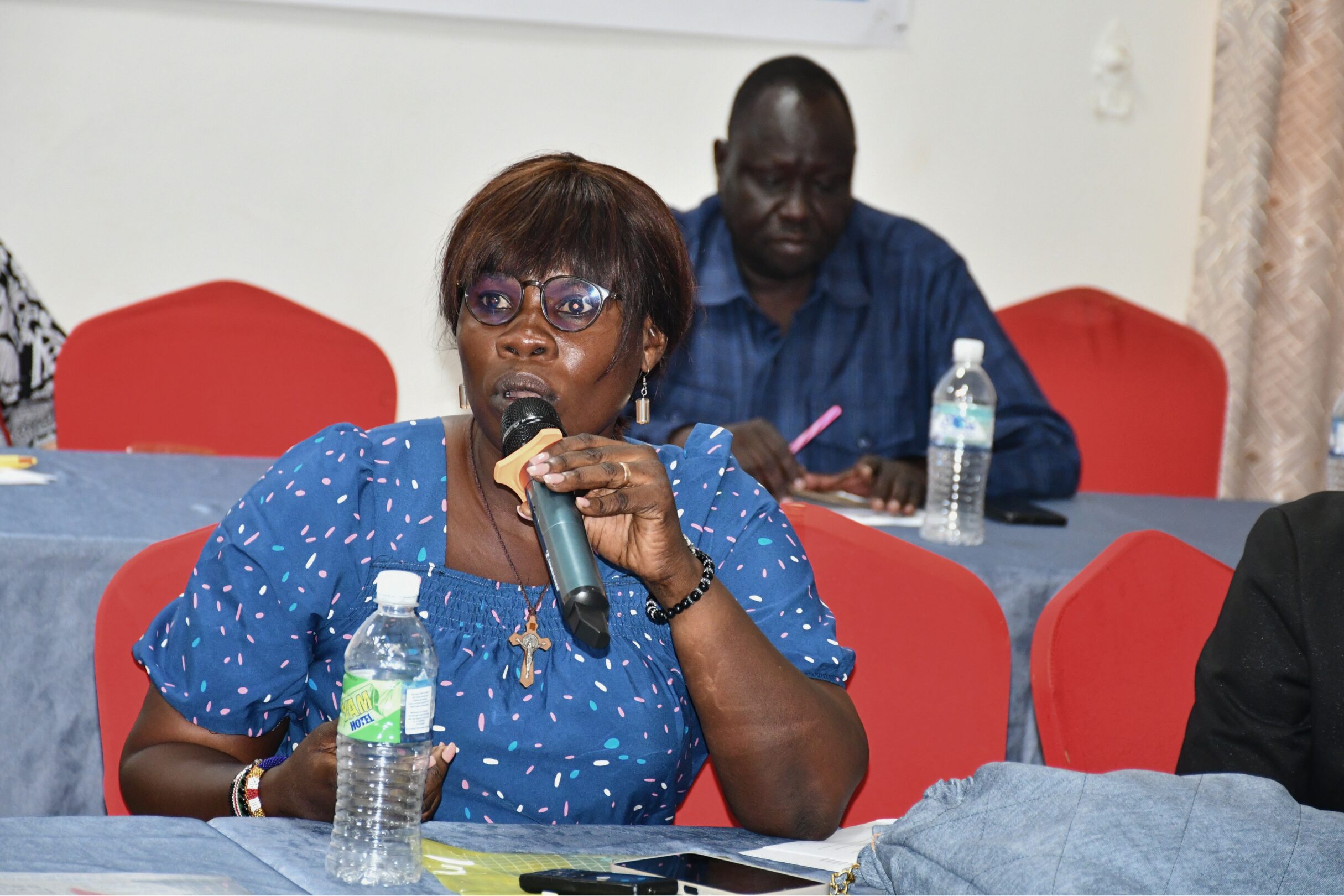
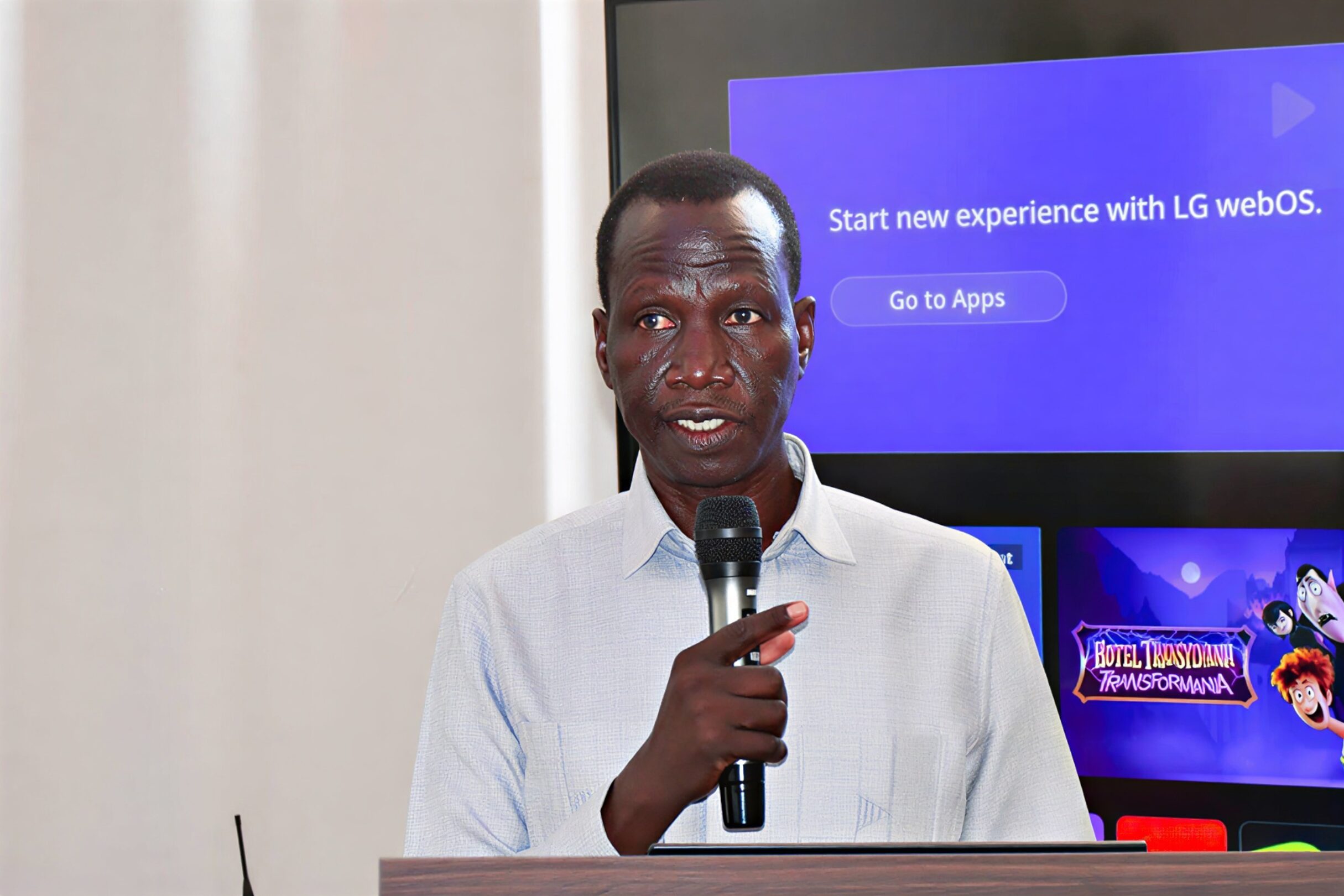
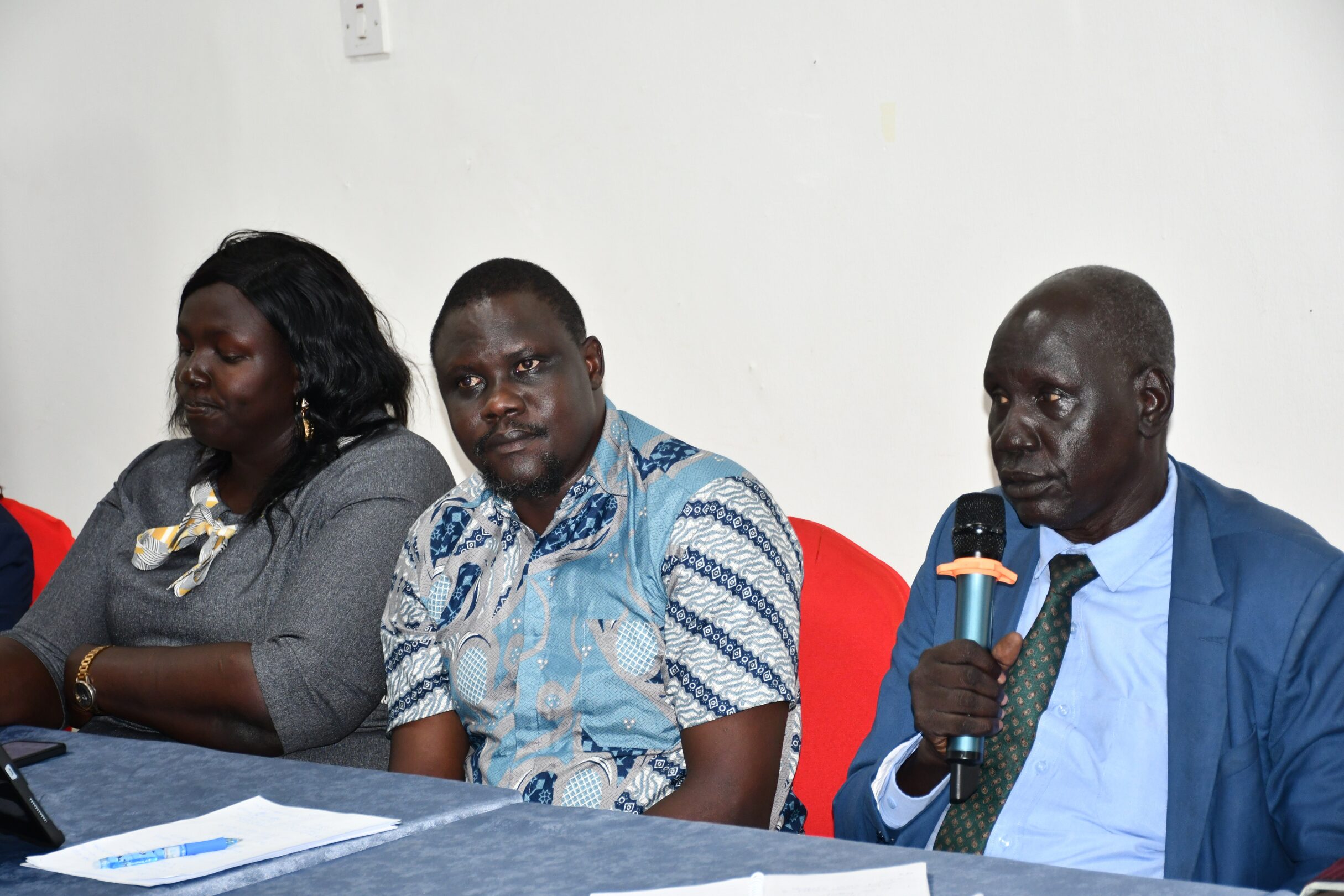
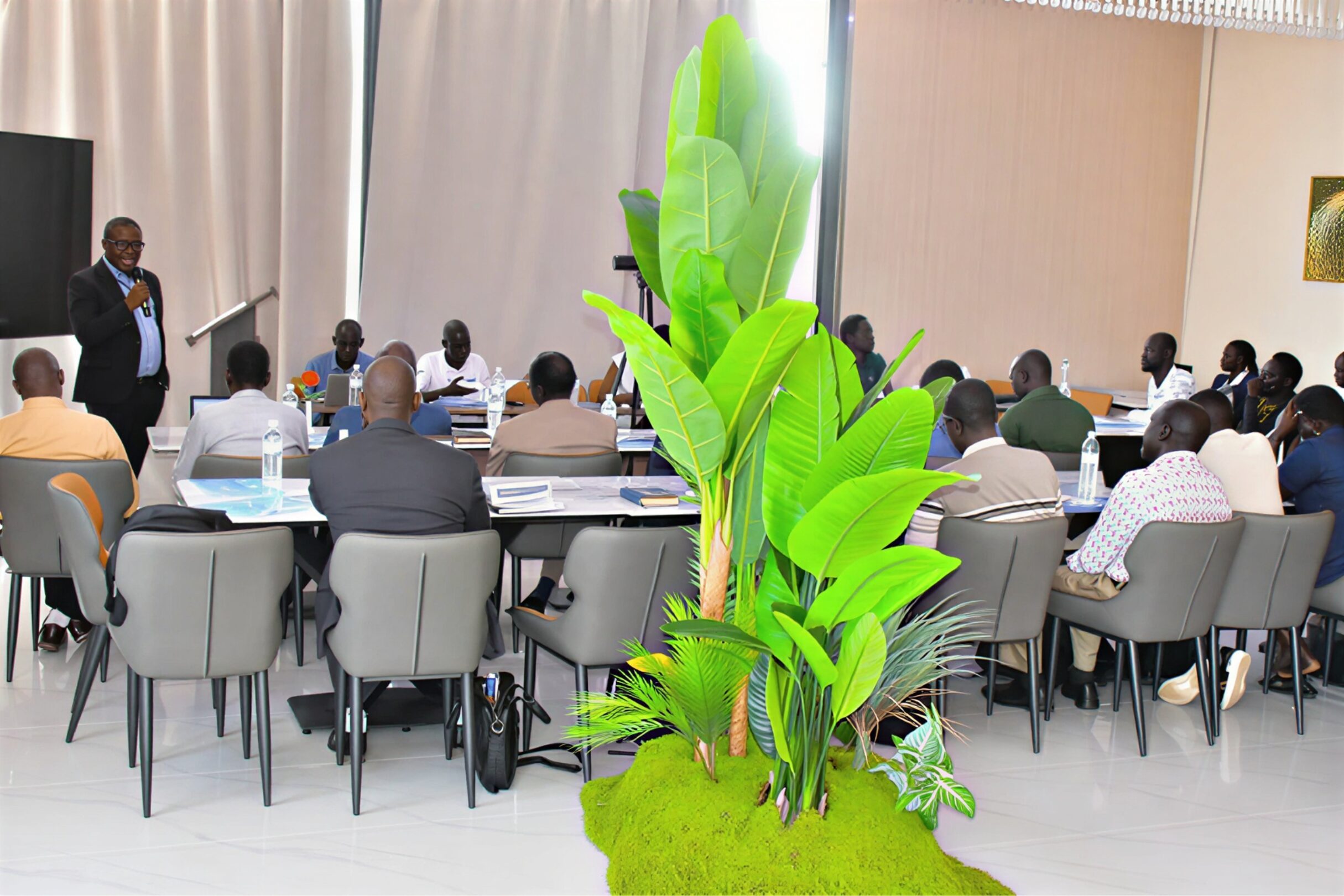
Following a validation workshop on SALF’s research findings involving 50 stakeholders—including representatives from the National Elections Commission (NEC), Parliament, government institutions, civil society and development partners—the findings were consolidated into a report on electoral preparedness, notably containing 17 priority recommendations that were verbally adopted by all stakeholders at the event.
These recommendations have informed the country’s election processes, including the Ministry of Justice’s review of electoral law amendments, as well as the NEC’s 2026–2028 Institutional Development Plan. Since the publication of SALF’s report on electoral preparedness, additional funding has been allocated to both the National Election Commission’s preparedness and readiness for the conduct of the planned national election of December 2026.
The report will continue to guide advocacy and policy reform efforts on South Sudan’s upcoming elections beyond the project’s lifetime.

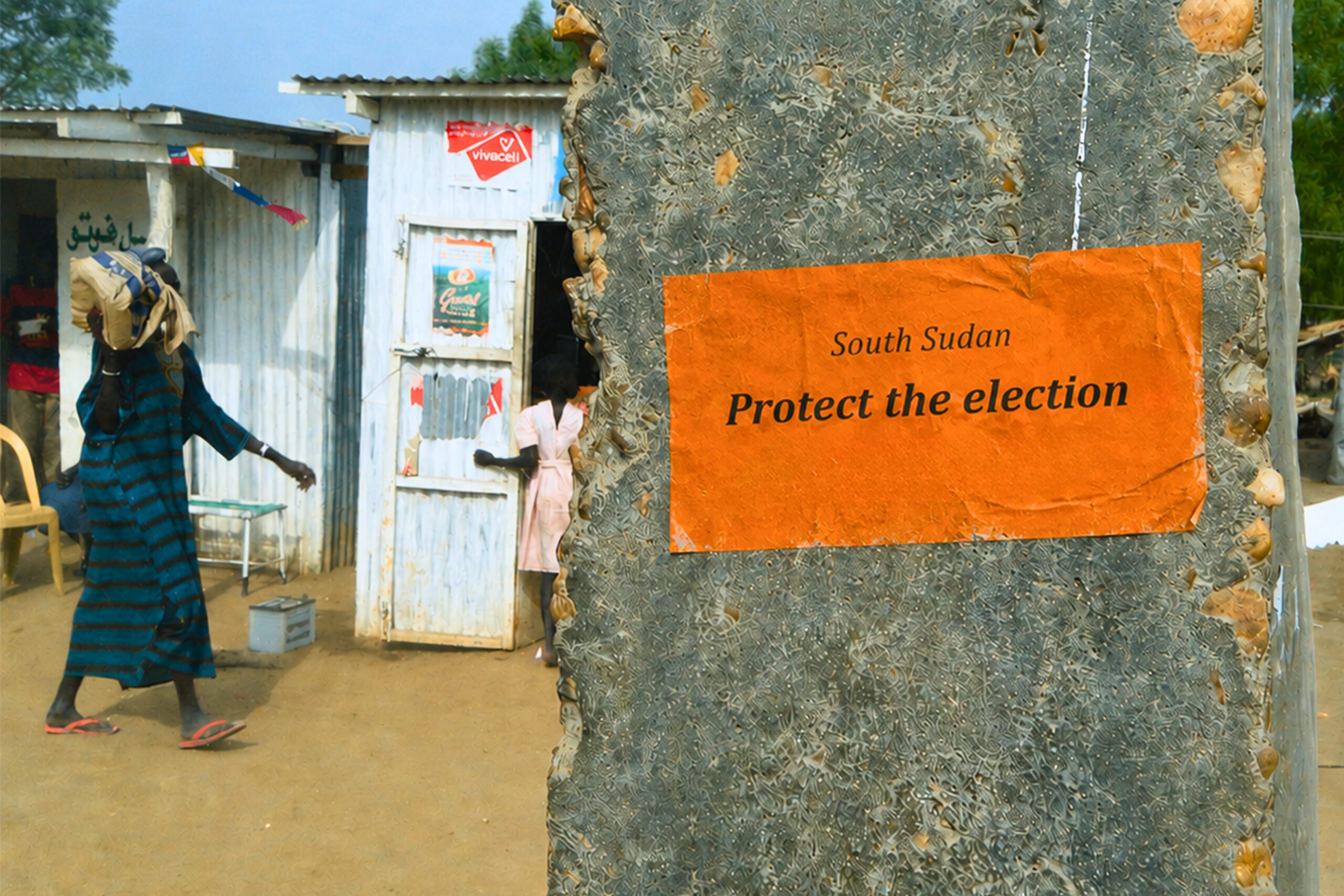
Six months remain for the country to ensure the credibility of elections.

We propose reforms to ensure the 2026 elections not only happen, but happen with integrity.

Challenges behind the postponement of South Sudan’s elections to 2026.

Subscribe to our newsletter for the latest updates on electoral integrity efforts in Africa
This will close in 0 seconds
