As South Sudan moves towards its first national election, the question is becoming harder to ignore: is the country ready? With 22 December drawing closer, the answer lies in more than whether polling stations will open or ballots will be printed. It lies in whether citizens have the information to participate, whether institutions are prepared to deliver a credible process, and whether people can vote in an environment where they feel able to make their voices heard.
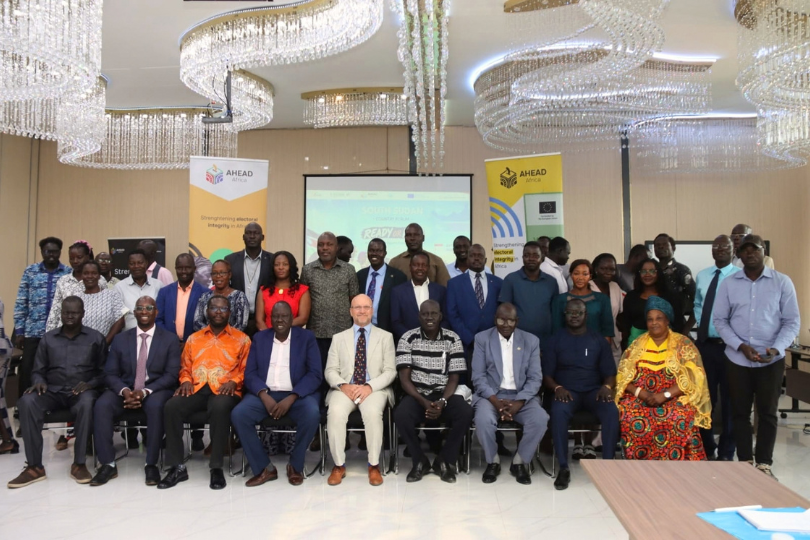
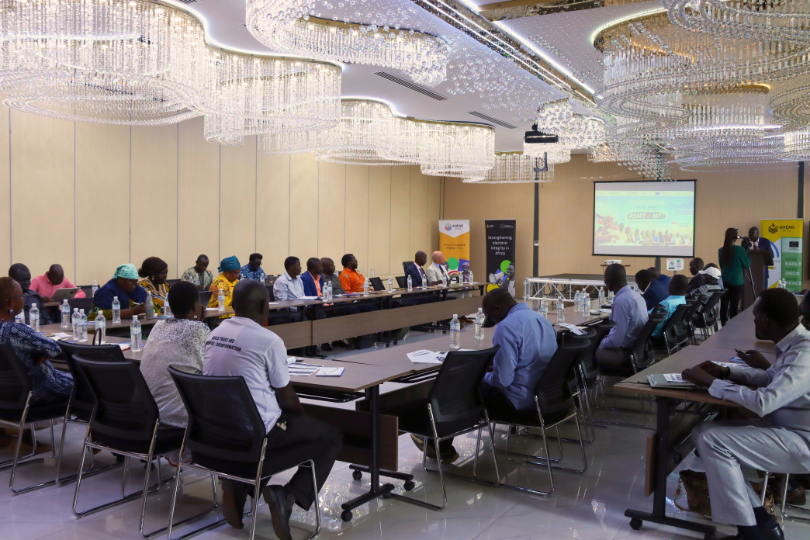
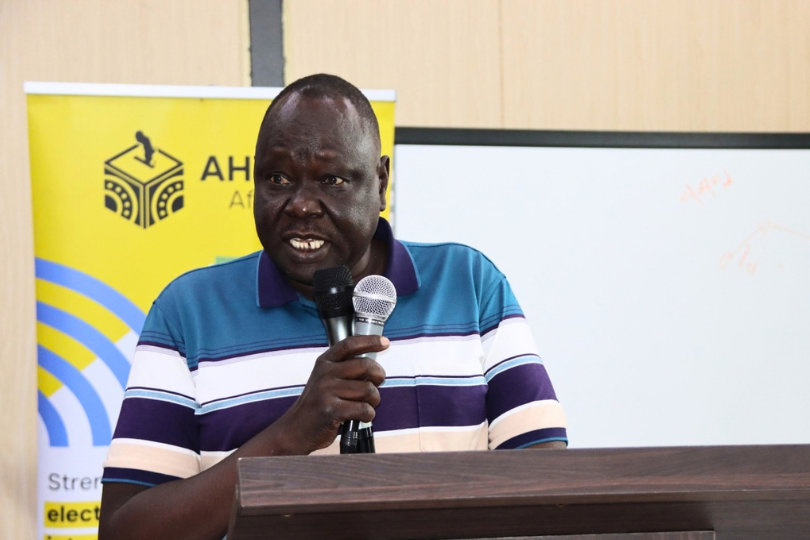
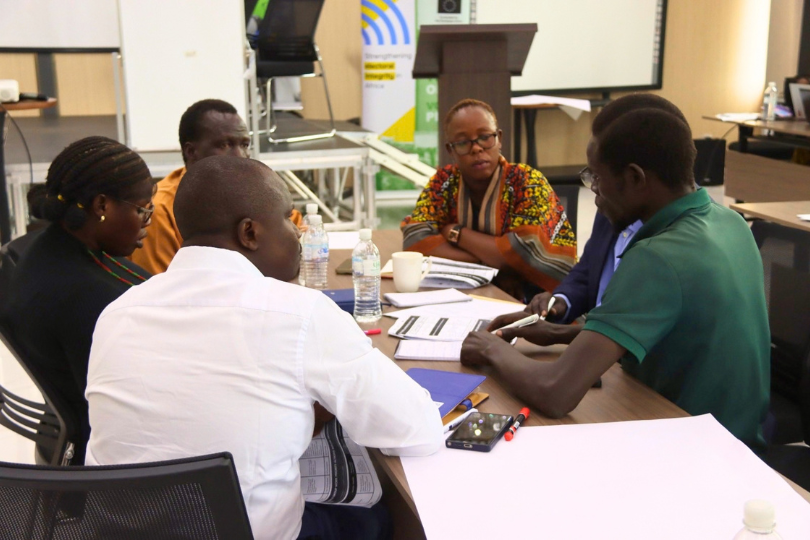
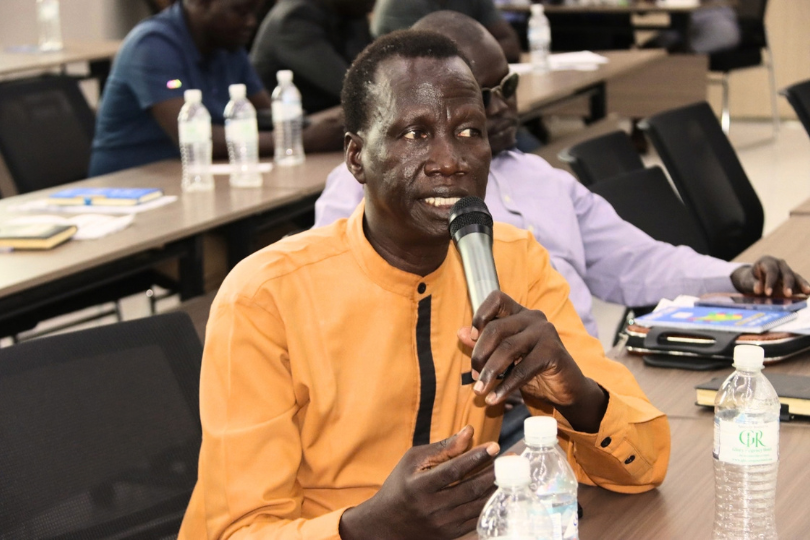
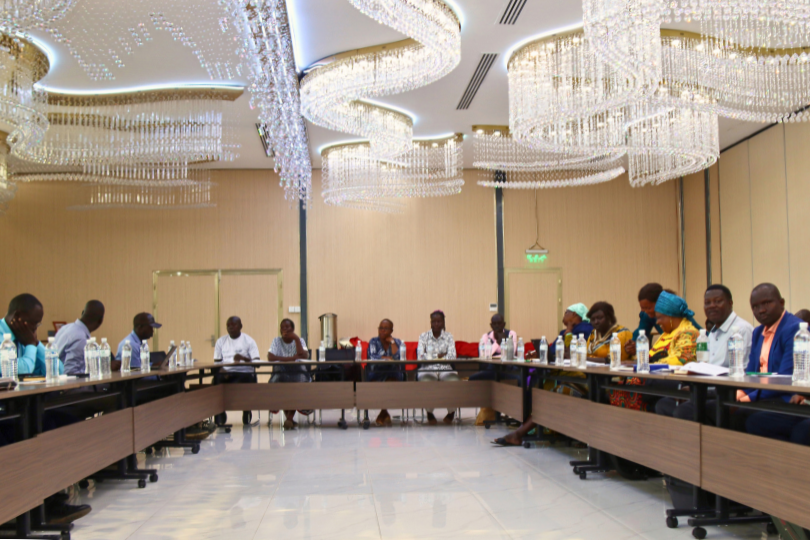
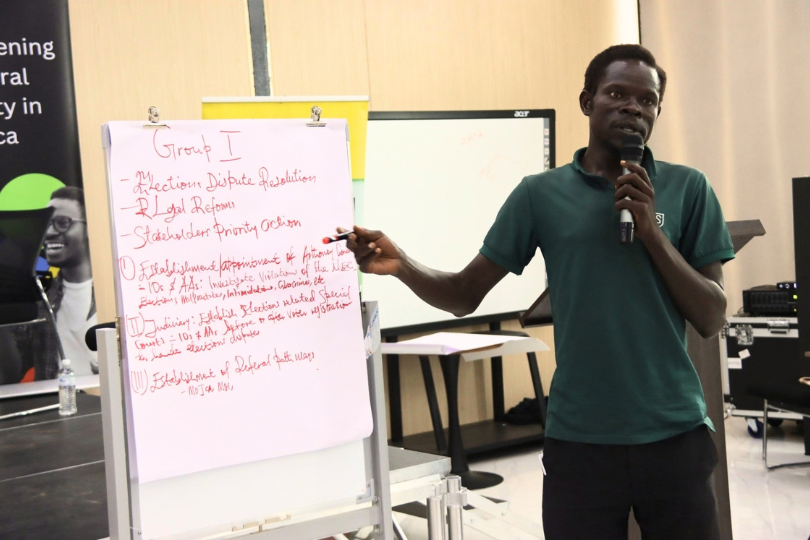
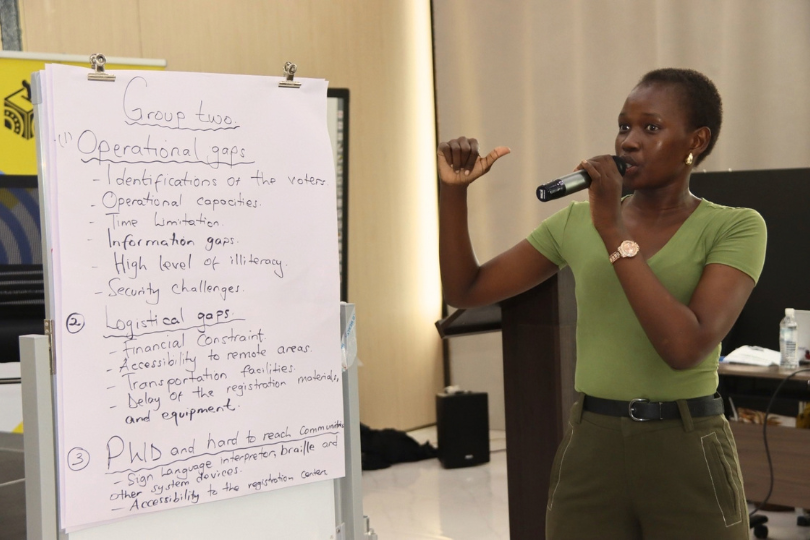
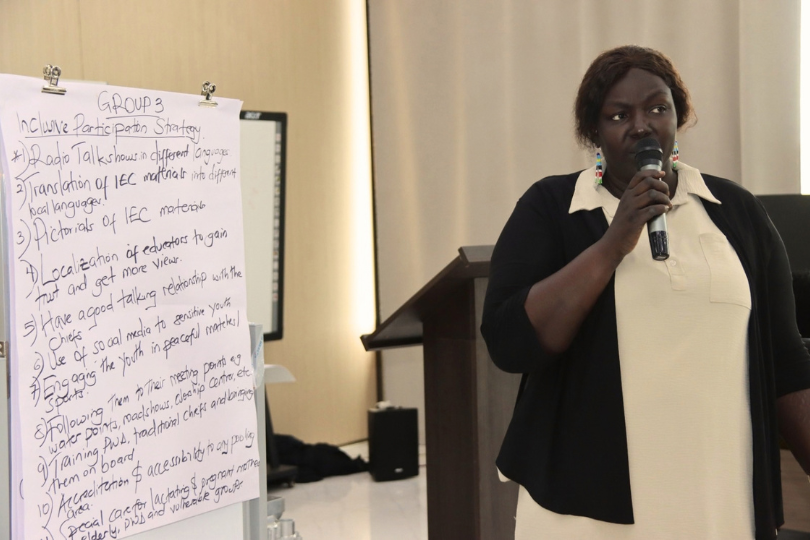
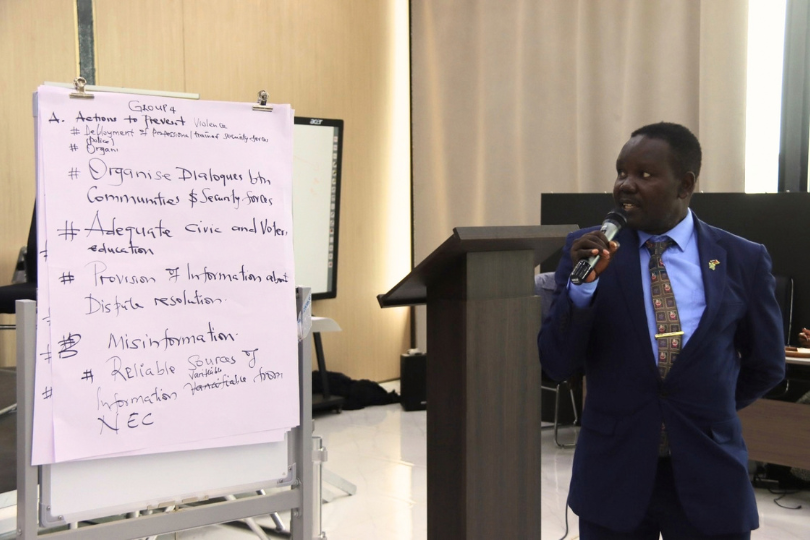
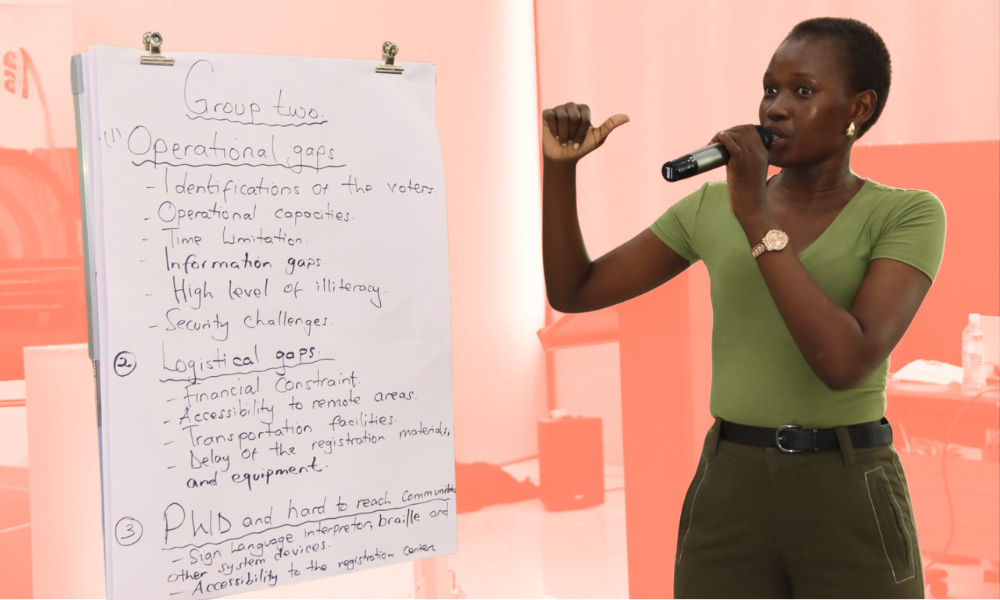
From 23 to 24 September 2026, the South Sudanese Network for Democracy and Elections (SSuNDE) and the East and Horn of Africa Election Observers Network (E-HORN) brought stakeholders together in Juba for the 2nd South Sudan Country Forum, organised as part of the EU co-funded AHEAD Africa project.
Building on the commitments made at the first edition of the Country Forum in 2024, the two-day gathering took a closer look at what has changed and what still needs to happen from institutional and electoral preparedness to security, inclusion, information integrity and citizens’ engagement, putting the practical realities of the election under the spotlight.
The timing of the event came as the Transitional Government established under the Revitalised Agreement on the Resolution of Conflict in the Republic of South Sudan (R-ARCSS) reached the end of its mandate, in line with the peace framework’s requirement that it be dissolved three months before the scheduled elections. Meanwhile, preparations were continuing for an electoral process covering 102 national constituencies, with 39 political parties reported as fully registered as of 1 July 2026.
Yet the conversation in Juba was not confined to South Sudan alone. Participants drew lessons from across the East and Horn of Africa, sharing practical experiences from recent elections — from Election Situation Rooms and media monitoring to information integrity and election observation — and considering what could be adapted to South Sudan’s own context. The Forum ultimately brought the focus back to a simple but consequential idea: an election is not ready simply because a date has been set. It is ready when citizens have the information, space, security and means to participate in it. And for South Sudan, the foundations being laid now will matter long after the ballots have been counted.
Because a first election is not only about choosing leaders. It is also about setting the foundations for the democracy that follows.
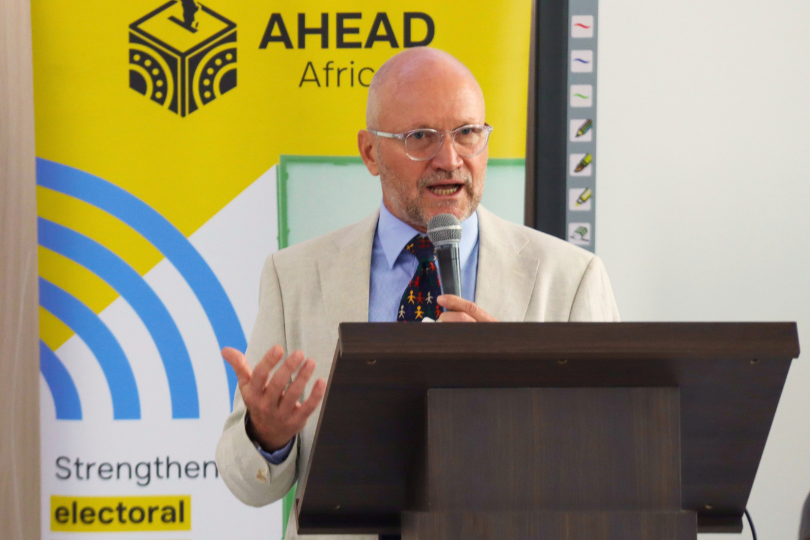
The Standard Action Liaison Office (SALF) presented its study at the Country Forum, offering one telling snapshot: only 55% of the population says they would “definitely participate” in the elections. Against this backdrop, H.E. Pelle Enarsson, Ambassador of the EU to South Sudan, highlighted the important role civil society can play in supporting democracy: “Through their work, voters are educated to make informed decisions, and without observers, it would be difficult to assess electoral activities.”
Additional resources
Pictures on the South Sudan Country Forum II