- Voter registration resulted in 7,203,390 registered voters, including 4,114,720 women (57%) and 137,925 persons with disabilities (~1.92%).
- Nomination fees for women, youth, and persons with disabilities were reduced by 50%, encouraging broader participation in candidate registration.
- Dialogue and national reconciliation helped reduce political tensions and promote a peaceful electoral environment.
- Polling stations opened largely on time with essential materials and officials, though minor delays occurred due to biometric system glitches.
- Biometric Voter Identification System (BMVIDS) was used for voter verification; technical issues occurred at some polling stations but were quickly resolved.
- Priority voting measures were implemented for elderly voters, persons with disabilities, pregnant women, and nursing mothers.
- Voting was peaceful and orderly, with voters queuing patiently and casting ballots without major disruptions.
- Election officials generally followed procedures, including identity verification, ballot handling, and counting.
- Security forces maintained a presence at polling stations, contributing to a calm and safe environment during elections.
- Insufficient campaign finance transparency, inadequate signage and voter guidance at some polling stations, and limited legal provisions to facilitate inclusion of youth, women, and persons with disabilities.
Malawi
16 September 2025
Powered by AHEAD Africa, elections in Malawi were monitored by…
Resources
Election Observation Mission Report | ESN-SA and ZESN [EN]
Preliminary Statement | ESN-SA and ZESN [EN]
Arrival Statement | ESN-SA and ZESN [EN]
Data Digest and Insights | ESN-SA [EN]
Election Observation Mission Preliminary Statment | African Union and COMESA [EN]
Recommendations
Based on our reports above and classified by thematic areas
Management and Procedures
- Install clear signage so voters can easily find their polling stations.
- Strengthen the reliability of the biometric voter identification system to avoid delays during voter verification.
- Upgrade lighting and infrastructure at polling stations, especially in rural areas, to ensure safe vote counting after dark.
Competition and Transparency
- Establish and enforce clear rules to monitor how political parties and candidates raise and spend money during elections.
Inclusion and Participation
- Provide financial support and mentorship for women, youth, and persons with disabilities who want to run for office.
- Ensure polling stations are accessible to persons with disabilities, including wheelchair users and persons of short stature, and provide sign language interpretation where needed.
- Sustain continuous voter registration and civic education throughout the electoral cycle.
- Conduct outreach in areas with low voter turnout to encourage participation.
Global Norms
- Introduce legal measures to ensure a minimum level of women’s representation in Parliament and local councils.

Main Findings
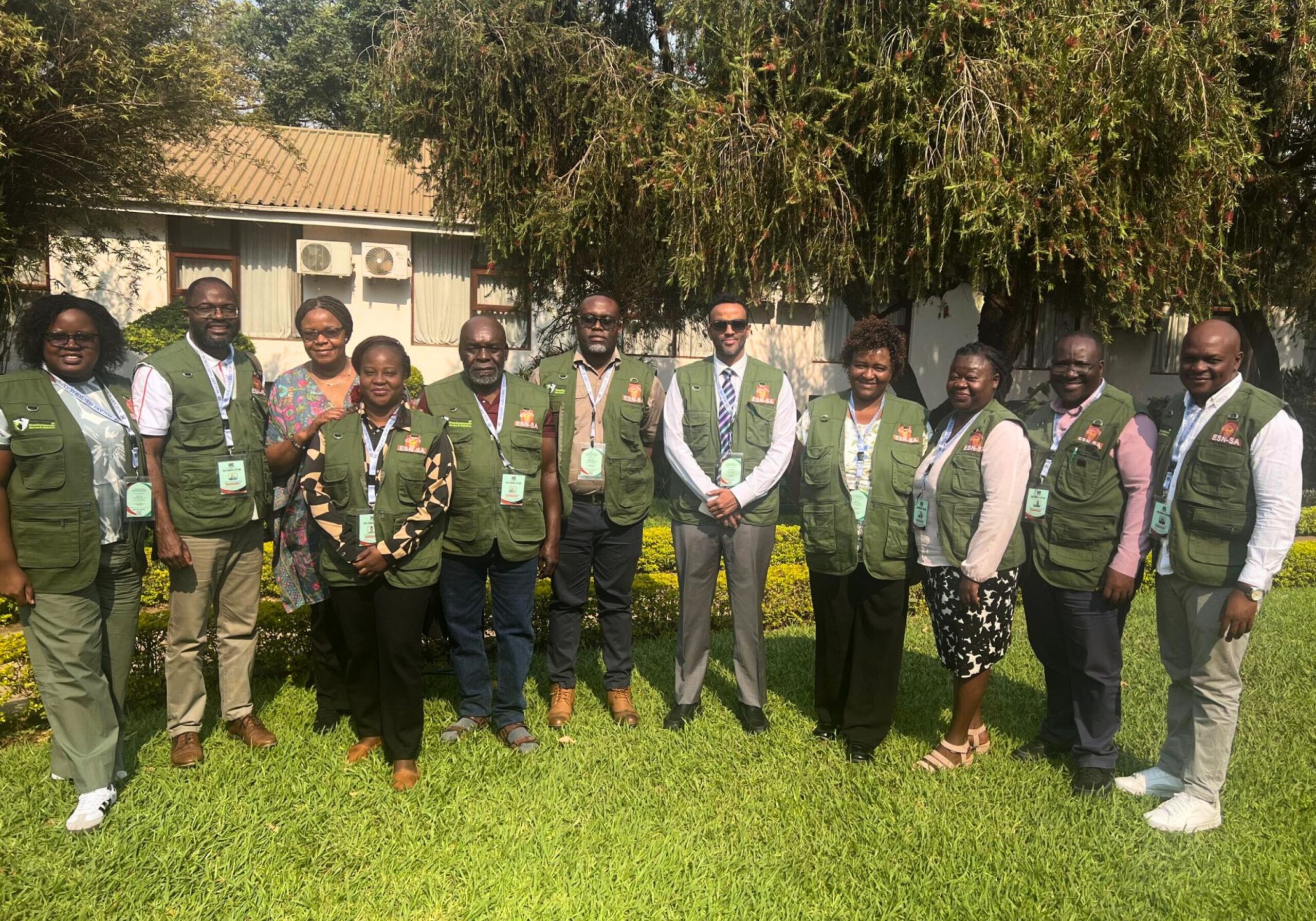
Pictures on the mission
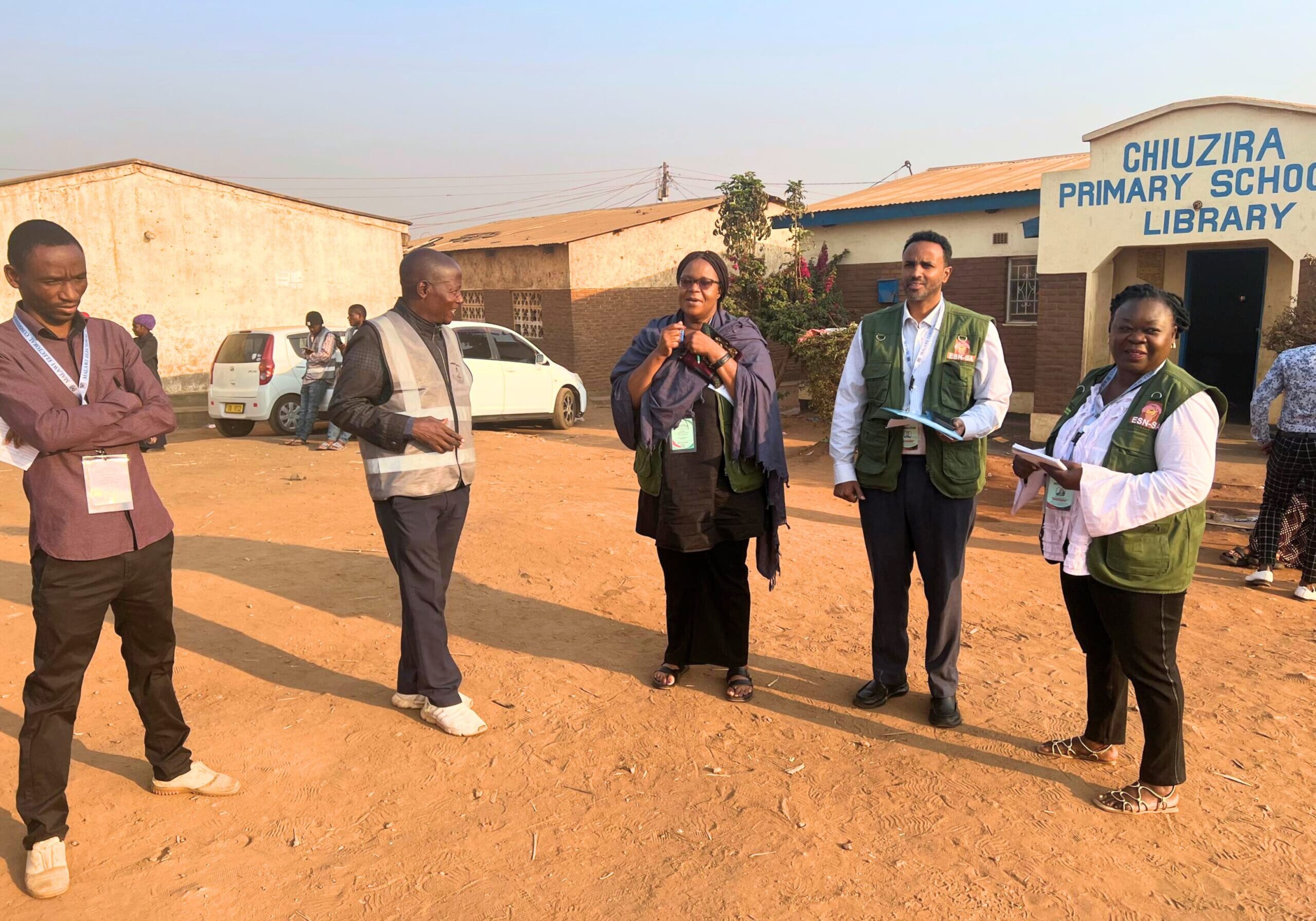
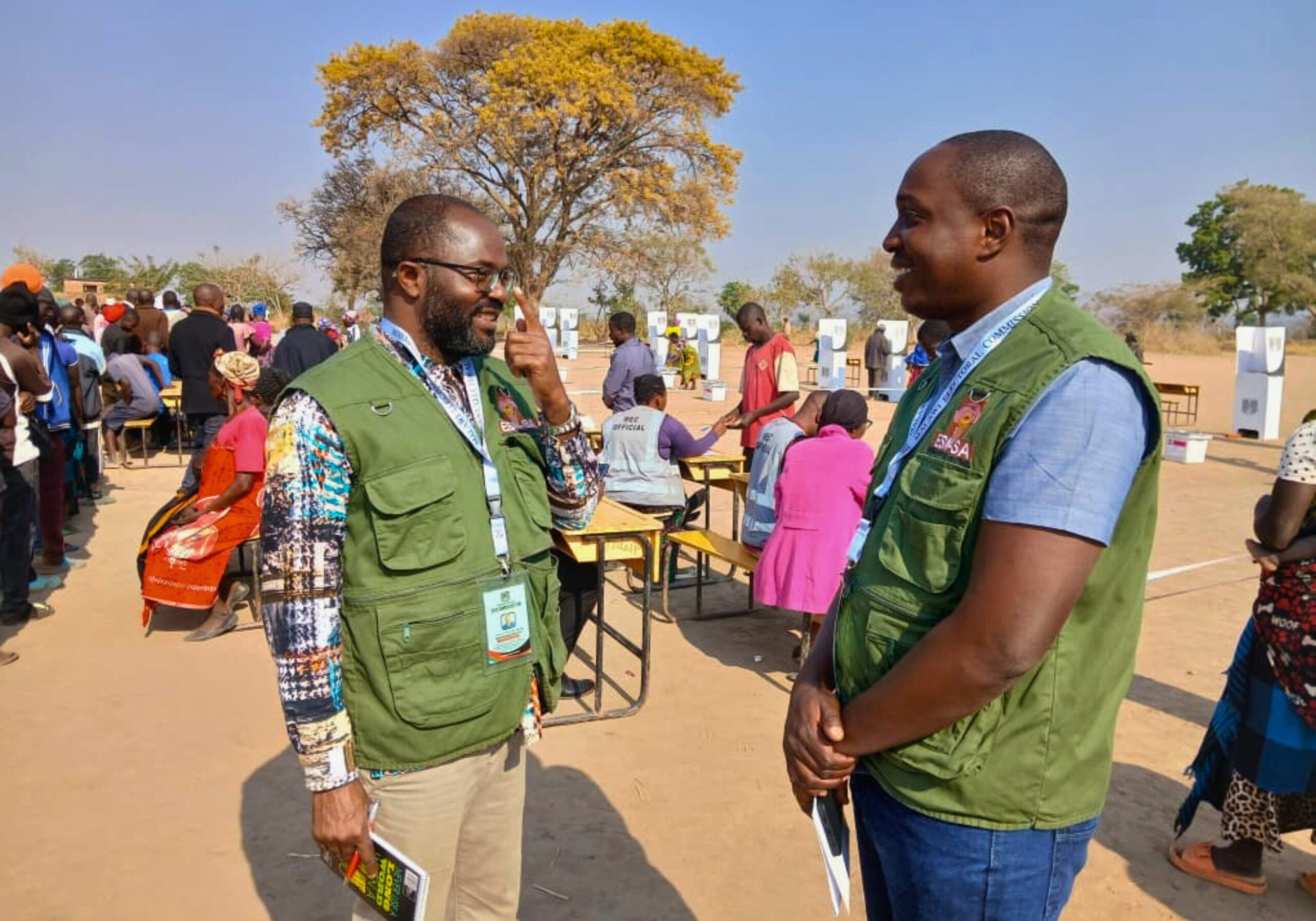
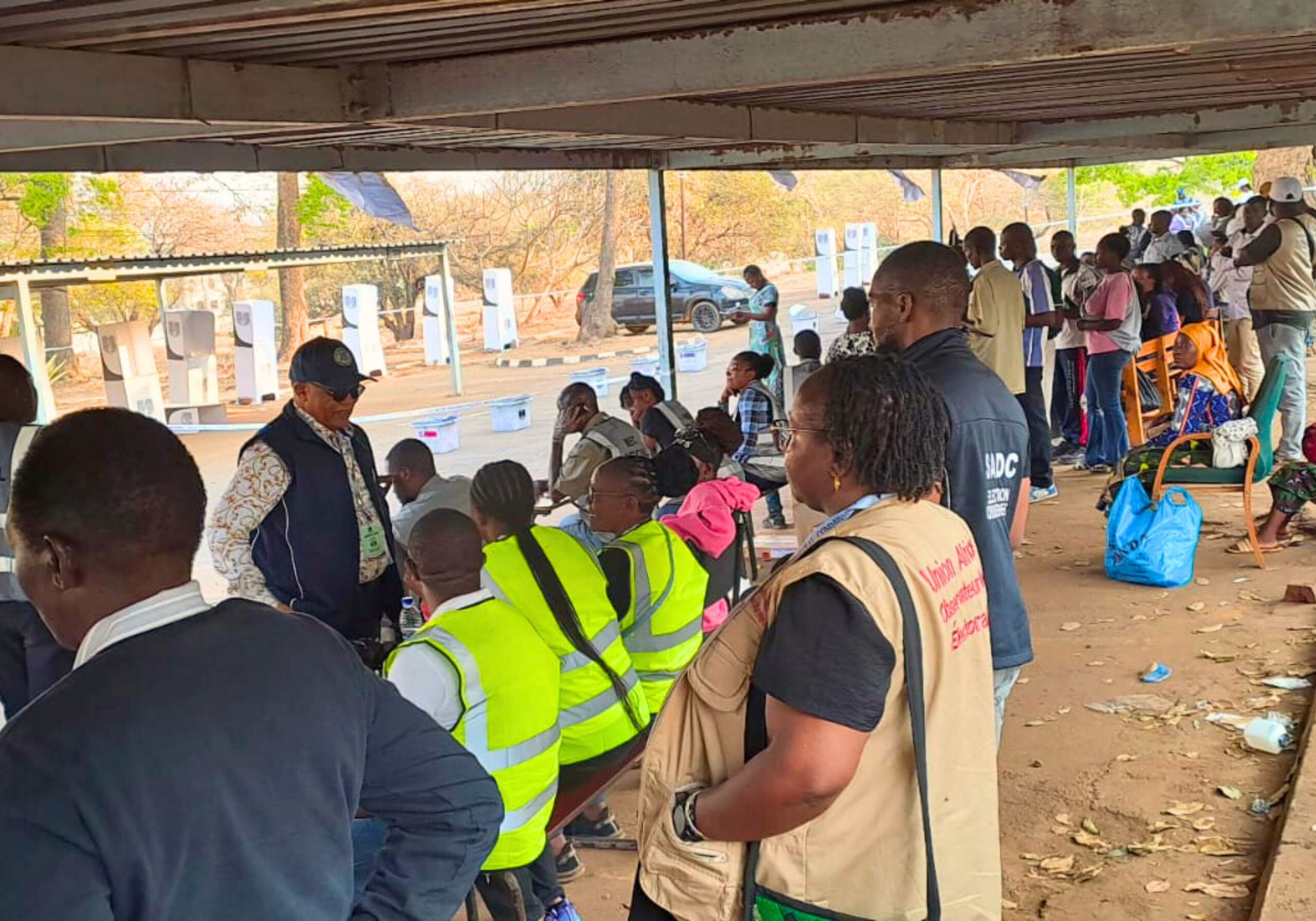

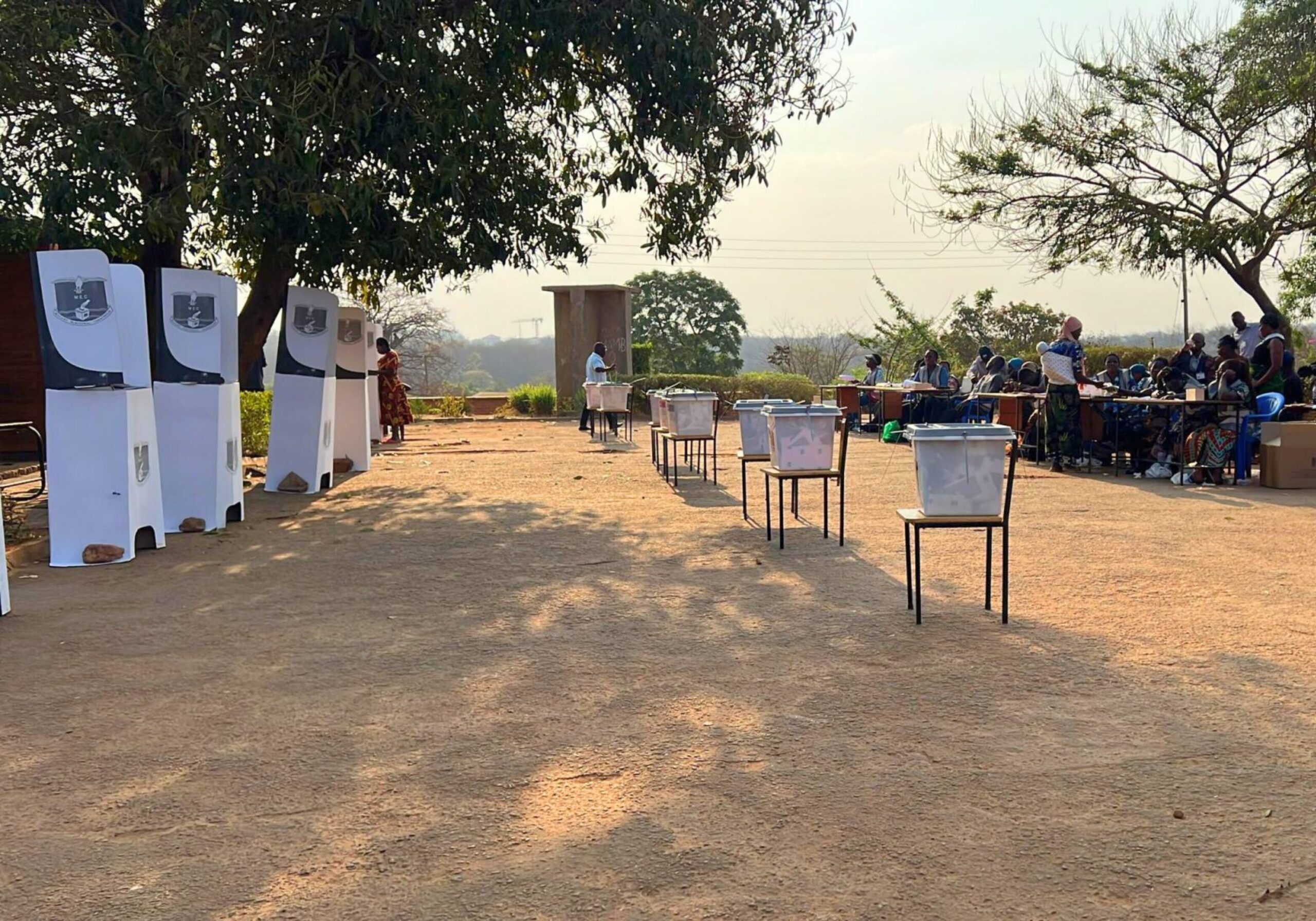
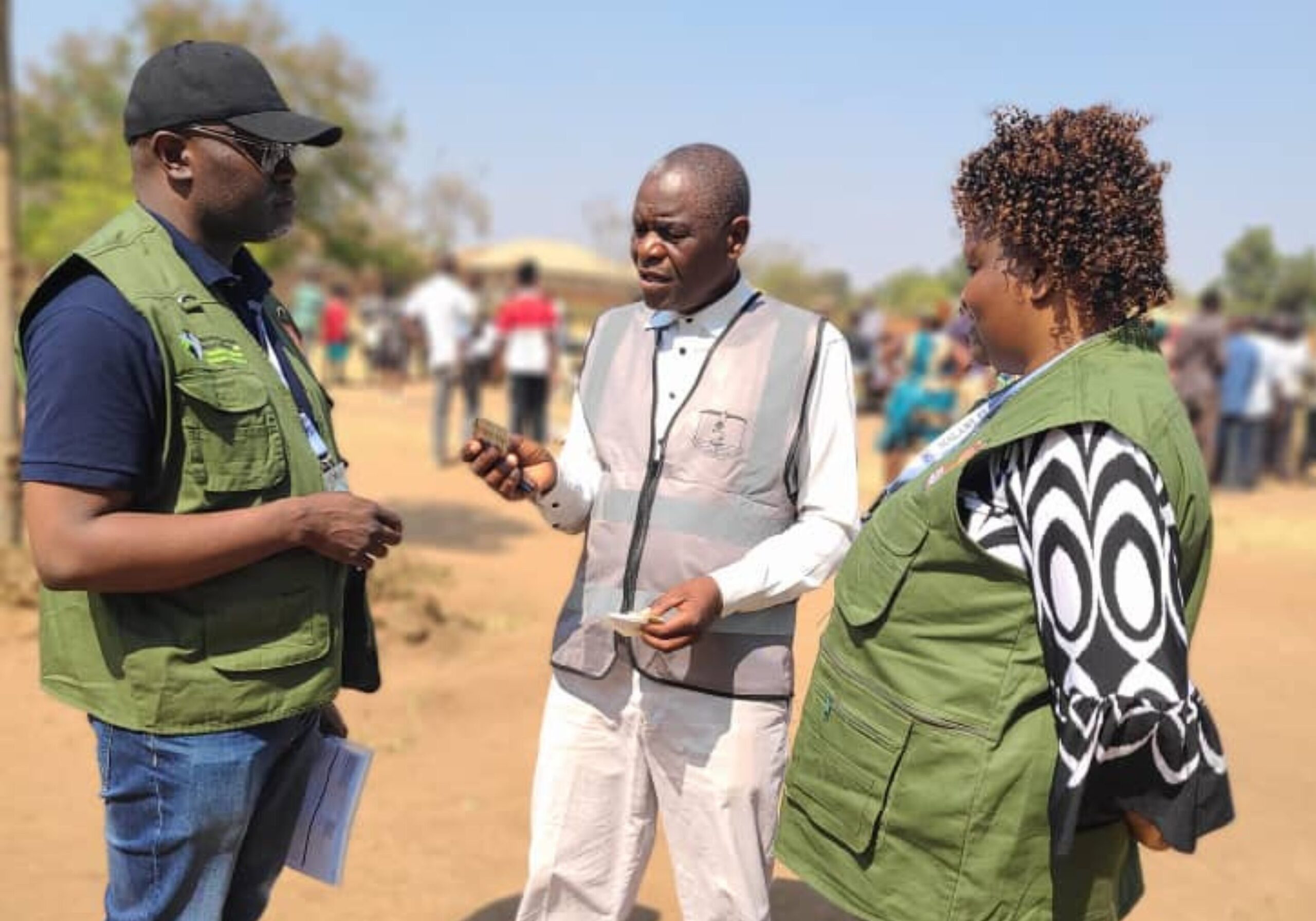
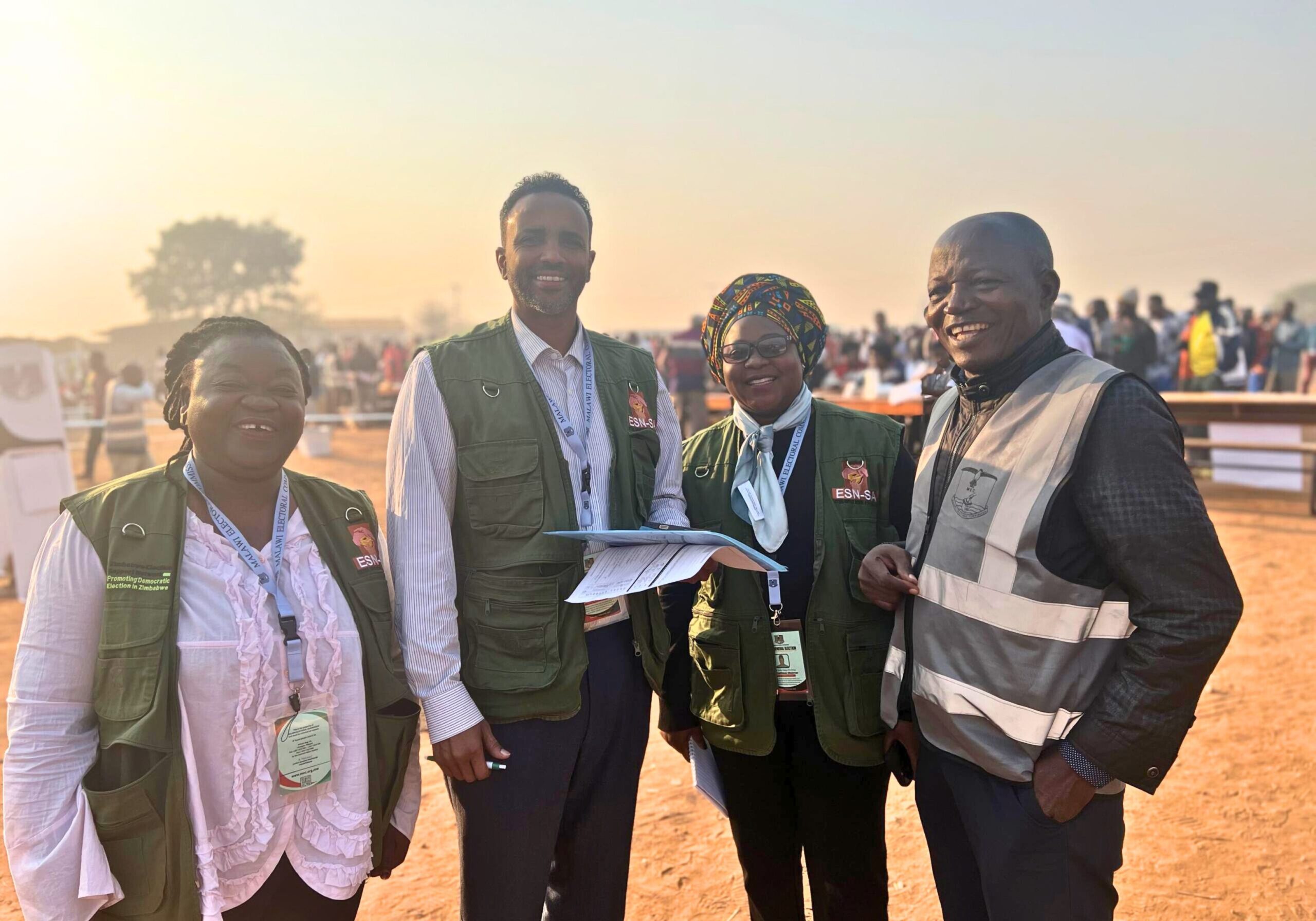
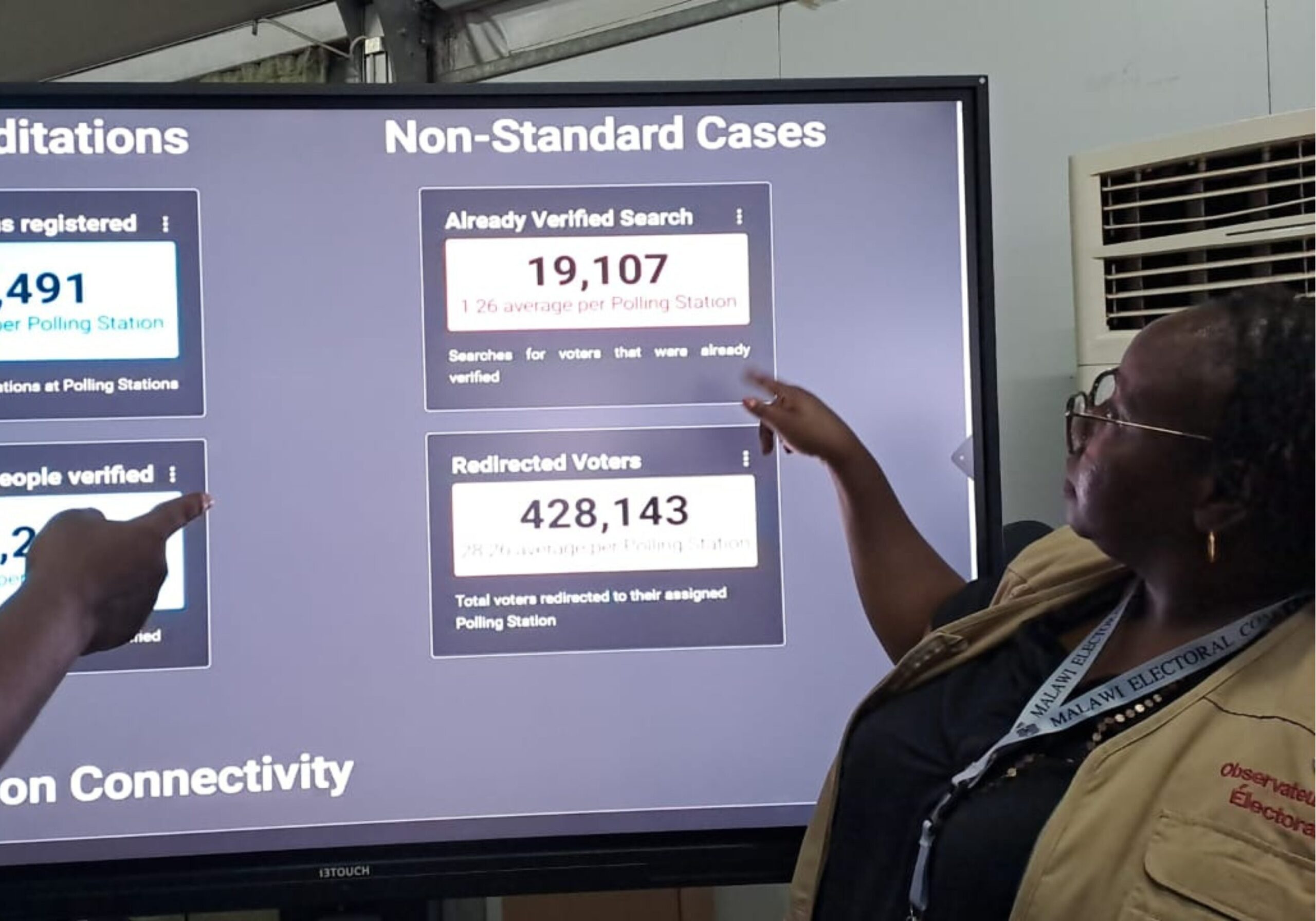
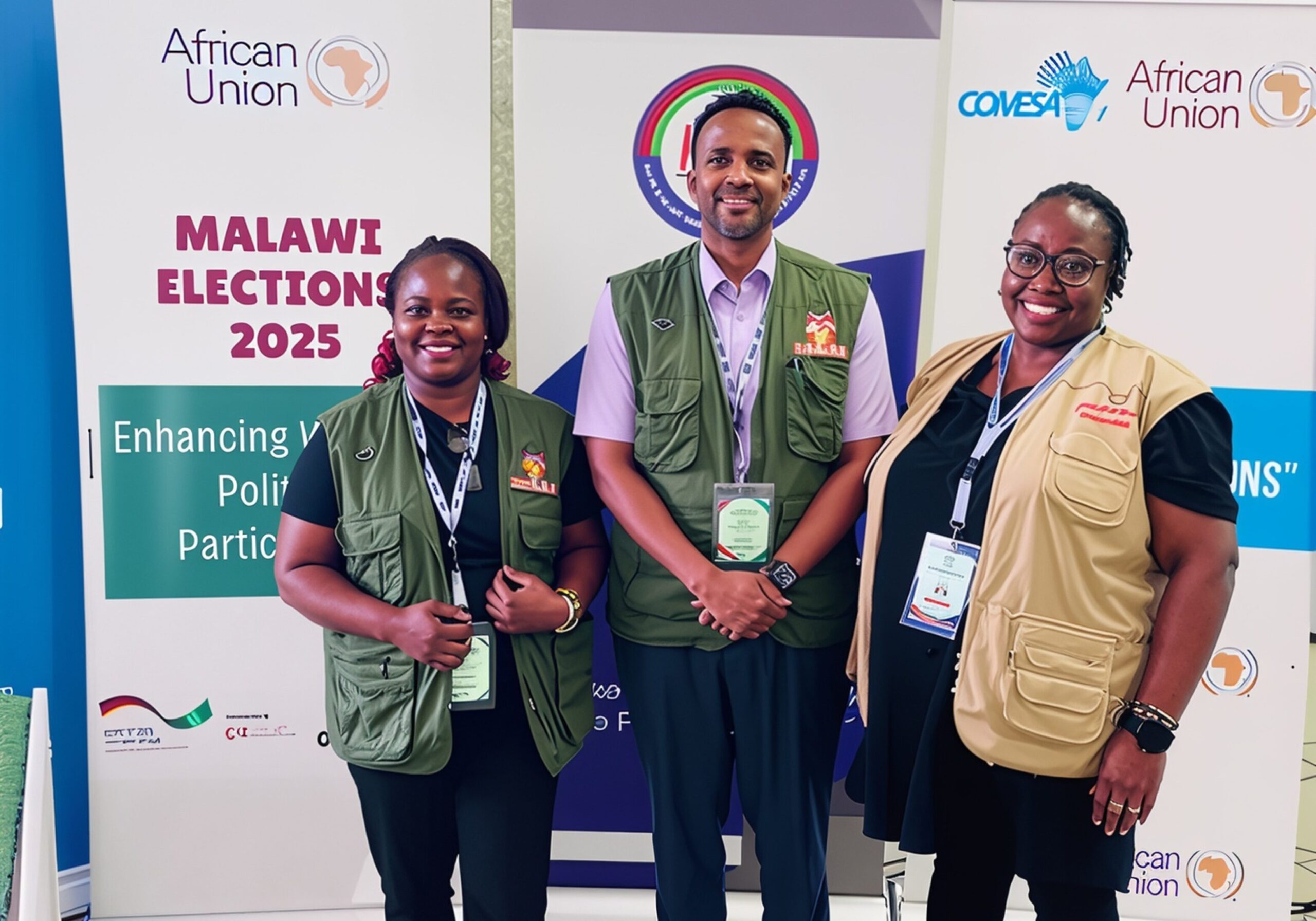
Discover all elections we support
Zambia
13 August 2026For the first time in Zambia's history, the 2026 elections will reserve 40 parliamentary seats for women, youth, and persons with disabilities, making the next Parliament the country's most inclusive ever.

Ethiopia
01 June 2026Ethiopians headed to the polls to choose 547 candidates to represent their needs. Observers from E-HORN and CEHRO monitored, learned from, and documented the process. What lessons were drawn from this election?

Benin
11 January 2026Weeks after a failed coup attempt in December 2025, Benin’s January 2026 elections tested democratic resilience amid a constrained civic space and rising opposition concerns, while shaping the path to the April presidential race.
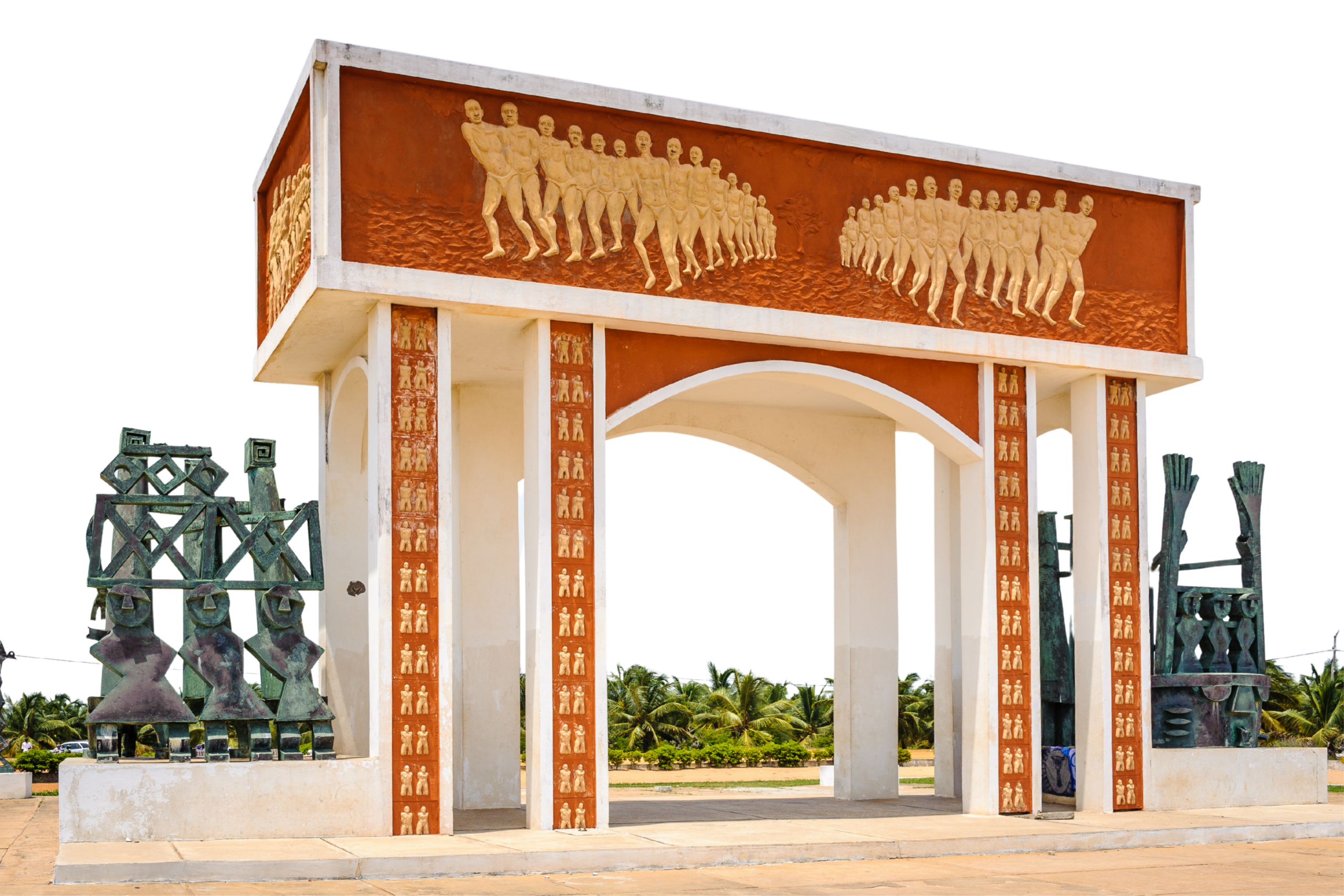
Ivory Coast
25 October 2025With Ouattara seeking a fourth term and his main rivals barred, voter enthusiasm was low. 150 observers trained by CRASC-Est, Centre, and WAEON monitored the integrity of the electoral process. What were their findings?

Malawi
16 September 2025A test for the country's democracy, following the historic annulment of the 2019 election and the fresh 2020 vote, which set a precedent for judicial independence and introduced reforms under the new 50%+1 rule.

Ghana
07 December 2024A key opportunity to consolidate democratic achievements amid regional instability, disruptions, and democratic backsliding. Ghana remains a strong example of peaceful political alternation. What did we observe?

Namibia
27 November 2024A historic moment with the election of the first woman President of the country, while opposition parties rejected the results citing technical issues during the process. What are the findings and recommendations from this election?

Botswana
30 October 2024Voters ended nearly 60 years of one-party rule, with the ruling party peacefully conceding defeat once the preliminary results were announced. What are the findings and recommendations from this election?

Mozambique
09 October 2024Elections ended in a spiral of violence marked by protests, repression, and the tragic killings of opposition figures. This election ilustrated how quickly electoral disputes can escalate when trust in the process is weak. What did we learn?
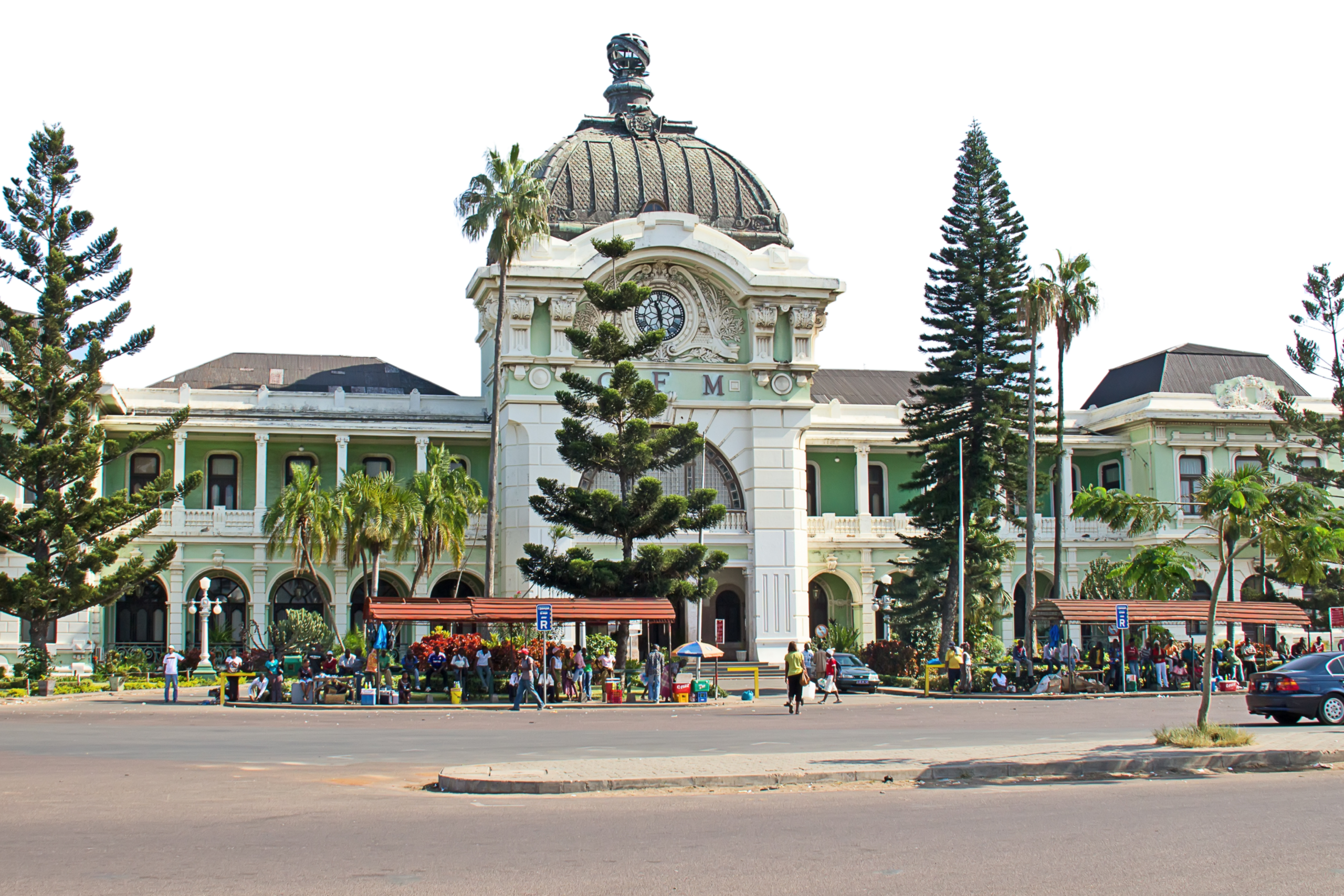
South Africa
29 May 2024A turning point, with the lowest voter turnout since the end of apartheid, raising concerns about political disengagement, trust in institutions, and democratic participation. What recommendations emerge to address these challenges?


Your one-stop-shop on Malawi elections
Default title

Stay informed with AHEAD Africa
Subscribe to our newsletter for the latest updates on electoral integrity efforts in Africa
This will close in 0 seconds

We value your privacy
Functional
Always active
The technical storage or access is strictly necessary for the legitimate purpose of enabling the use of a specific service explicitly requested by the subscriber or user, or for the sole purpose of carrying out the transmission of a communication over an electronic communications network.
Preferences
The technical storage or access is necessary for the legitimate purpose of storing preferences that are not requested by the subscriber or user.
Statistics
The technical storage or access that is used exclusively for statistical purposes.
The technical storage or access that is used exclusively for anonymous statistical purposes. Without a subpoena, voluntary compliance on the part of your Internet Service Provider, or additional records from a third party, information stored or retrieved for this purpose alone cannot usually be used to identify you.
Marketing
The technical storage or access is required to create user profiles to send advertising, or to track the user on a website or across several websites for similar marketing purposes.