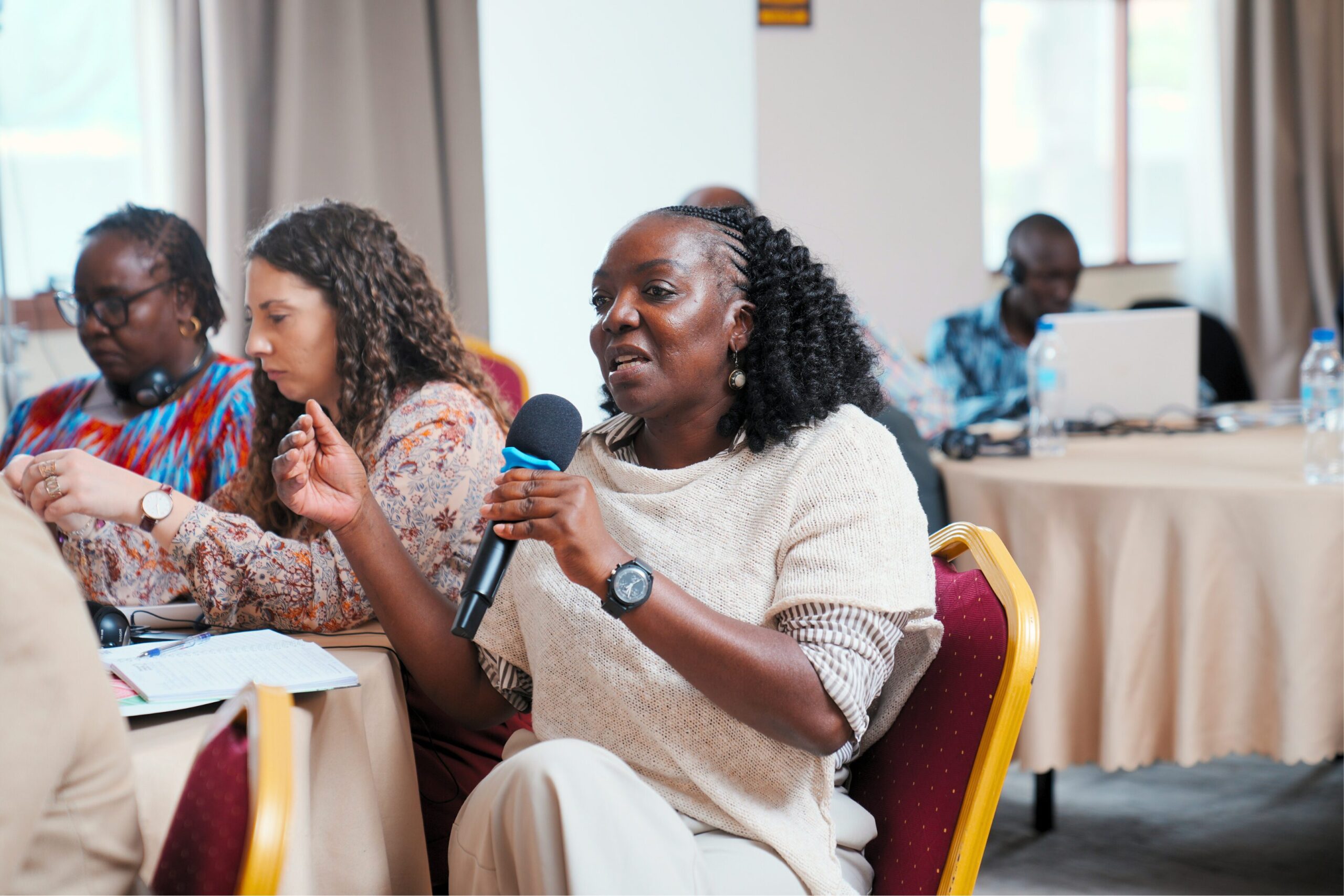
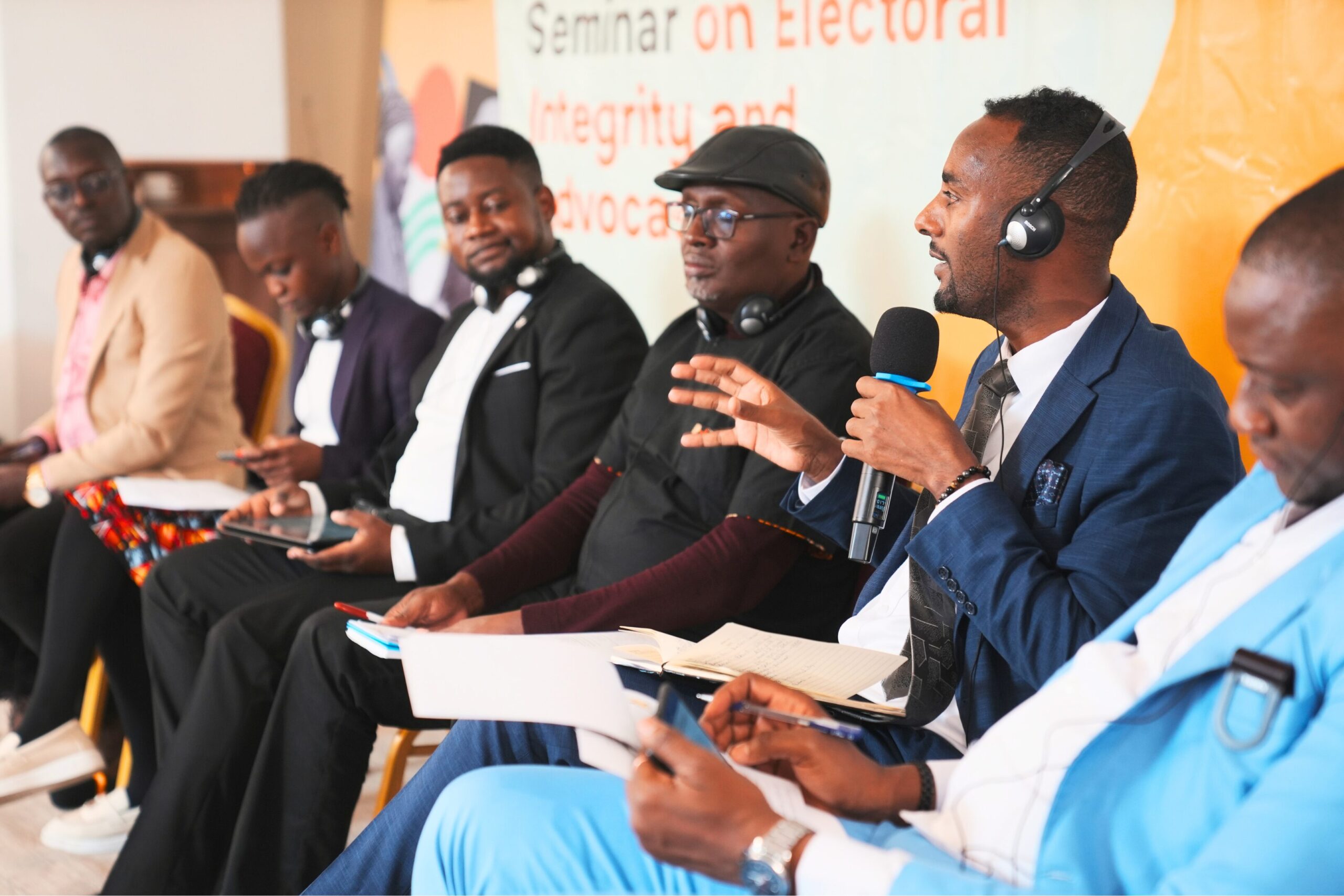
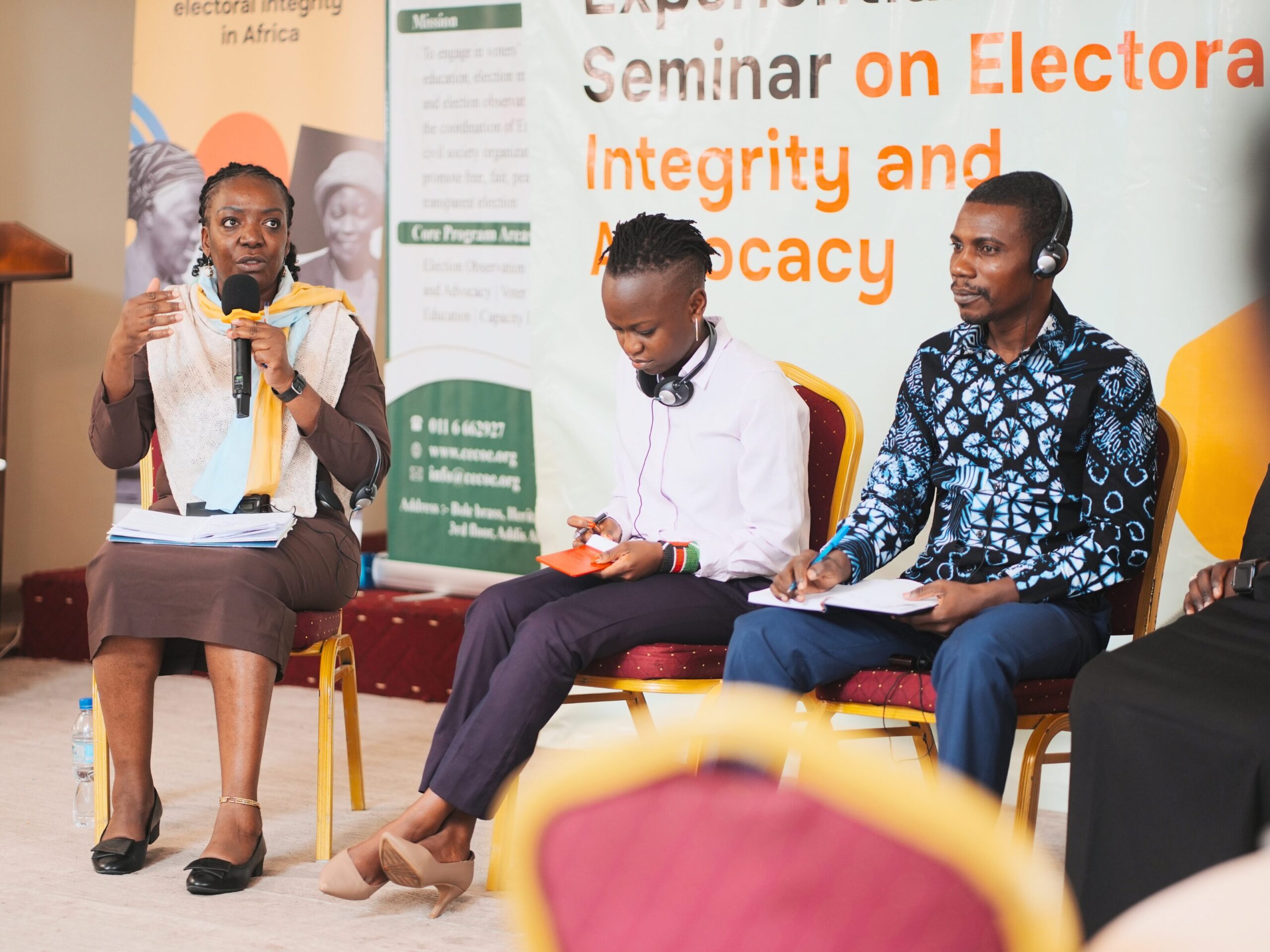
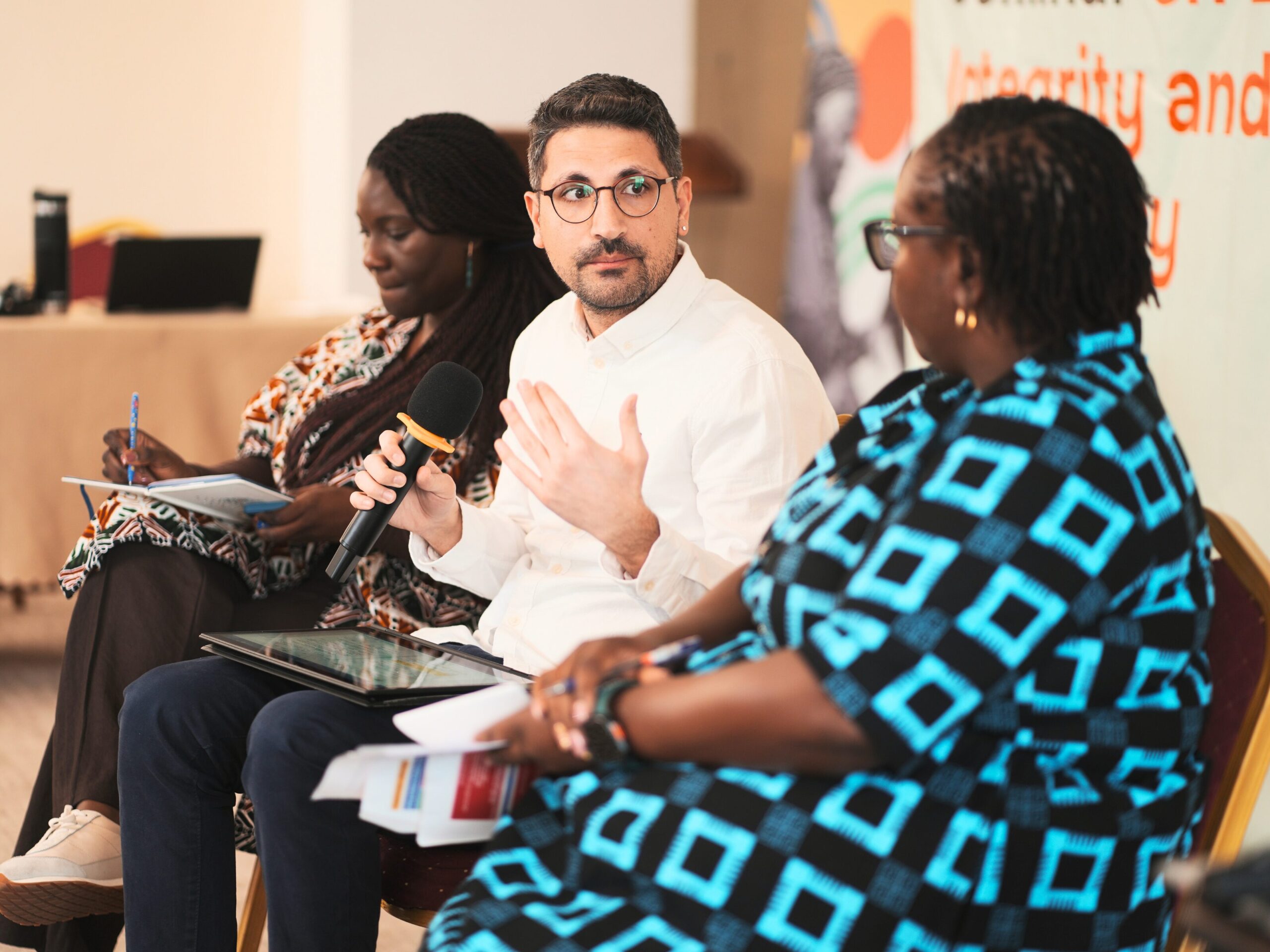
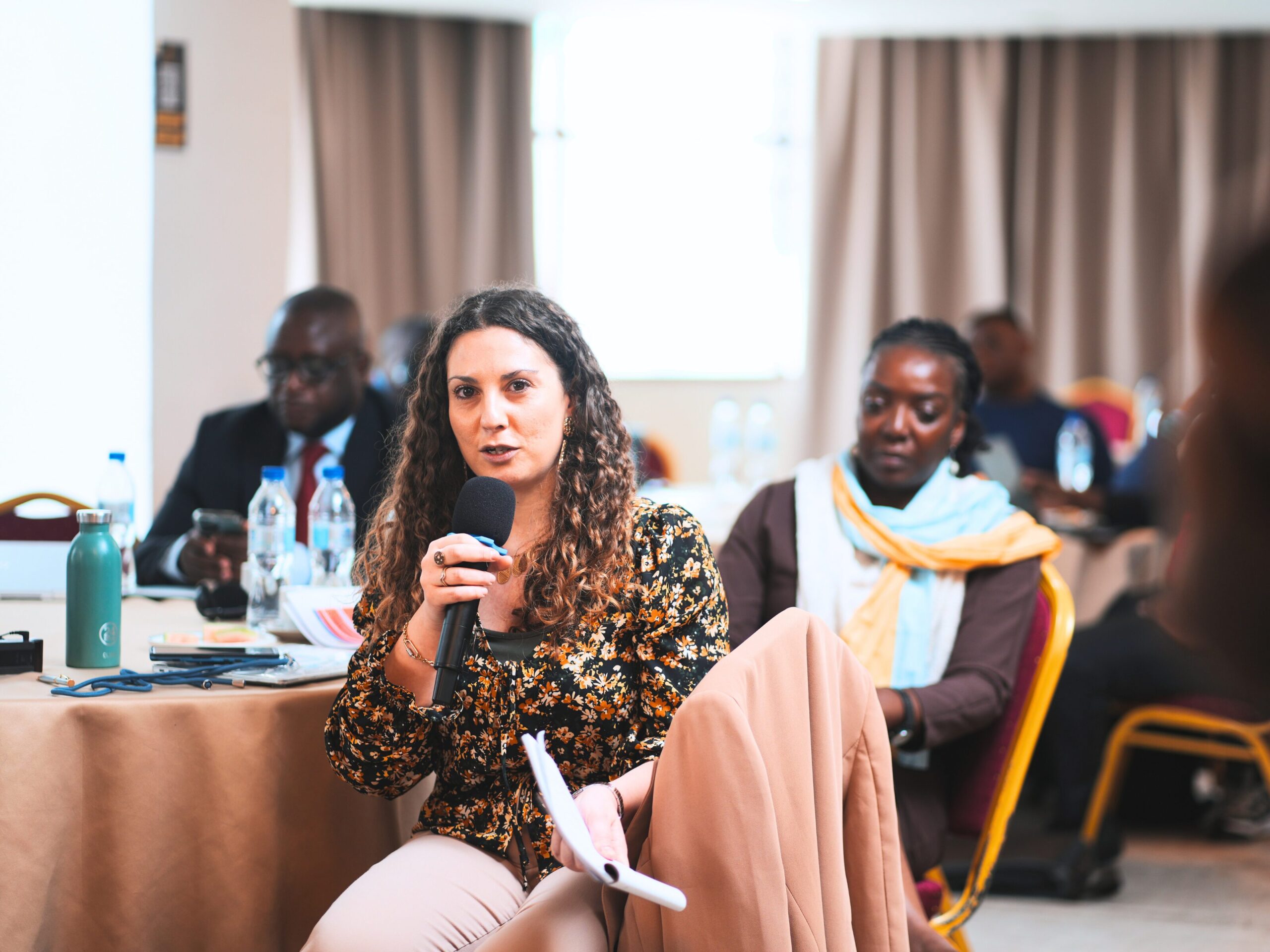
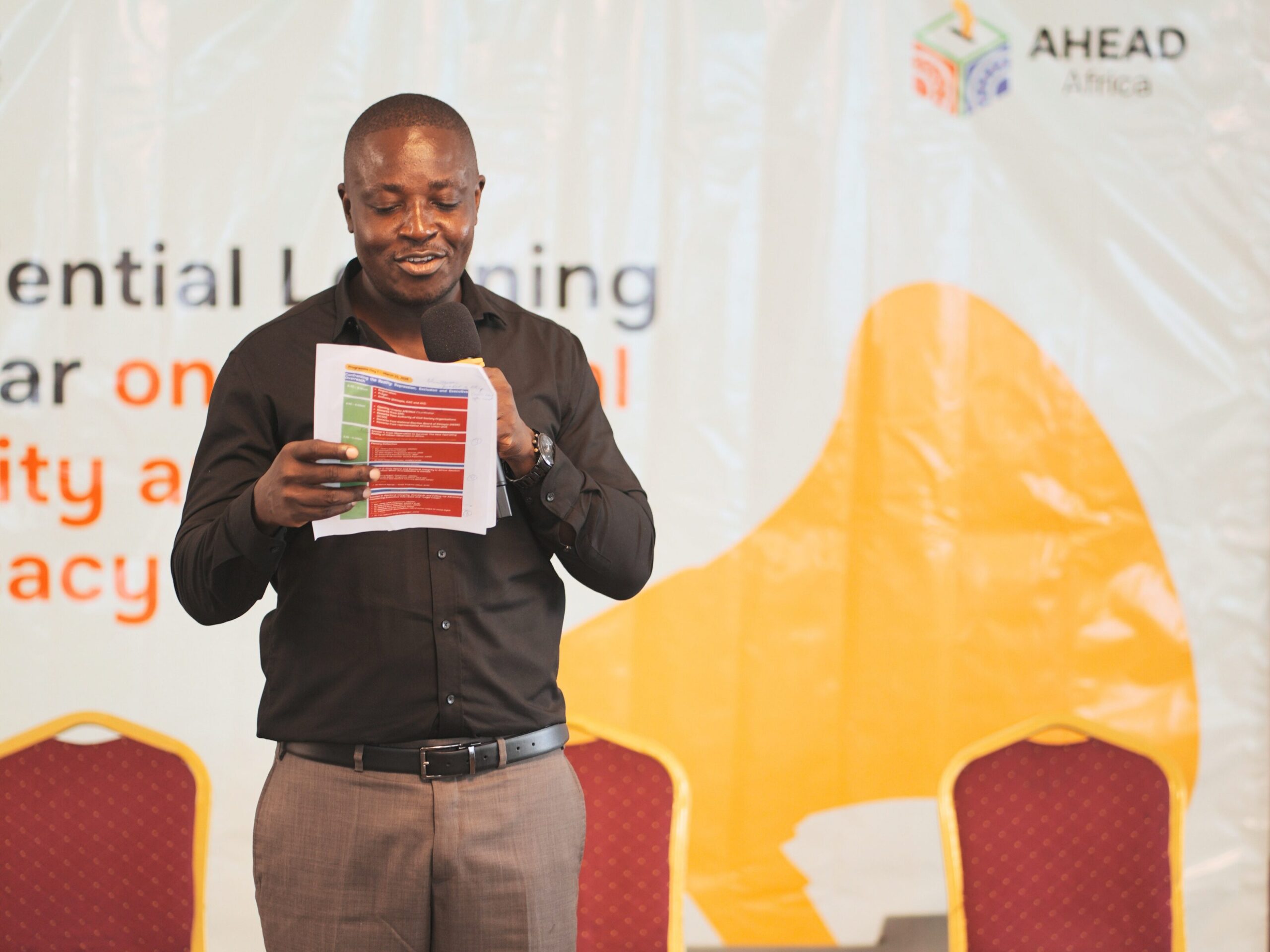
Election observers are citizens first. Who better to remind us than Dr. Sarah Bireete, from the East and Horn of Africa Election Observers Network (E-HORN) and the Global Network for Domestic Election Monitors (GNDEM), who has lived in her own skin how citizen observers are targeted by governments that treat elections as their own private playground. A pattern driven by what Ranaivo Dina from SAFIDY calls “political impunity.”
The art of election manipulation
Citizen election observation in Africa is a rare privilege. Fewer than ten African countries currently let citizens watch elections without significant interference. Imagine that. In fact, in many contexts, we should stop sugarcoating it and start talking about a “closed” civic space and no longer about a “shrinking” one, explains Henry Muguzi, Coordinator at the African Election Observers Network.
Getting to a closed civic space doesn’t just happen overnight. Election manipulation is often gradual and quietly eats away at democracy over time in favor of those in power, warns Cheikh Fall from AfricTivistes. Election manipulation wears many faces: constitutional amendments designed for political survival, public consultations that offer little more than a façade of legitimacy, internet shutdowns, as recently seen in Tanzania and Uganda. And as Tuntufye Simwimba from the Catholic Commission for Justice and Peace (CCJP) points out, the list doesn’t end there.
What’s like to be an election observer
Being an election observer in Africa can be a high risk job, especially as technology is deployed to track, censor, and intimidate them. In the Sahel and parts of West Africa, for example, cybersurveillance tools like Pegasus put observers under constant watch by security authorities. In Senegal, for example, police can listen to phone conversations from election observers on grounds of “threat to national security”. These threats, combined with limited financial support, are pushing many potential observers away, warns Ellen Dingani from the Electoral Support Network for Southern Africa (ESN-SA).
Still, citizen observers continue to step forward, but first, they must clear the hurdle of accreditation. Once seen as the gold standard of legitimacy, accreditation is increasingly being used as a tool of exclusion rather than a formality, notes Marcus Agenga from E-HORN. While citizens shouldn’t even need permission to observe their own elections, insists Mulle Musau from E-HORN. And even officially accredited observers aren’t always safe, warns Perry Aritua from the Women’s Democracy Network recalling the recent elections in Uganda.
A need to flip the narrative
How the state sees observers matters. Too often, authoritarian regimes increasingly paint them as criminals and label observers as lawbreakers for exposing irregularities, notes Abel Yves Bassa from the Cadre d’Appui aux Processus Electoraux Benin. Recognition and respect for their role is the first step toward free and fair elections. In that regard, reframing them not as offenders but as defenders of democracy is essential, says Nerima Wako from Siasa Place.
Election observers are not the problem, they are the solution. In line with this, for the upcoming June elections in Ethiopia, the National Election Board of Ethiopia (NEBE) has accredited over 169 CSOs to provide civic and voter education, and more than 45 CSOs to conduct election observation.
The way forward
It may seem paradoxical, but as environments become more restrictive, and inevitably unsafe, the role of election observers becomes even more critical. As governments get clever at manipulating elections, citizen observers can no longer limit themselves to election day; they must monitor political and legislative processes year-round and expand their work to include civic education, media literacy, and other forms of public engagement.
Observers should also leverage the very technologies used to suppress them. This involves using sophisticated communication tools, international SIM cards that remain functional if the internet goes down, and low-tech alternatives such as 3G networks. Partnerships with diaspora networks and secure, automated systems: sometimes even leveraging the dark web can further help observers share information and amplify public scrutiny.
But tools and technology alone are not enough. As Henry Muguzi notes, a “chilling effect” is emerging, with organisations increasingly avoiding collaboration out of fear. In this context, solidarity becomes more important than ever. With funding also decreasing, observers must work strategically and efficiently, stresses Olufunto Akiduro from International IDEA. It is imperative to collaborate with each other to maximise limited resources and not compete to destroy our own sector and explore other sources of funding, insists Giovanna Tanzi. For more targeted interventions in contexts where elections are likely to be flawed, election observers must deploy lower-cost and more targeted interventions, says Baïdessou Soukolgué.
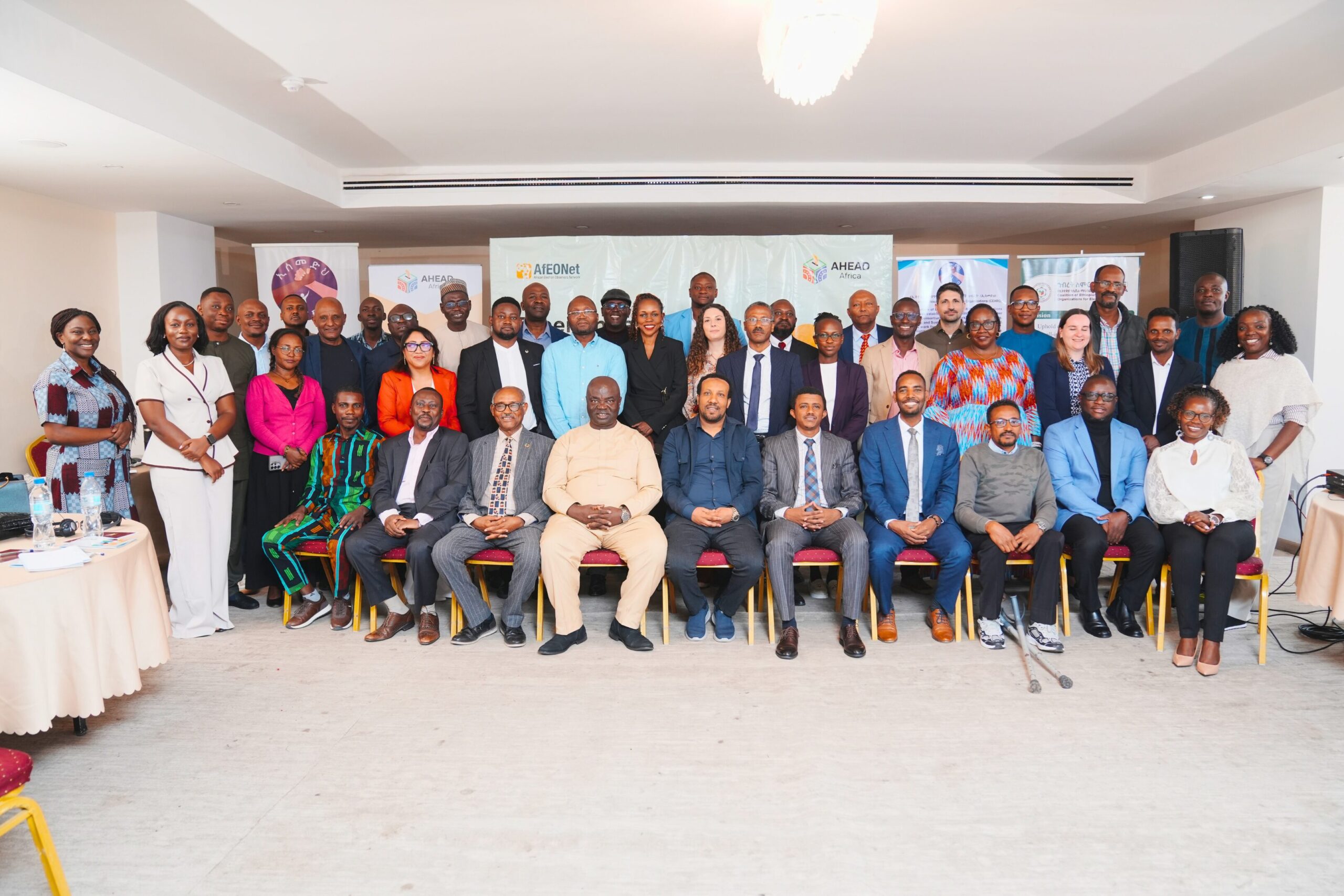
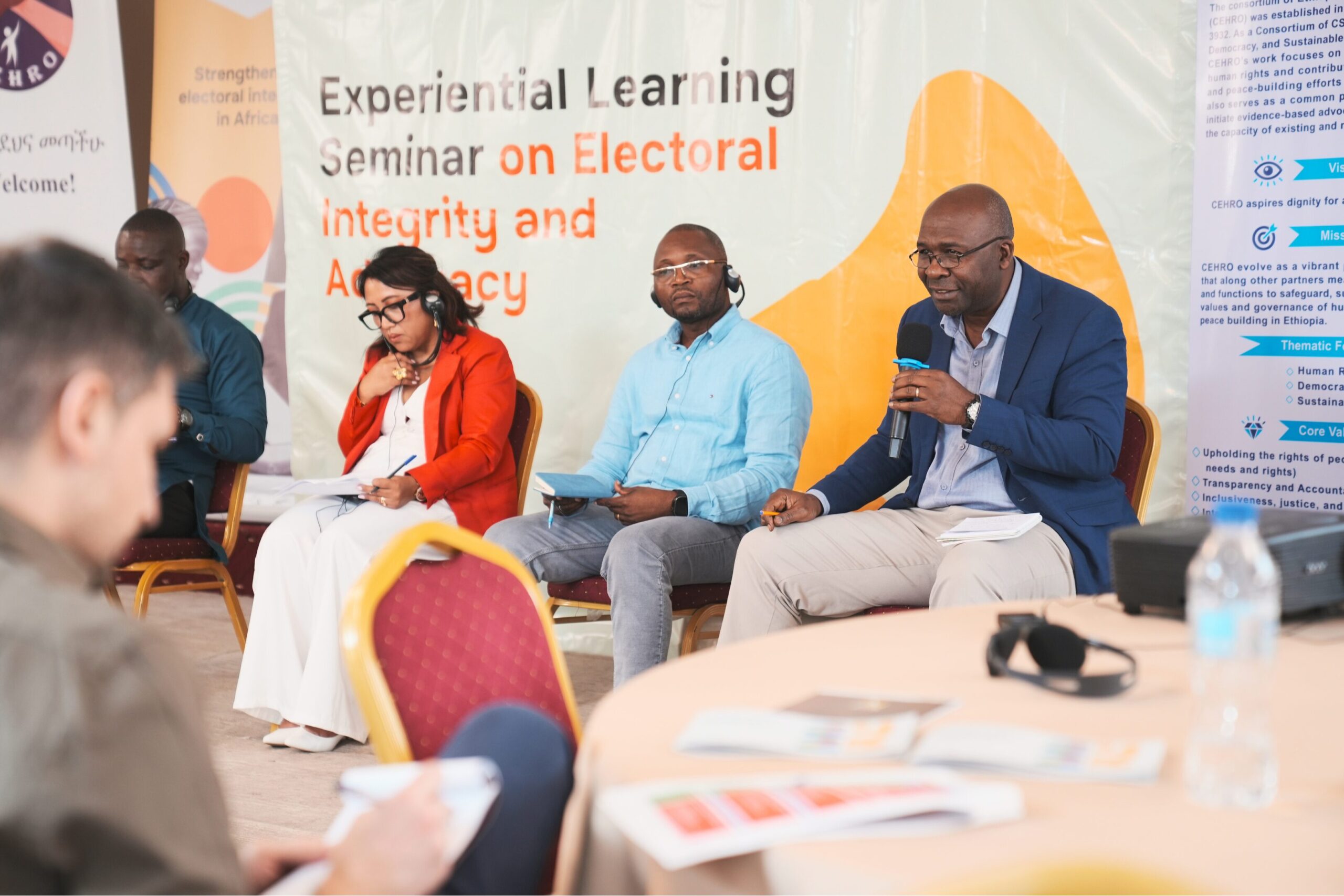
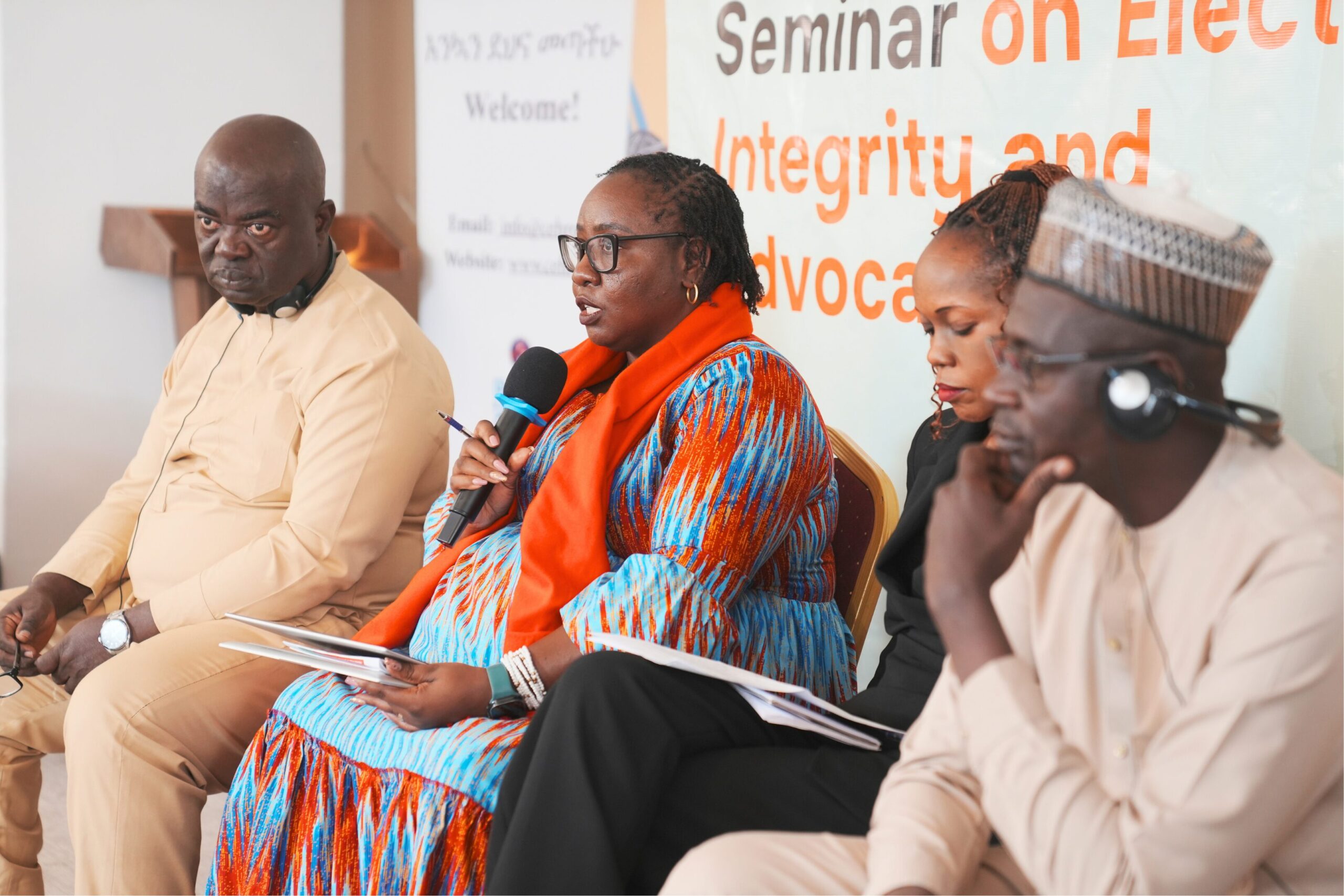
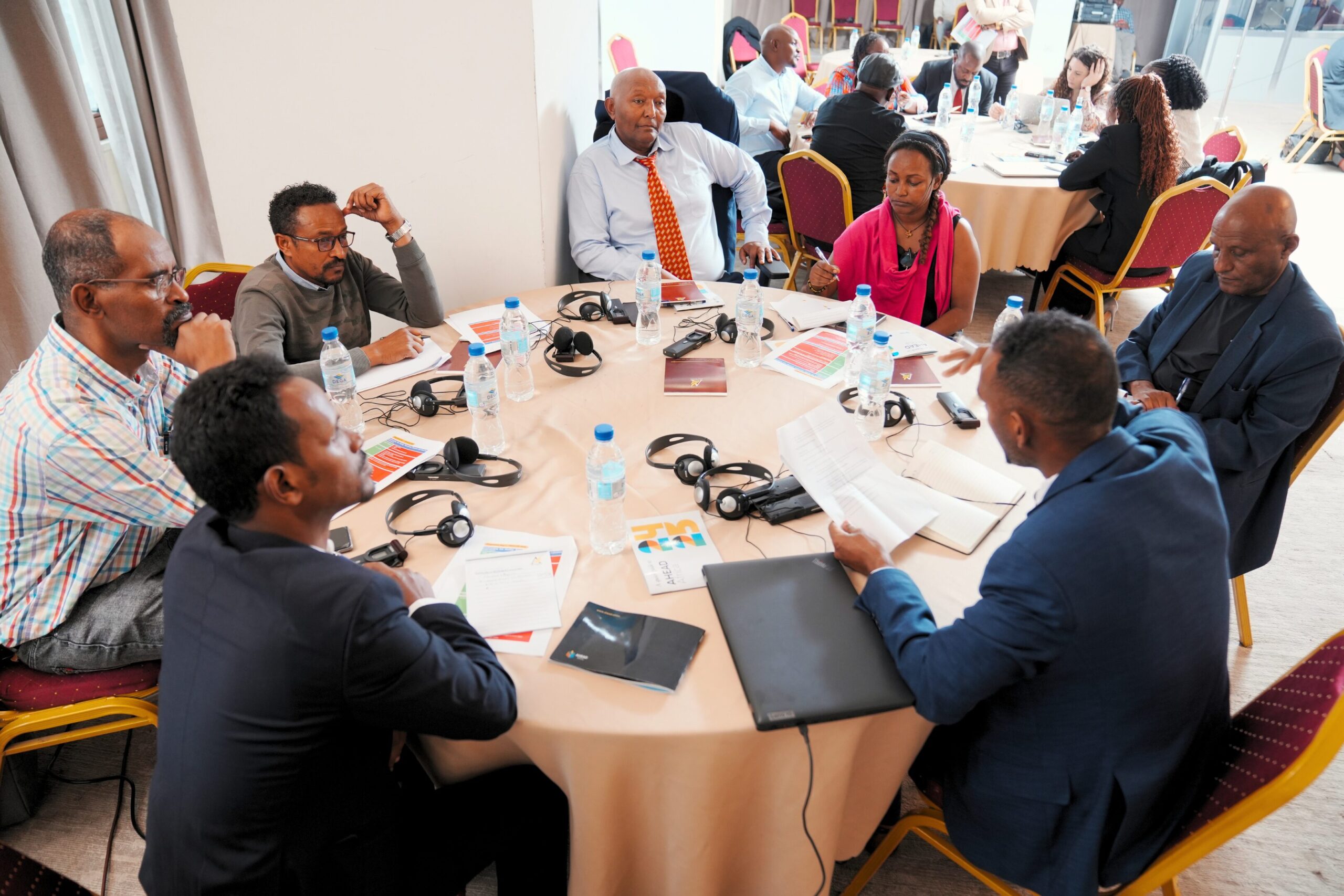
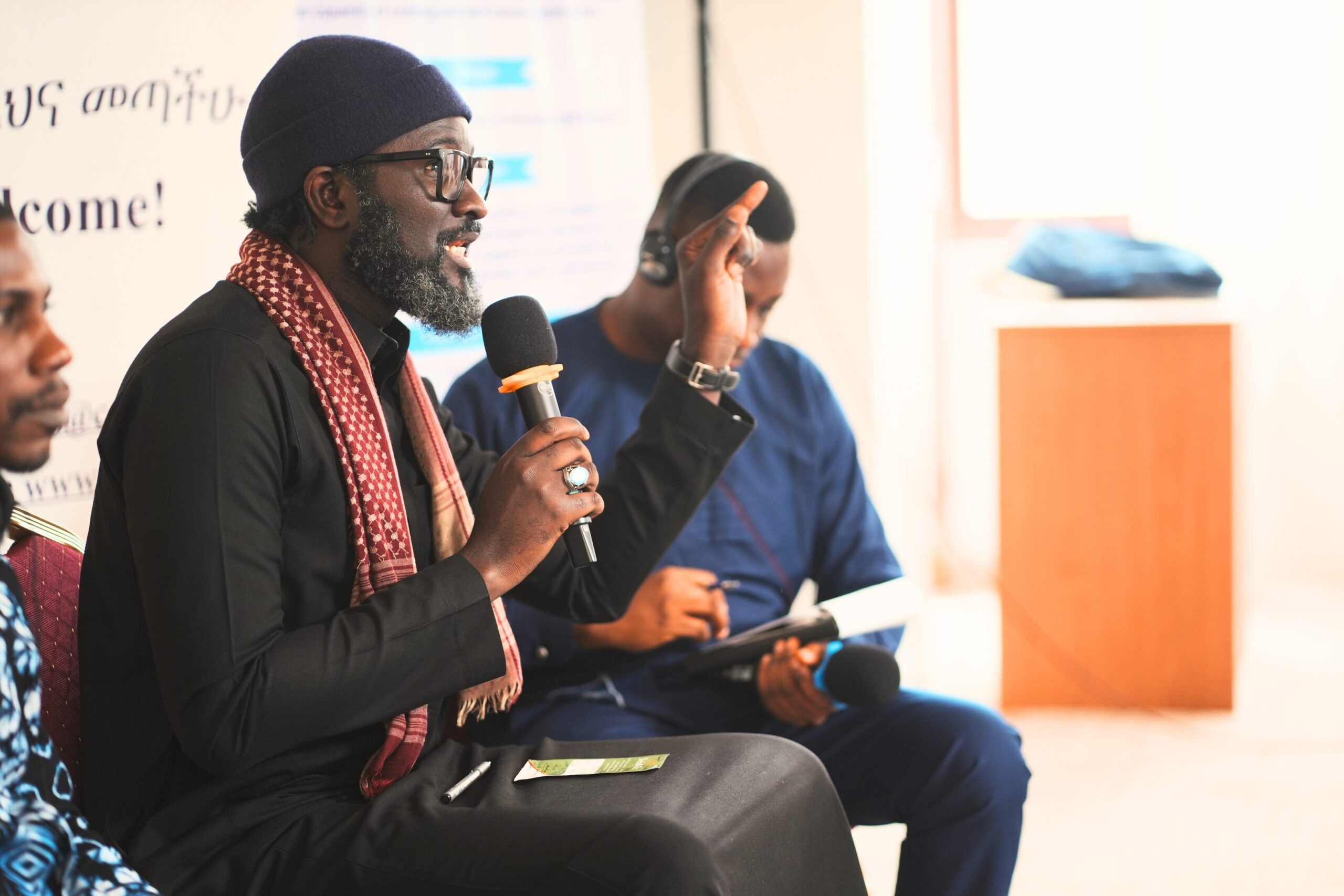
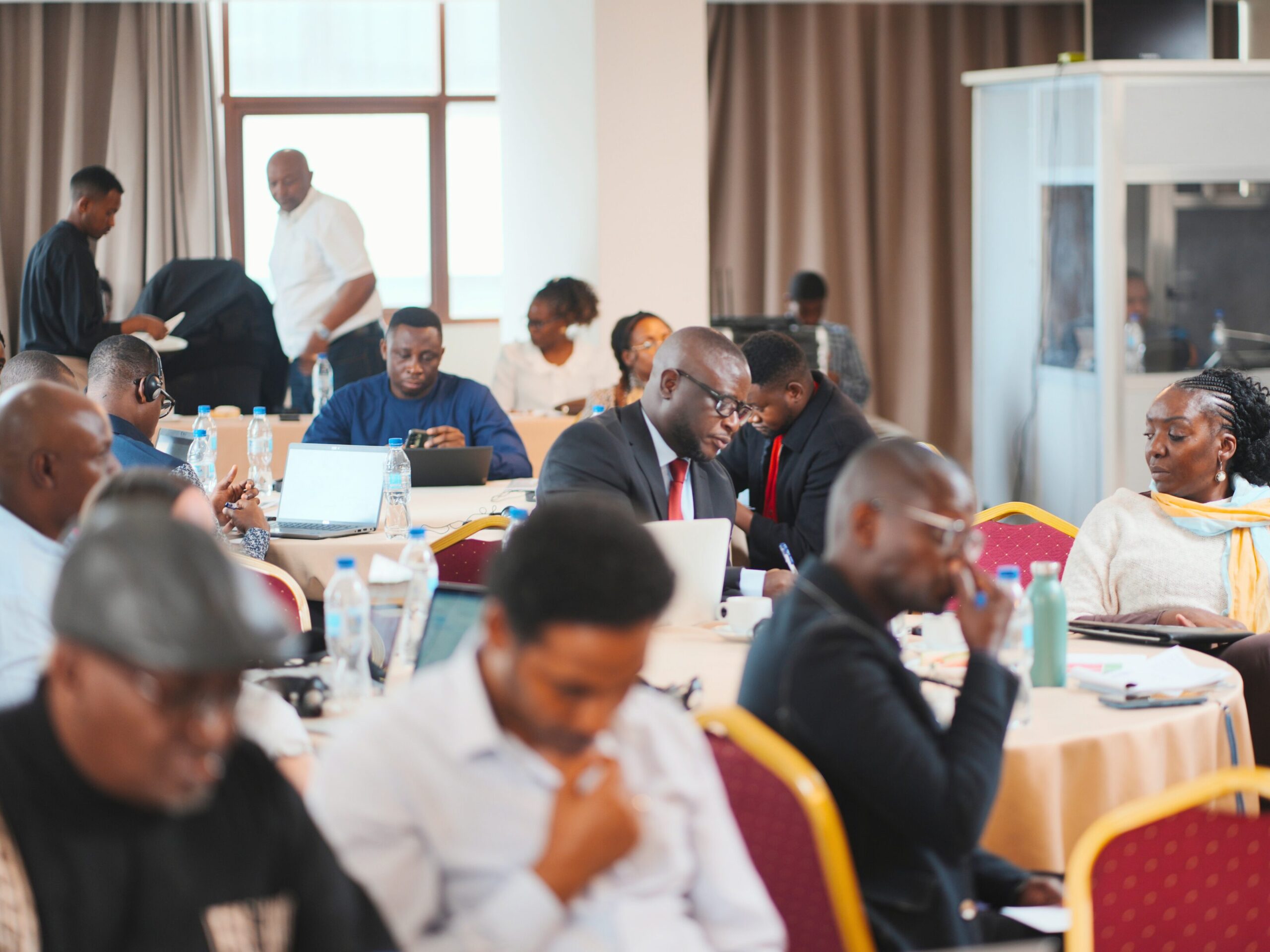
These discussions and recommendations were part of the 2026 Experiential Learning Seminar organised from 23 to 24 March in Addis Abebe (Ethiopia) as part of the EU co-funded AHEAD Africa project.
Pictures on the Second Electoral Integrity Africa Summit