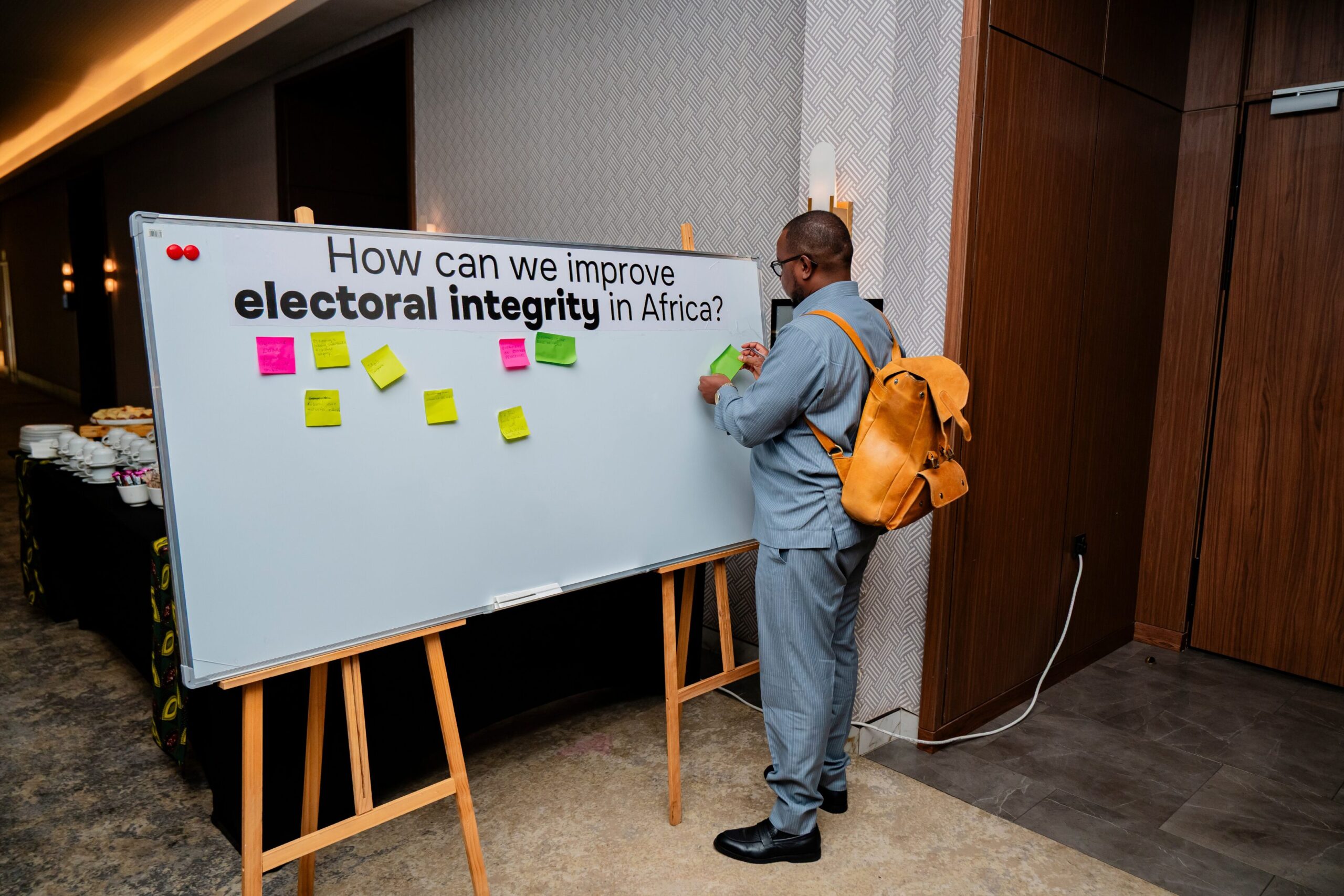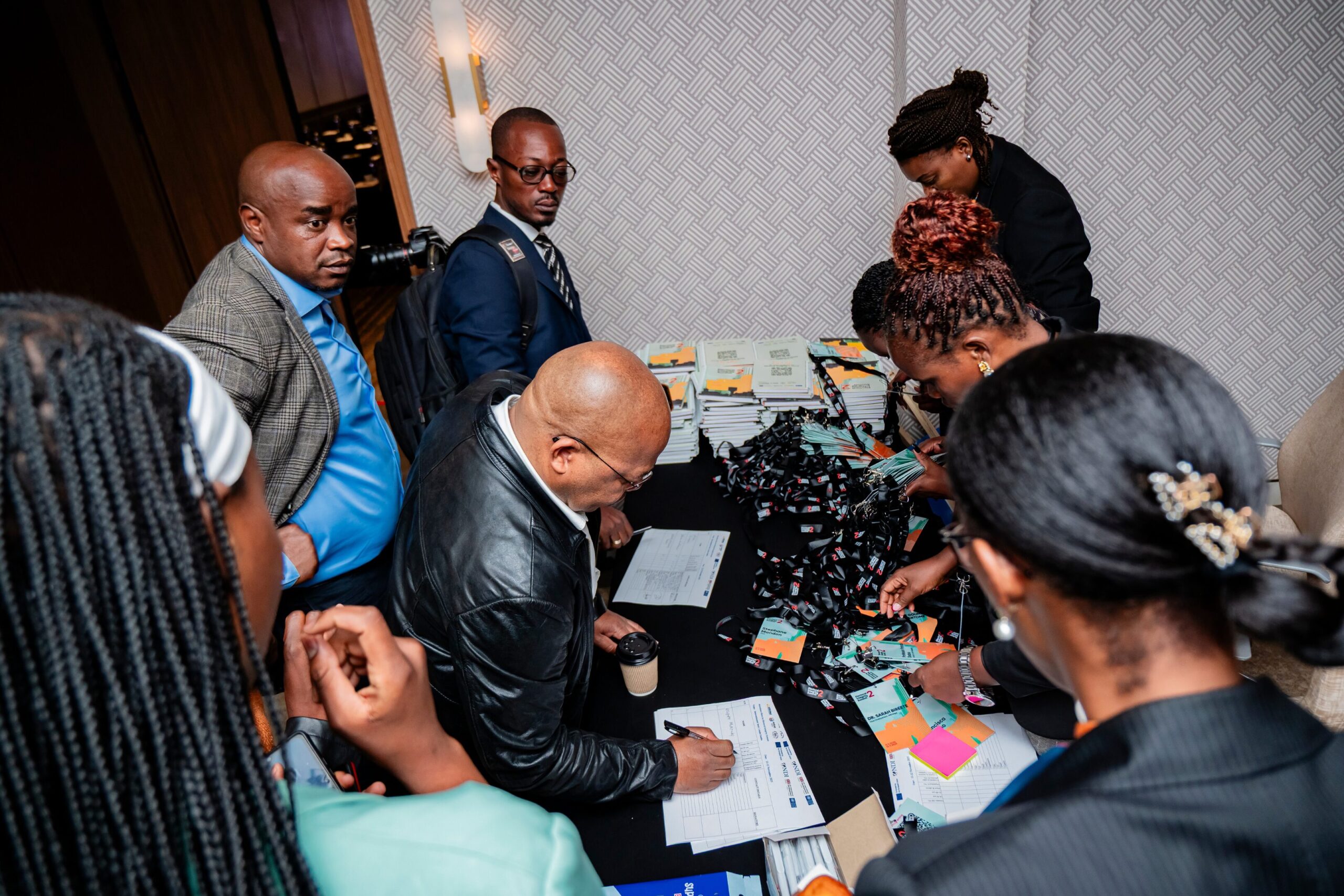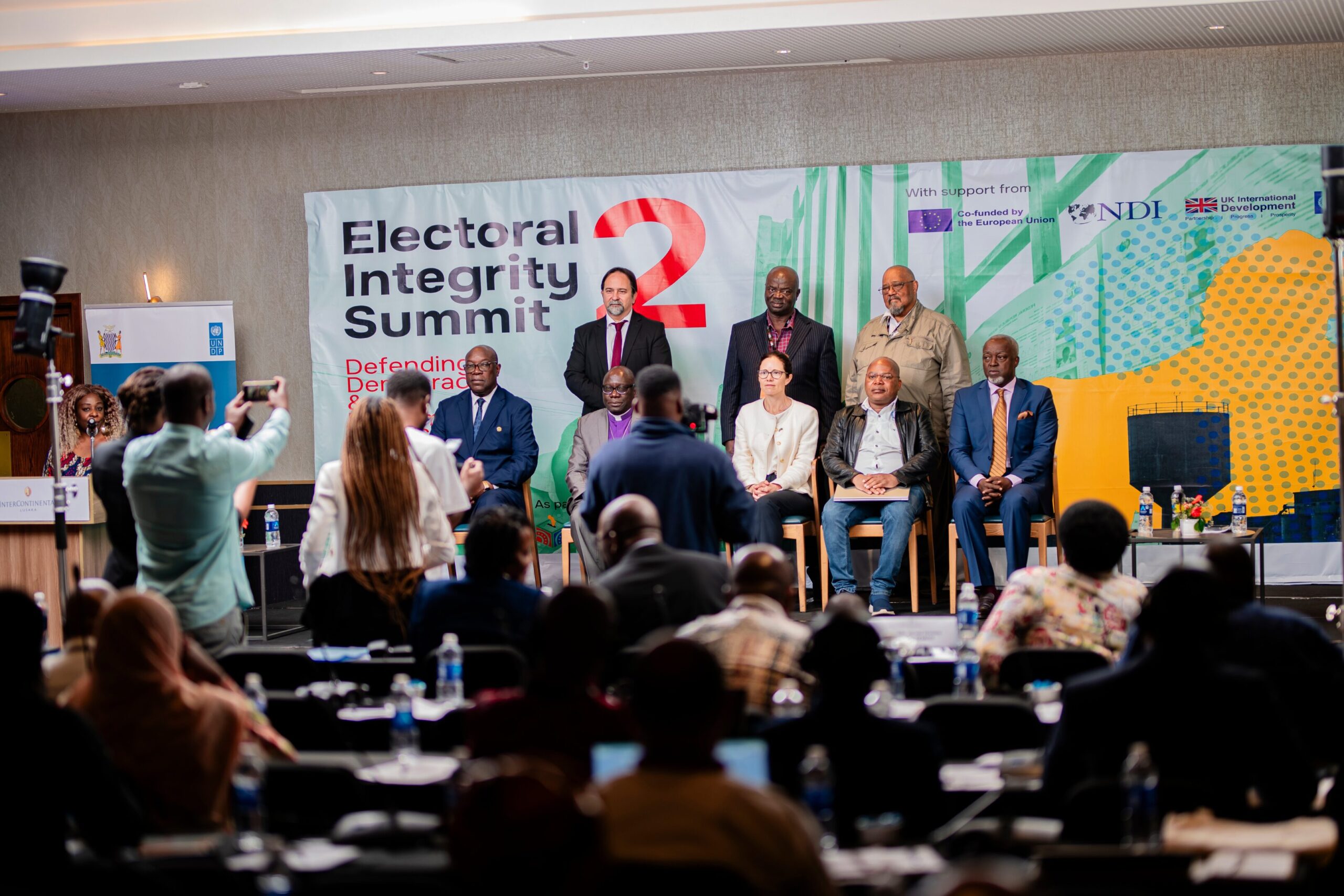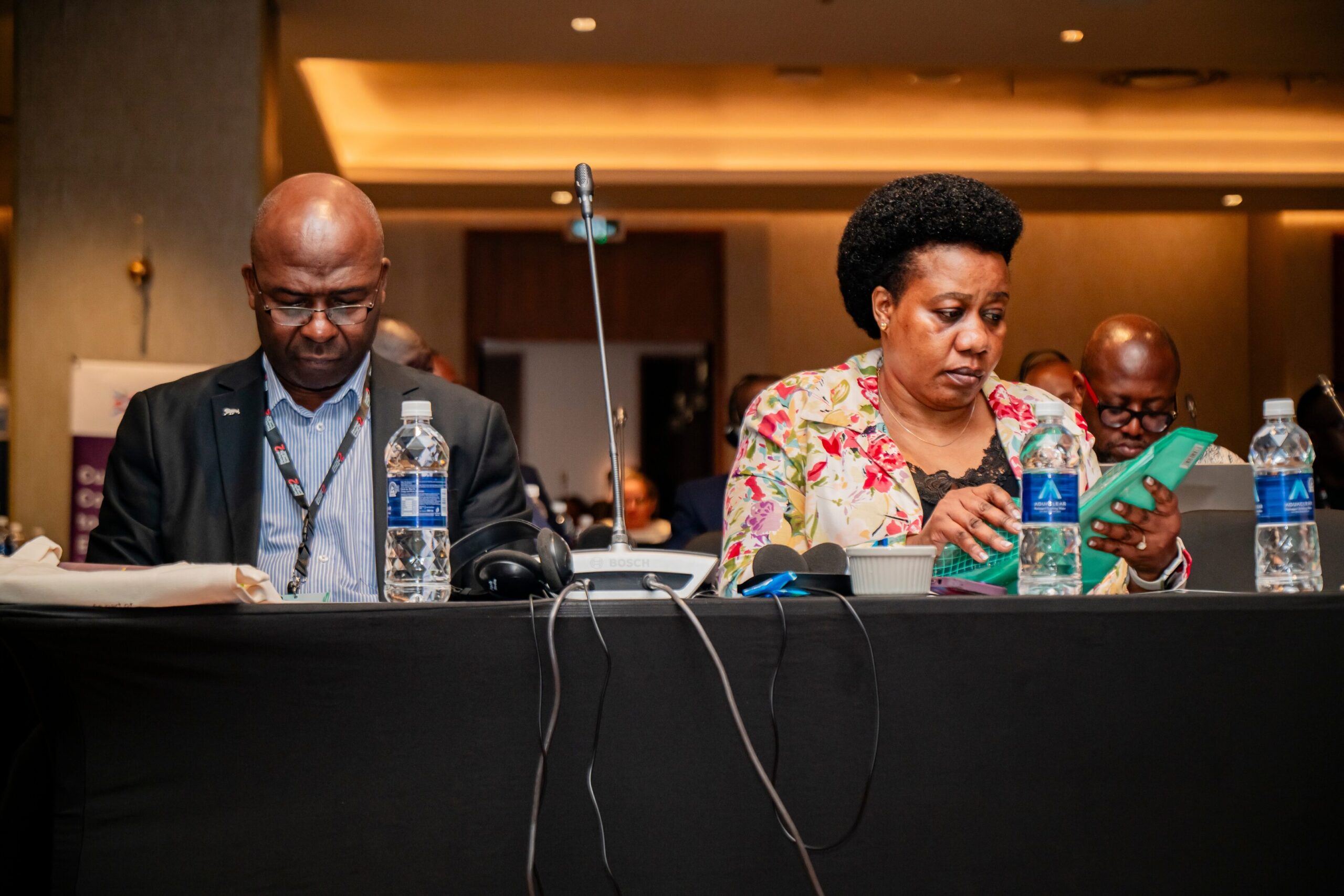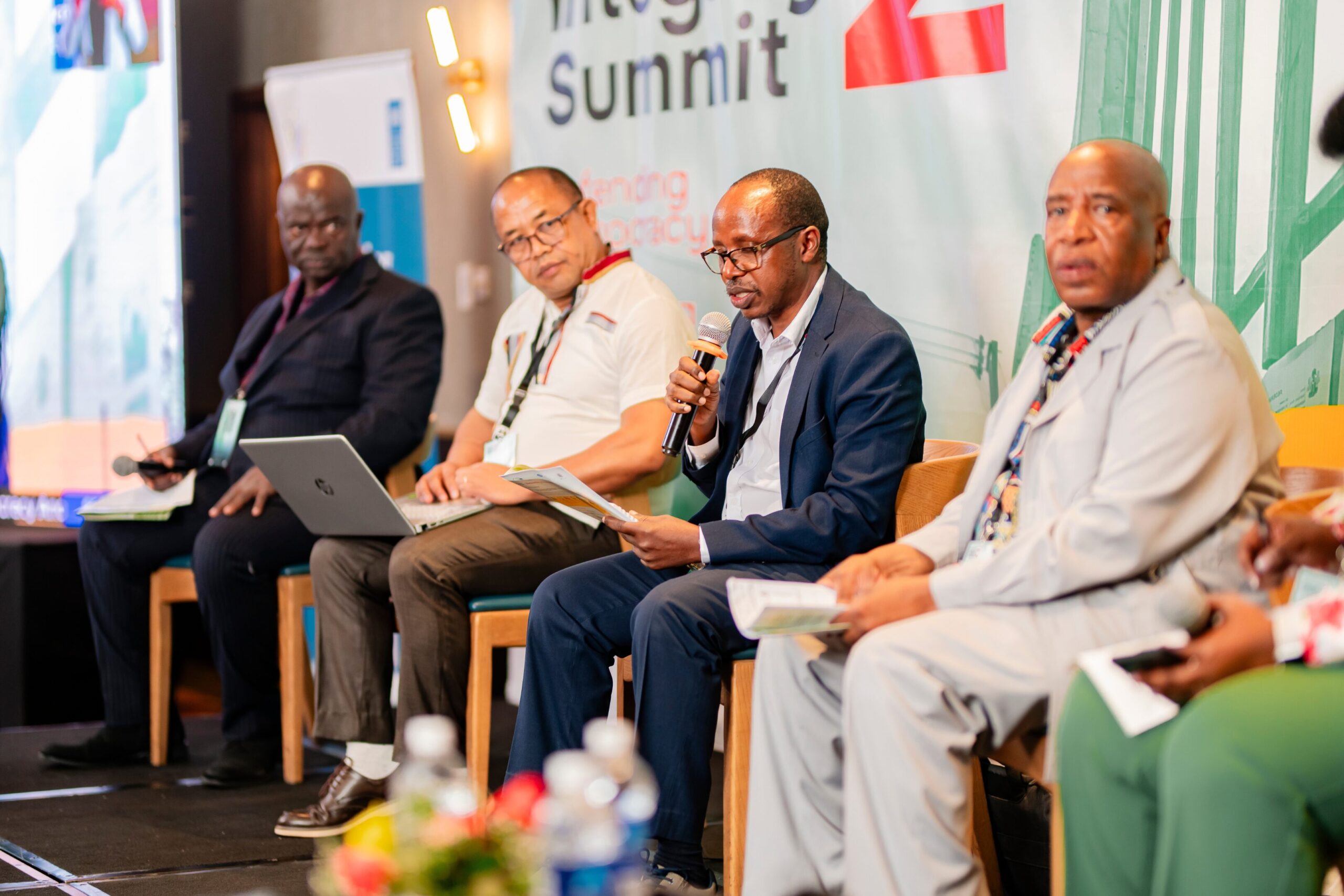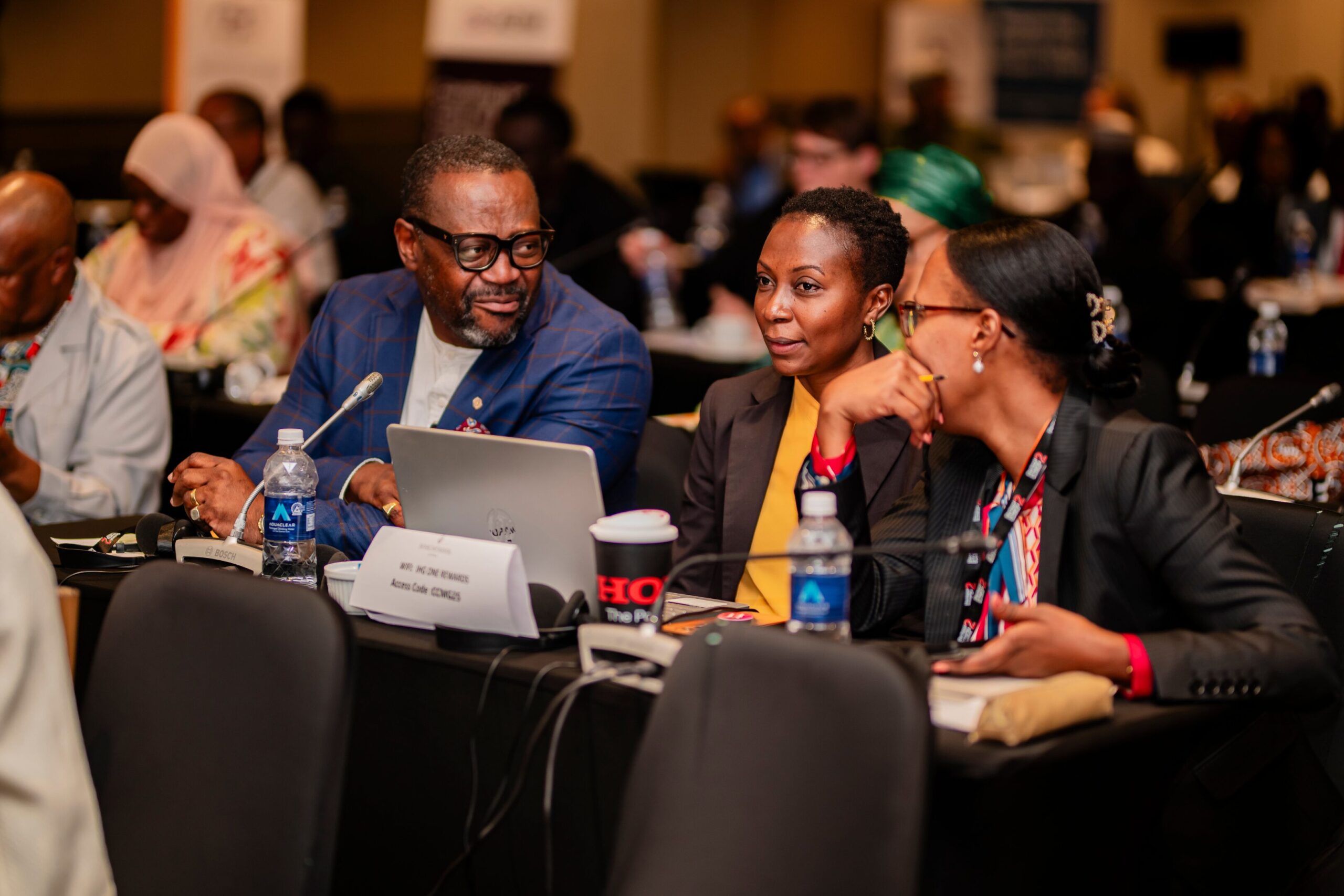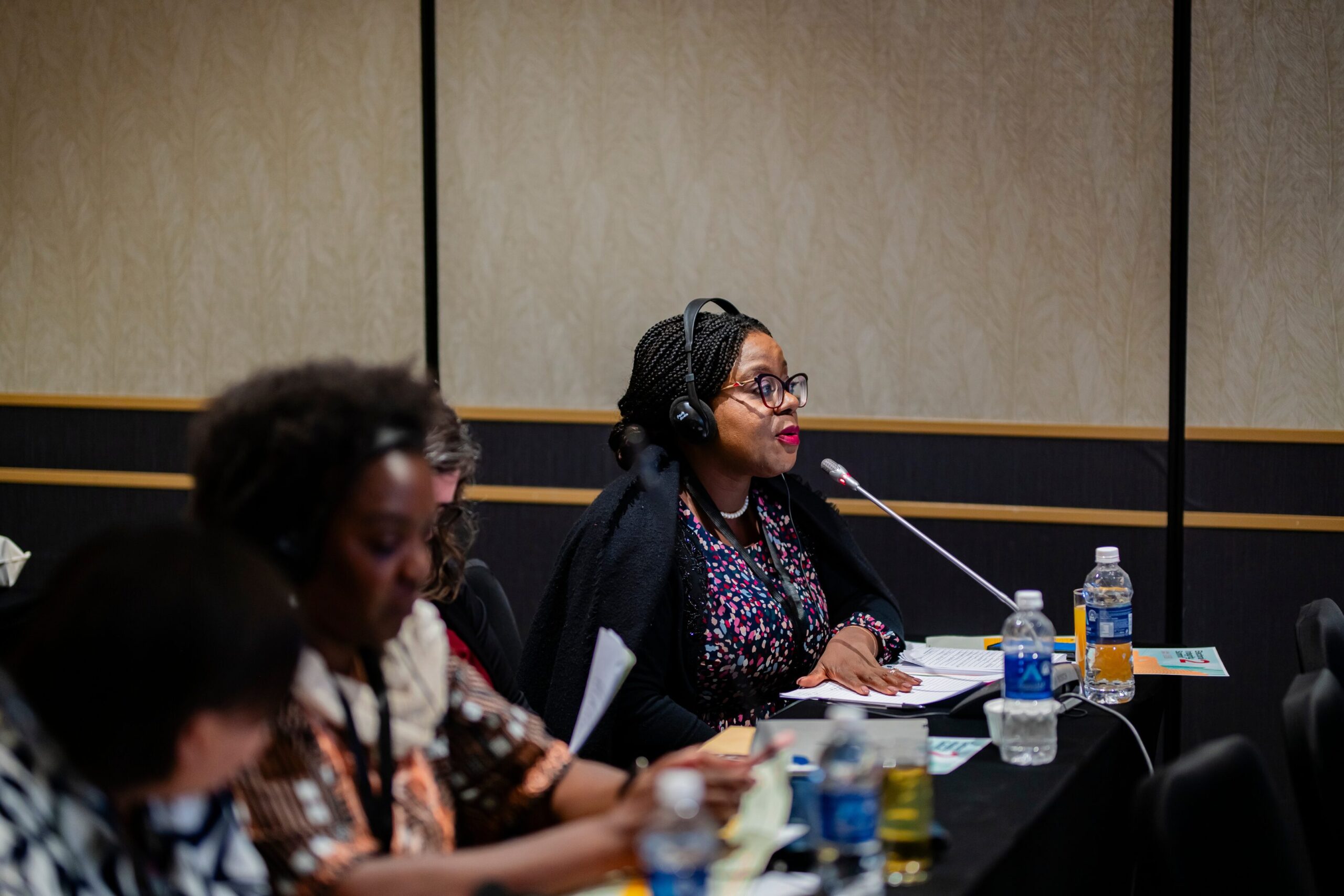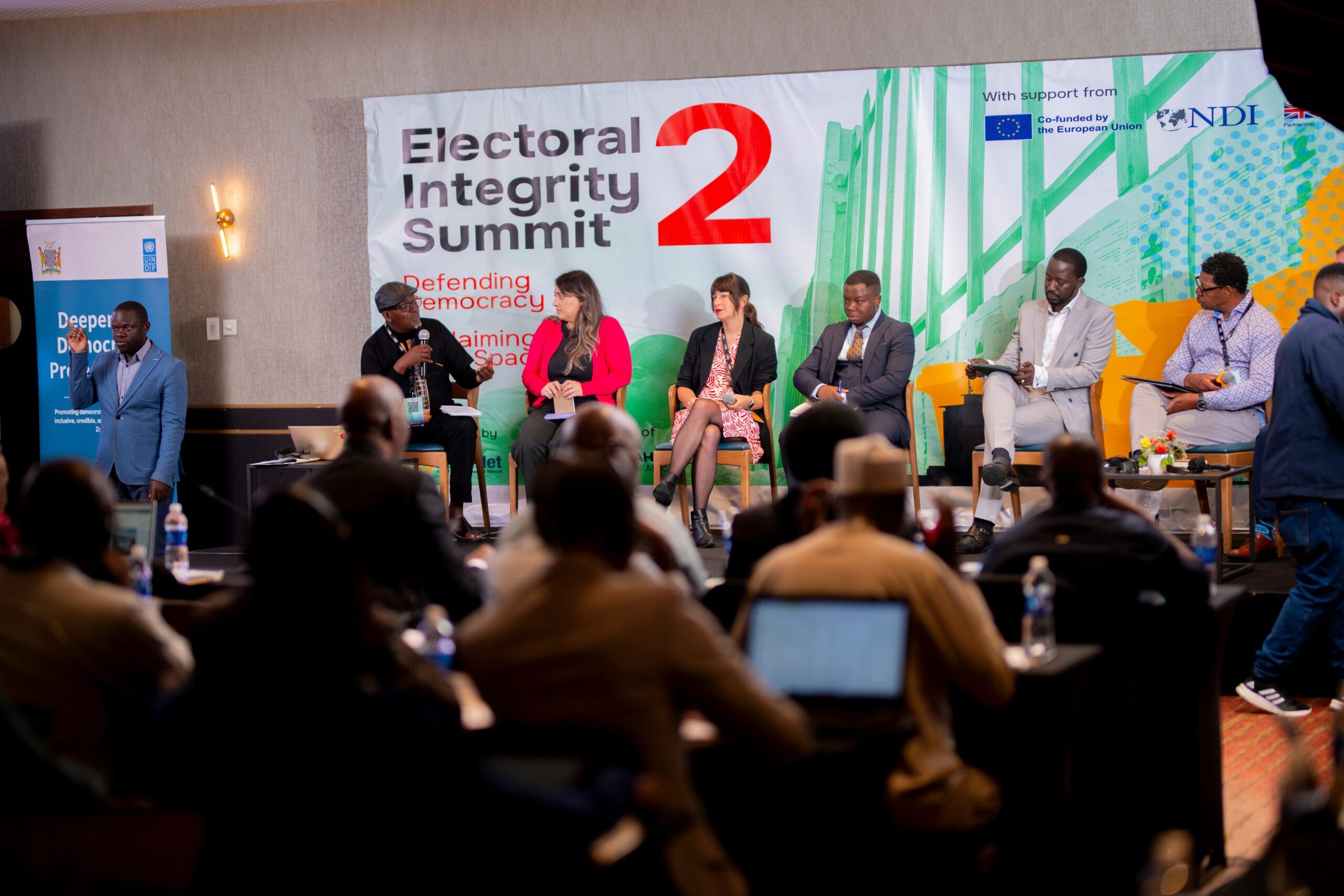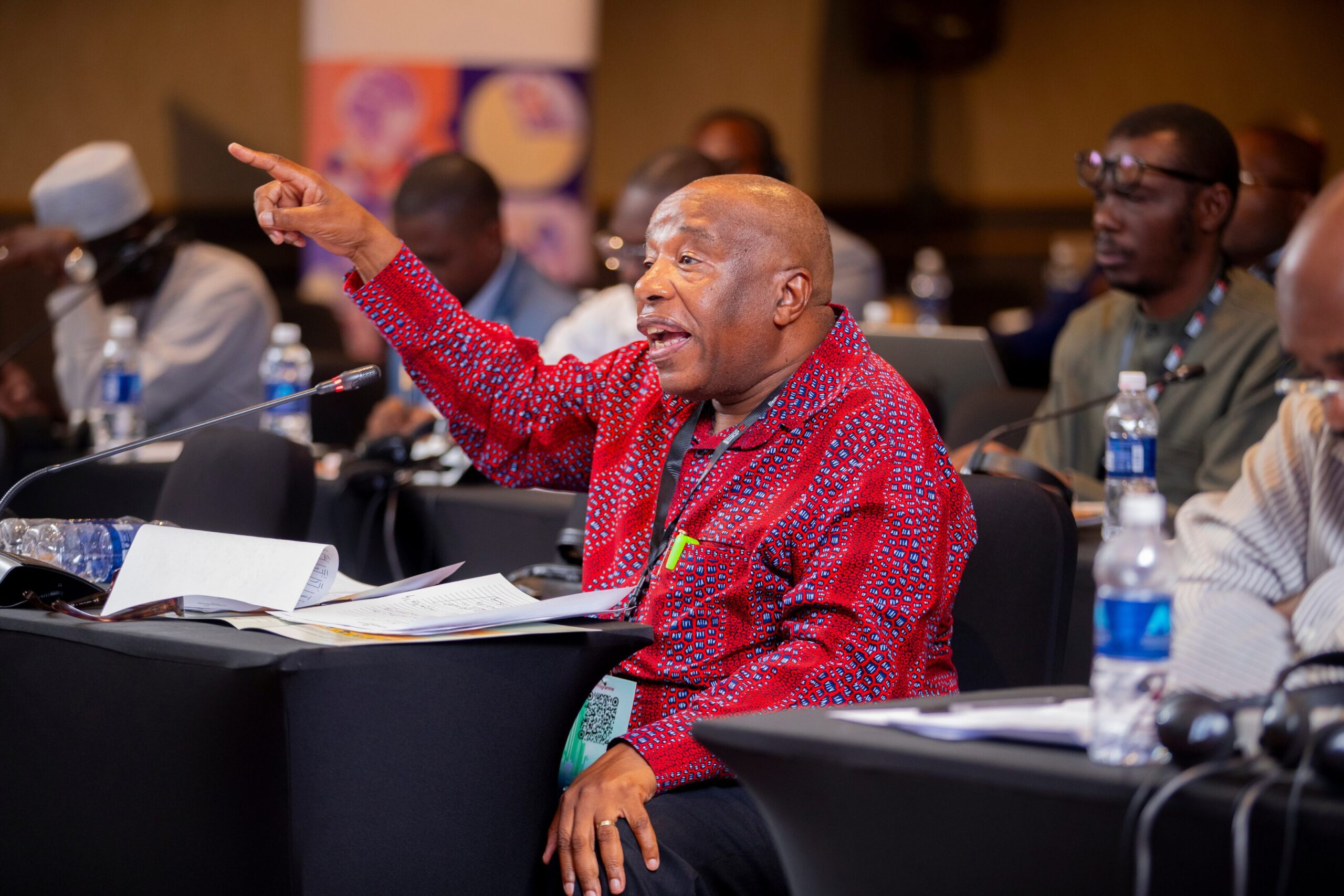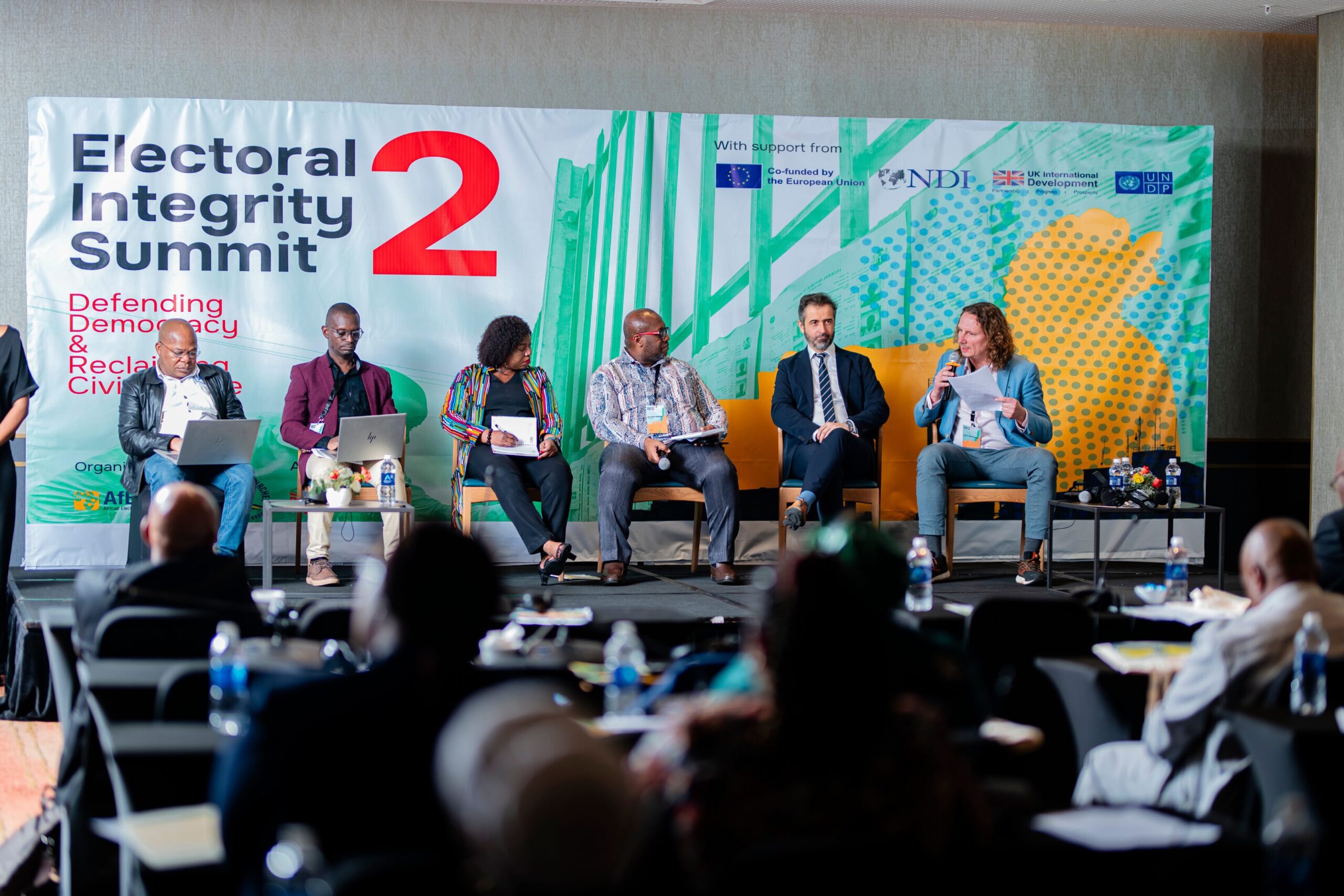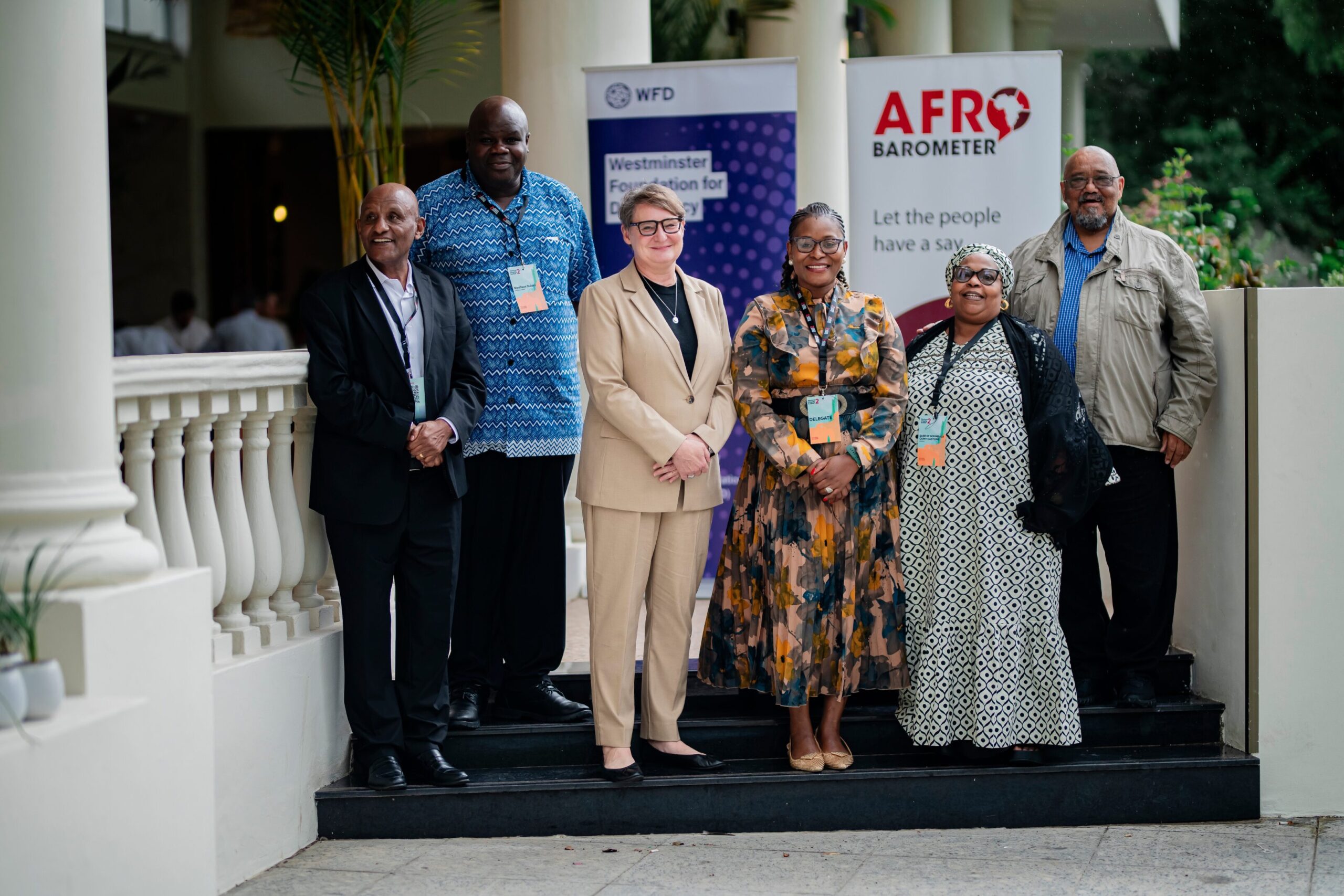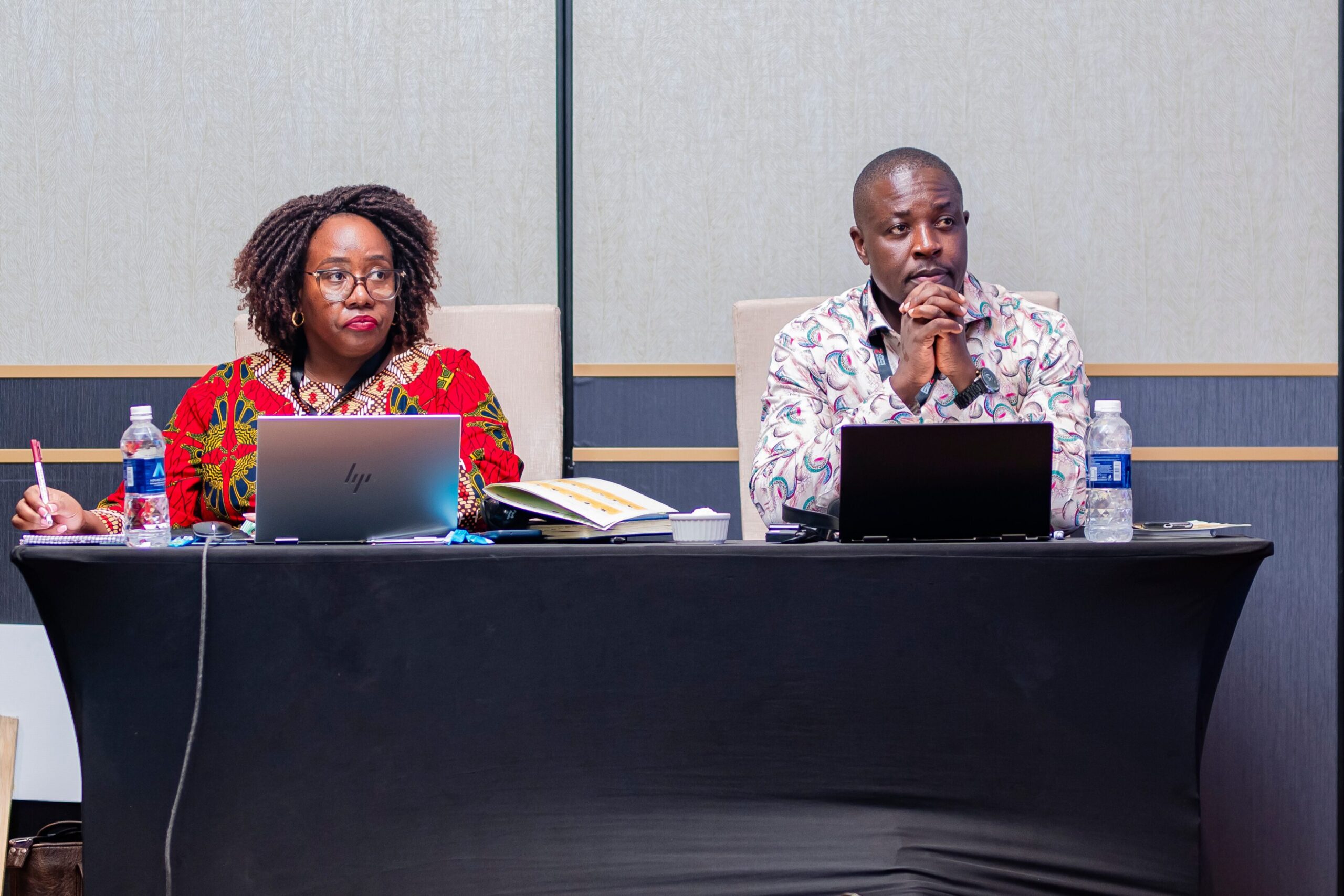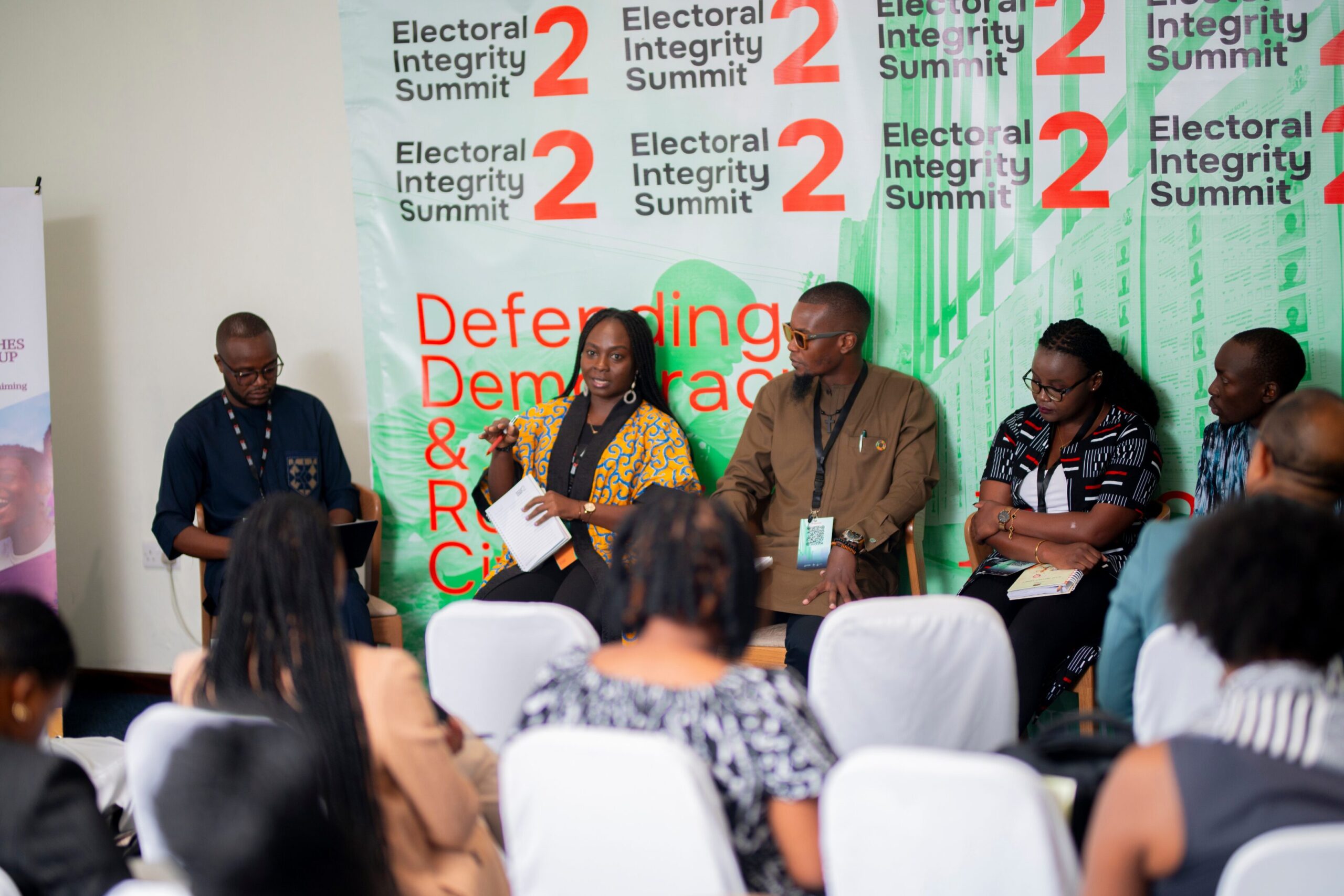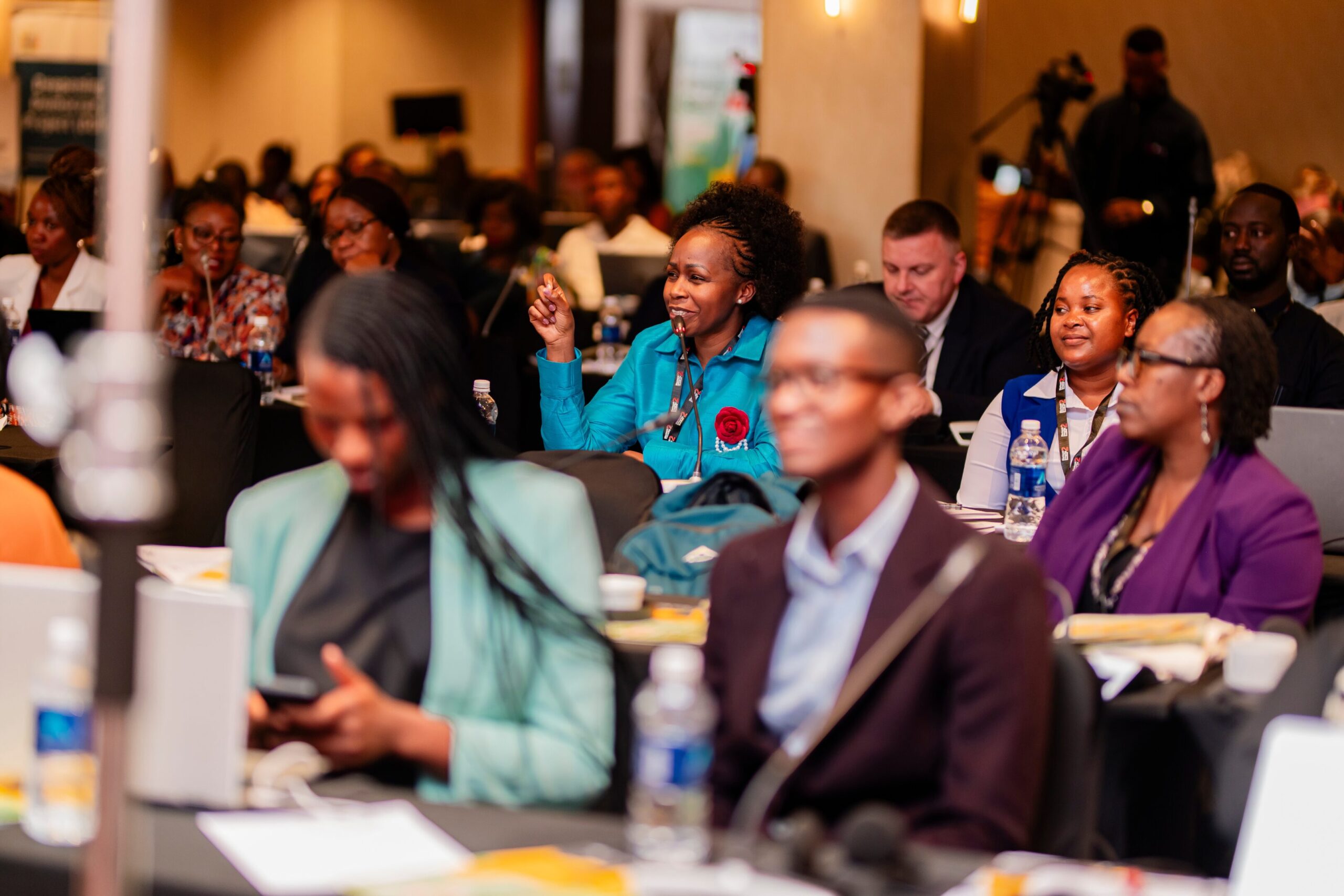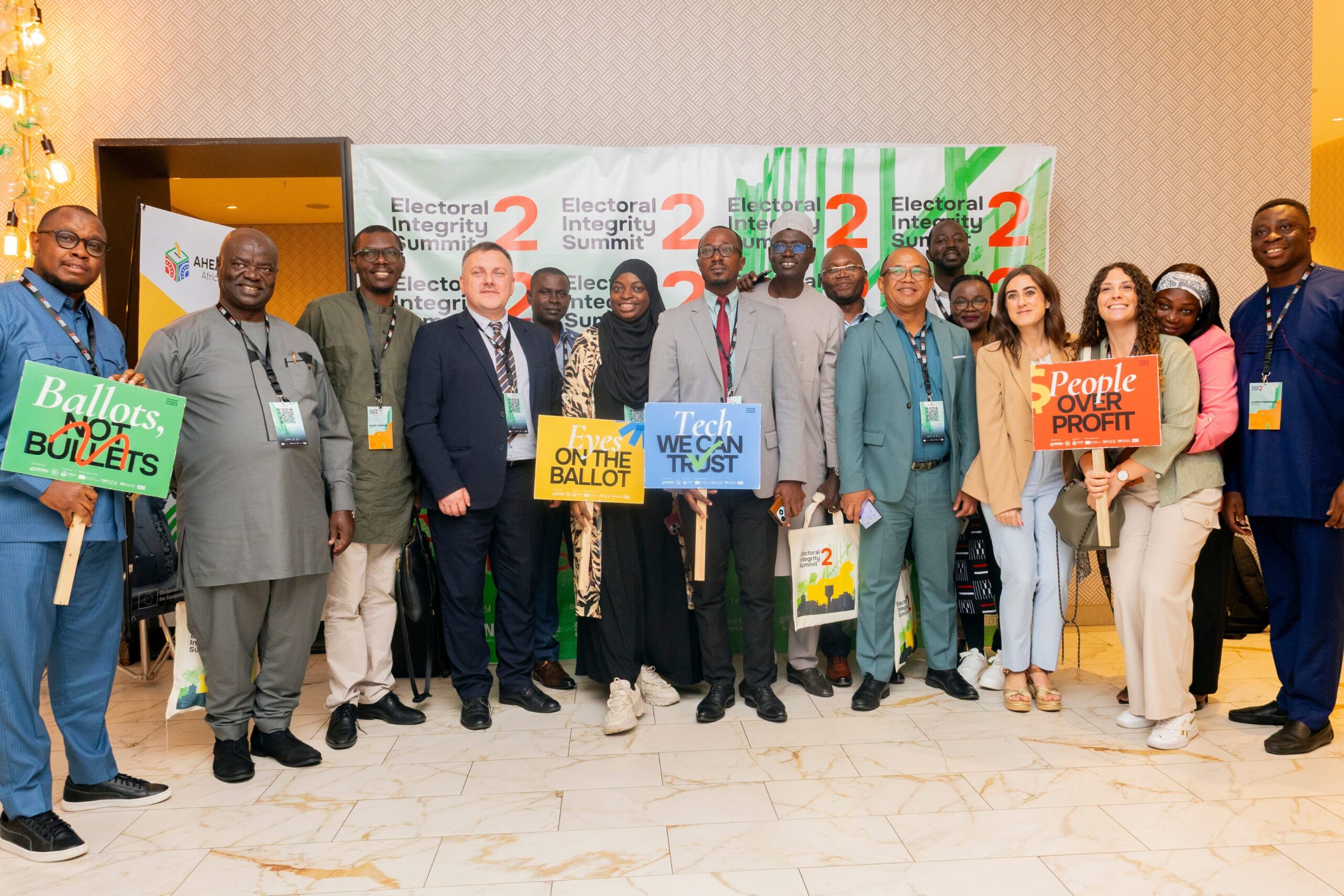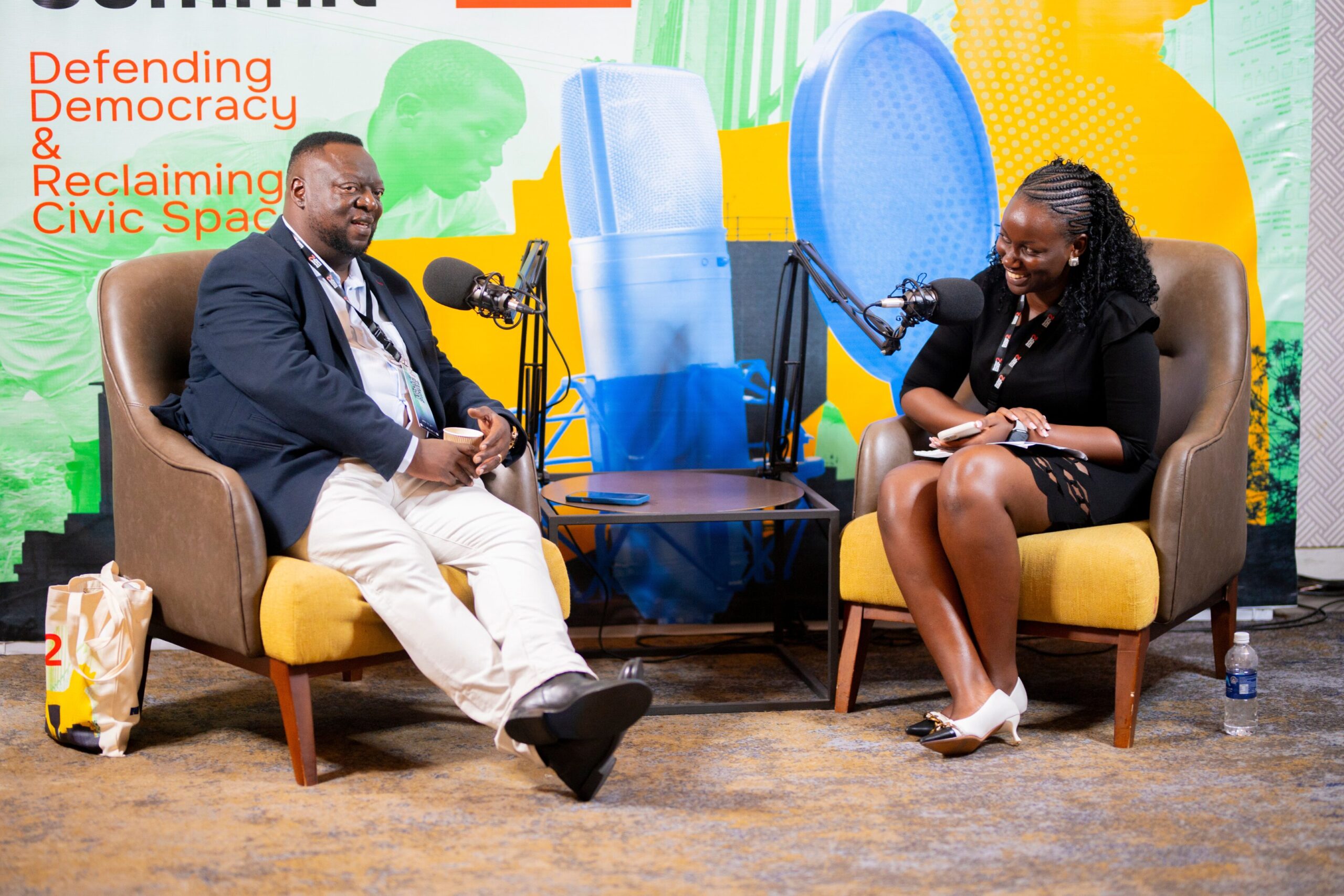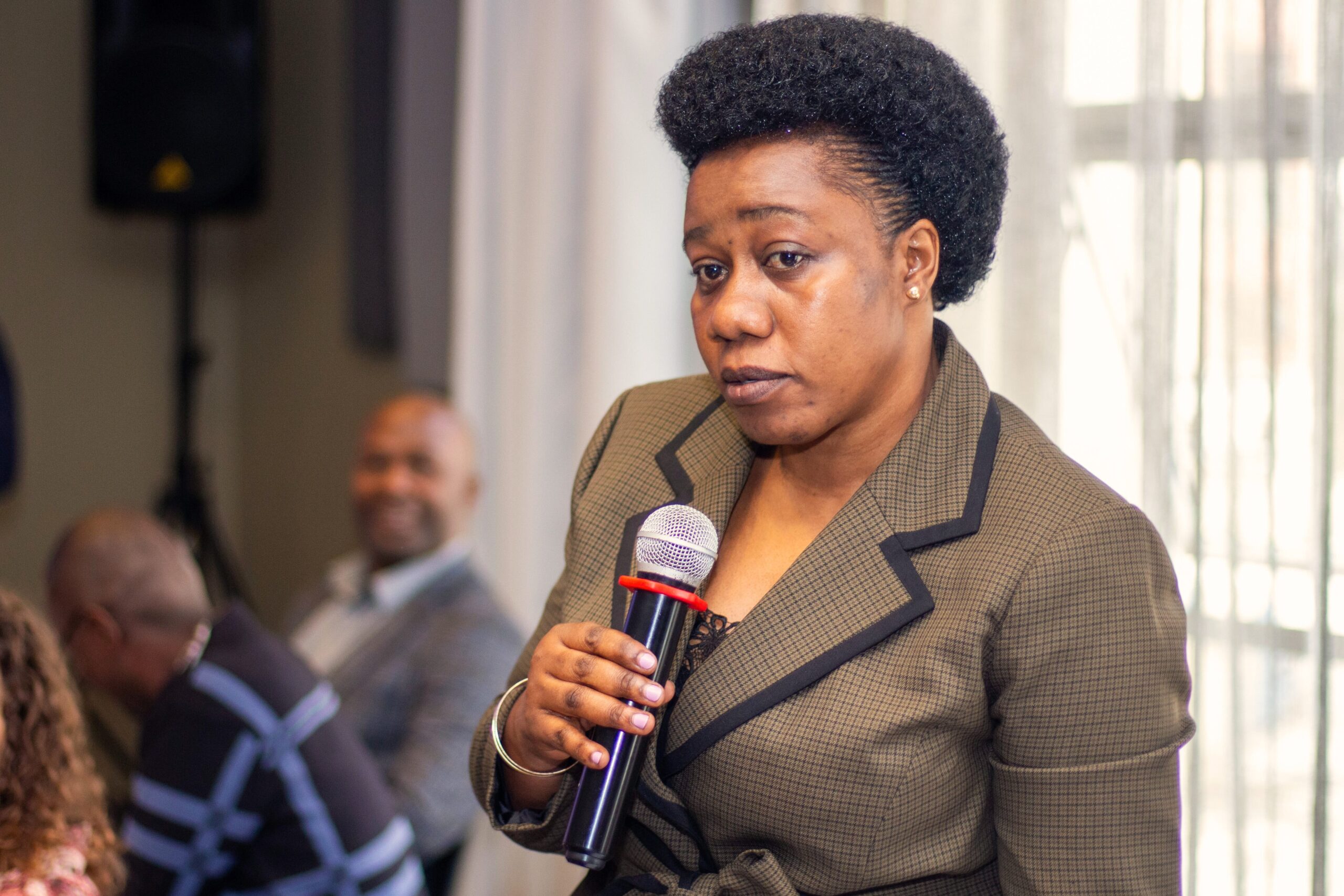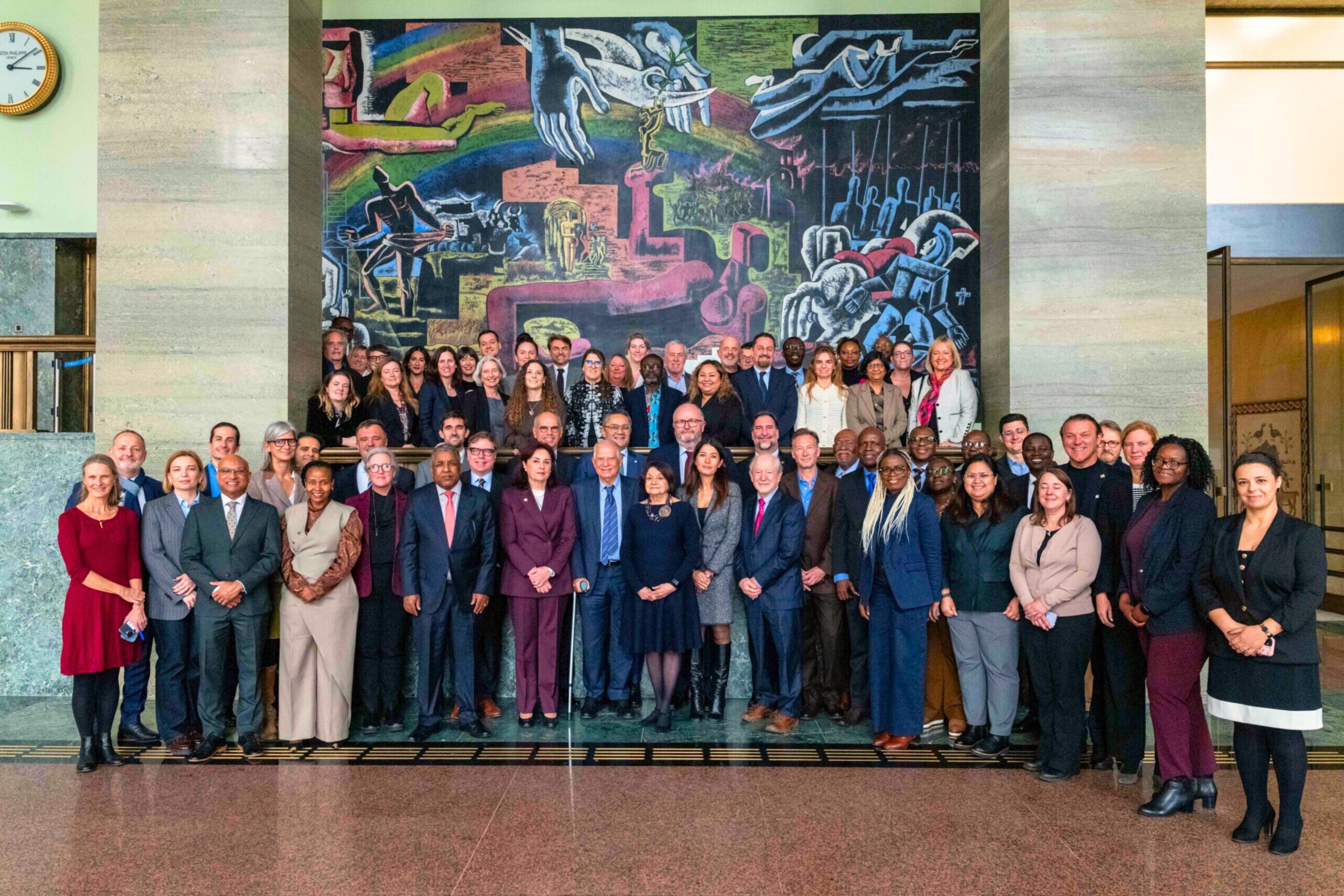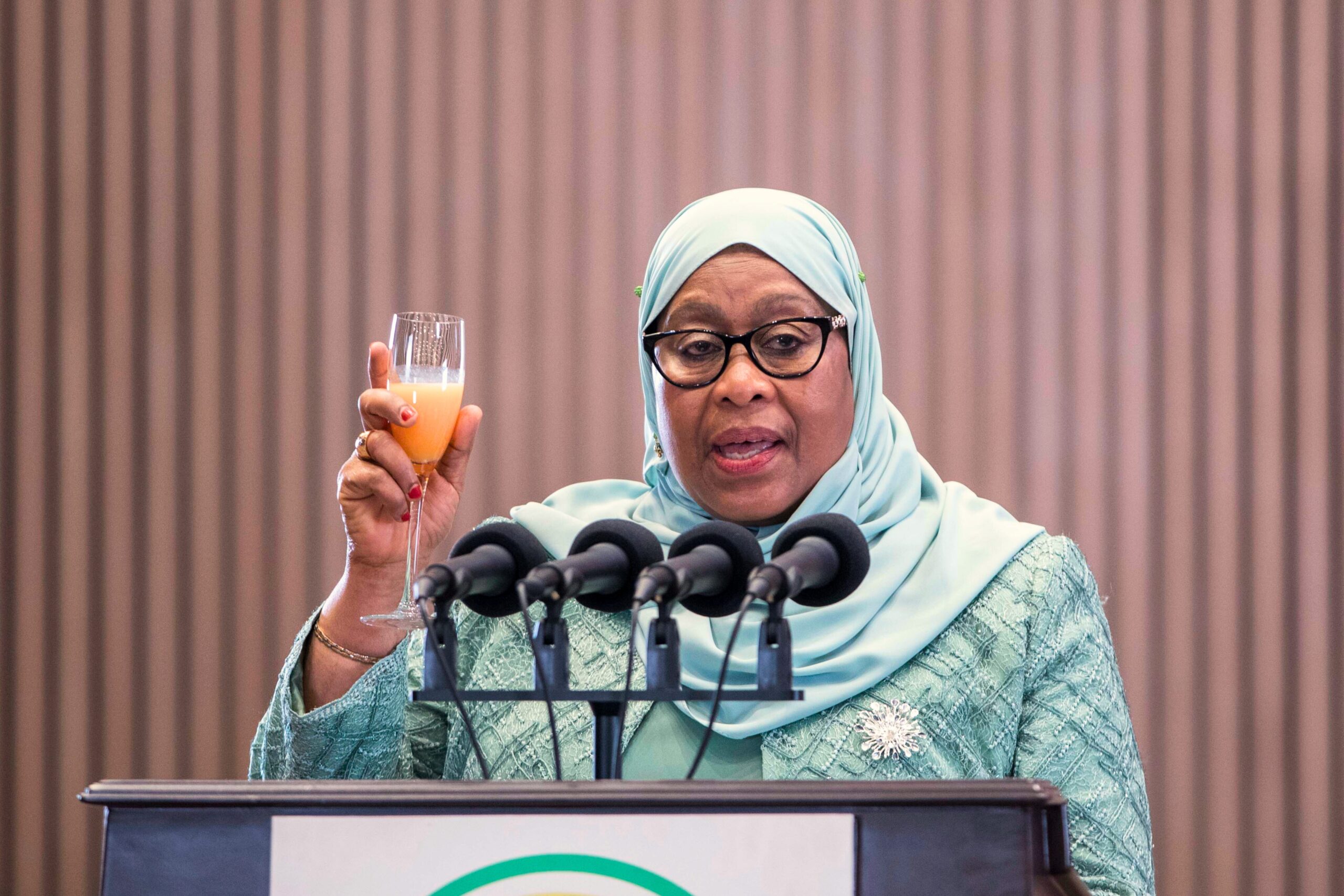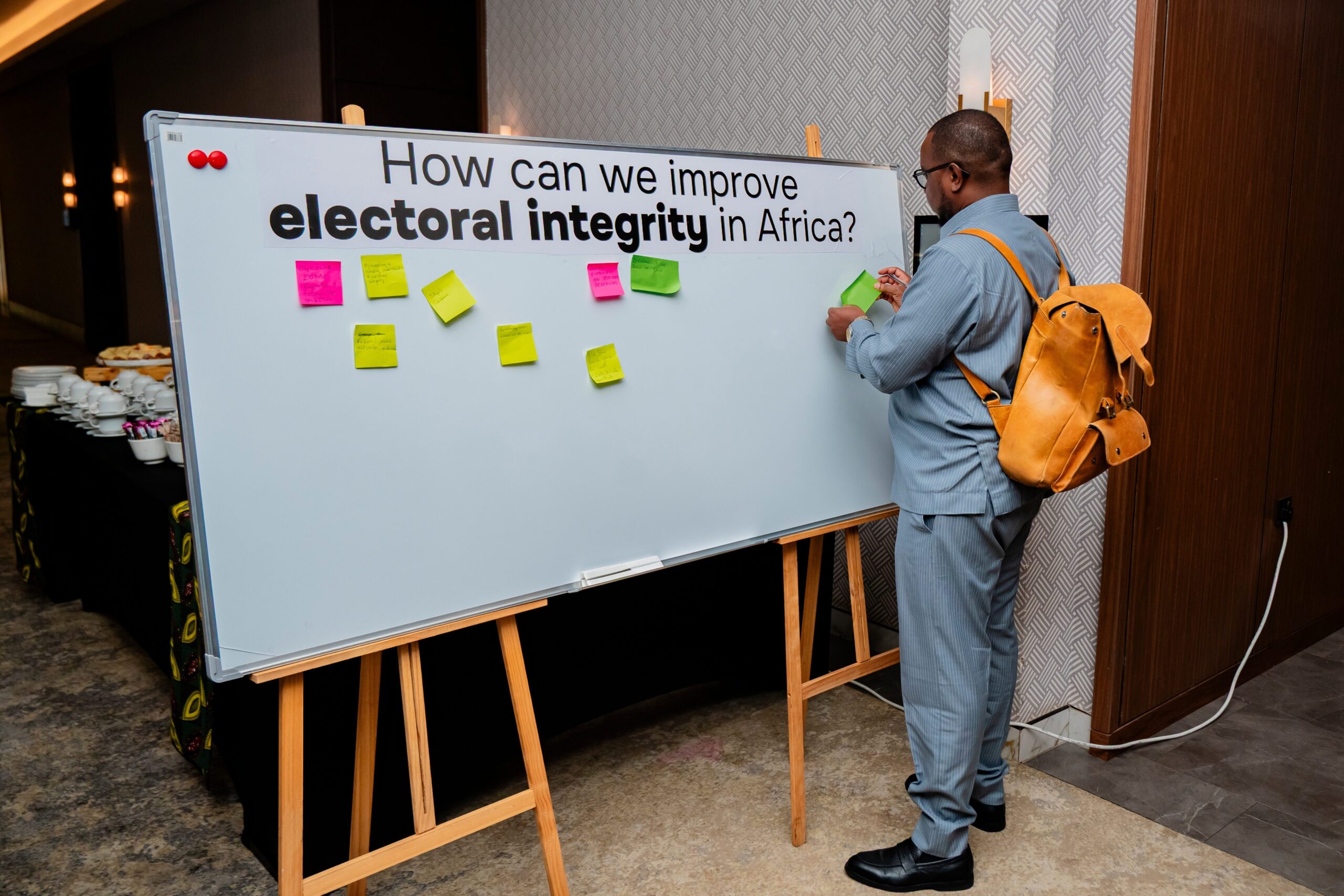
More than 150 participants from every corner of the African continent came together under one roof on 11–12 November — with many more tuning in online — for the second edition of the Electoral Integrity Summit. Across eight dynamic sessions, election experts were all searching for the million-dollar question: how can we improve electoral integrity in Africa?
What works and what doesn’t
Across African countries, electoral integrity faces many challenges, though not all affect every country in the same way. As noted by Joseph Bongo Boleese, Rindai Chipfunde-Vava, Kojo Pumpuni Asante (PhD), and Mulle Musau, issues range from weak institutions, delayed elections, and restricted civic space, to lack of independent electoral bodies, political instability, misinformation, and limited observer accreditation. Despite these hurdles, learning from best practices, implementing reforms, rebuilding trust, and deepening citizen engagement can advance electoral integrity across Africa.
Who pays for democracy and what if money runs out?
Following the US cuts on democracy funding, what alternatives are left? asked McDonald Lewanika. Miguel Orlando Mendes de Brito reflected on the reasoning behinds these cuts as funding democracy may produce harder-to-measure outcomes compared to other investments. Alternative funders include the EU delegations, GIZ, and private donors, noted Stefanie Schiffer. For Malick Fall, public money should be available to civil society actors under strict guidelines, just like Electoral Management Bodies are funded. Diversifying the competencies of election observers in times of crisis must also be considered, concluded Julia Brothers.
Who protects the people protecting our elections?
How does it feel to be at the frontline?, opened Richard Sambaiga. There is no one size fits all answer as every context is different, which observers must study very closely before deploying, Dr. Sarah Bireete added. Sometimes, it means hiding in a neighboring country, as James Lahai experienced in 2023 in Sierra Leone. Other times, it means arrest and long jail terms in Madagascar, like Harijaona Andriamoraniaina explained, then still fighting for funding after the observation project has ended and having to cover judiciary matters for 10 years. One thing is certain: being a citizen observer means you will be loved by the opposition and hated by the ruling party.
No more dusty reports
The African Union has conducted 169 election observation missions, yet many recommendations remain unimplemented. According to Adam Busuleanu, this is partly because the AU lacks specific regulations or guidelines that mention follow-up to elections. Addressing the gap in translating recommendations into lasting democratic reforms, Felix Kafuuma presented an upcoming AfEONet study under AHEAD Africa reviewing 116 AU mission reports (2012–2023) from 44 countries. Similarly, Elijah Munyuki noted that an SADC study (2015–2019) found only 20% of 141 recommendations from 16 elections were implemented. The most difficult to act on? Those related to legal frameworks, highlighted Stephane Mondon. To keep recommendations from gathering dust, drawing lessons from ECF-SADC, Hilda Modisane advised making findings and recommendations clear and categorised.
AI as a double edge-sword
Why should techies care about democracy? As Dave Leichtman said, “Democracy is good for business, so business must care for democracy.” But for AI to support democracy, it needs proper regulation. Mamadou Mbaye Dione noted that while regulation on the use of AI during elections in Africa catches up, frameworks like the AU Convention on Cybersecurity and Personal Data Protection and the EU AI Act offer some guidance. However, these regulations must include direct input from citizen observers, as Taona Ernest Mwanyisa emphasised. Meanwhile, Julia Brothers challenged us to reflect: Does it matter whether content is AI-generated or human-manipulated, or is it only the impact that truly counts?
Africa’s future is young
In Africa, only Morocco and South Africa have systems in place for the disclosure of political finance, based on Transparency International data shared by Paul Banoba. According to Henry A. Muguzi, the lack of campaign finance regulation allows leaders to stay in power, while maintaining their local economy intact by selling national resource contracts for funding. Drawing from the Moldovan experience, Nicolae Panfil suggests public funding can improve campaign finance disclosure and reduce dependence on a few wealthy oligarchs. In Zambia, Article 60 of the Constitution establishes a political parties fund, but it isn’t operational, so all 42 parties can currently raise money freely.
No price tag for elections
There’s about 1.5% of youth in parliaments across Africa, explained Daniel Sichilongo. Unfortunately, as campaigns become increasingly commercialised, young people need funding, sometimes forcing them to align with agendas and stay less vocal, stressed Eseru Abel. When it comes to young election observers, Vera Abena Addo shared that engaging them in observing Ghana’s 2024 elections helped challenge stereotypes about their capabilities. Another good practice was shared by Pauline Agesa, who highlighted how youth protests in Kenya against the 2024 Finance Bill helped its rejection.
Restoring trust
While elections remain the most preferred method for choosing leaders—according to Afrobarometer data shared by Dr. Boniface Dulani—there is still a high level of mistrust toward election management bodies, as described by Dr. Babra Ontibile Bhebe. To rebuild this trust, we must look into how these bodies are setup, promote the socialisation of data, and ensure public discussion, explained Tanja Hollstein, who also presented the Global Network for Securing Electoral Integrity (GNSEI). Led by the Westminster Foundation for Democracy (WFD), GNSEI unites election stakeholders to strengthen norms and has published the Guidelines for Safeguarding EMB Independence and Principles for Democratic Electoral Reform Processes.
The Summit resulted in an outcome document outlining a strategic framework with with recommendations designed to improve electoral integrity across Africa.
Additional resources
Pictures on the Second Electoral Integrity Africa Summit